

Growing peach trees in pots in Chicago can yield delicious fruit even in an urban setting. By selecting the right varieties and following specific care guidelines, you can successfully cultivate these trees on your patio.
Cold-Hardy Peach Varieties for Containers
When growing peach trees in pots, especially in a climate like Chicago’s, selecting cold-hardy varieties is essential. These resilient types can withstand lower temperatures while still producing delicious fruit, making them ideal for urban patios. Understanding which varieties thrive in containers will help ensure a successful harvest despite the challenges of colder weather.
Choosing the right peach tree variety is crucial for successful growth in Chicago’s climate. Look for varieties that are cold-hardy and suited for container gardening. Some recommended options include:
Contender: A freestone peach that is resistant to diseases and can withstand cold temperatures.
Redhaven: Known for its sweet flavor and adaptability, this variety is also self-pollinating.
Elberta: This classic peach has a rich flavor and is well-suited for container growth.
Recommended Products

Container Size and Current Height: Ships in 1 gallon nursery pot with current tree height of 1-2 feet

Live Contender Peach Tree – Cold-hardy, fruit-bearing tree known for producing large, sweet, and juicy yellow-fleshed peaches with vibrant orange-red skin

Live Belle of Georgia Peach Tree – Classic fruit-bearing tree that produces large, sweet white-fleshed peaches with a beautiful blush-pink skin
Container Selection for Healthy Peach Trees
Choosing the right container is crucial for growing healthy peach trees in pots, especially in an urban setting like Chicago. The right size, material, and drainage features can significantly impact the growth and fruit production of your trees. This section will explore the best container options to ensure your peach trees thrive on your patio.
The type of container you choose affects the health of your peach tree. Select a pot that meets the following criteria:
Size: A minimum of 18-24 inches in diameter is recommended to allow for root growth.
Material: Choose materials like ceramic or heavy-duty plastic that retain moisture but allow for drainage.
Drainage: Ensure that the pot has adequate drainage holes to prevent root rot.
| Container Type | Size Range | Material Options | Drainage Requirement |
|---|---|---|---|
| Standard Pot | 18-24 inches | Ceramic, Plastic | Must have holes |
| Self-Watering Pot | 20+ inches | Plastic, Resin | Built-in drainage |
| Raised Bed | 4×4 feet | Wood, Composite | Must have holes |
Soil Mix and Fertilization Strategies
To successfully grow peach trees in pots on an urban patio in Chicago, selecting the right soil mix and fertilization strategy is crucial. The unique climate and space constraints of city living require a tailored approach to ensure healthy growth and fruitful harvests. Understanding these elements will help you cultivate thriving peach trees in your limited outdoor space.
Using the right soil mix and fertilization schedule will enhance your peach tree’s growth. A good combination includes:
Soil: Use a well-draining potting mix that includes peat moss and perlite.
Fertilizer: Apply a balanced fertilizer every 4-6 weeks during the growing season. Look for a formula high in potassium to promote fruit development.
Recommended Products

Let our professionally formulated plant food help your fruit tree grow healthy, strong AND abundantly producing

FORMULATED FOR CITRUS AND FRUIT TREES: Use these citrus fertilizer spikes on apple, orange, lemon, lime, and avocado trees; this formula is also great for feeding palm trees

Let our professionally formulated plant food help your citrus tree grow healthy, strong AND abundantly producing
Optimal Light and Temperature for Peach Trees
Peach trees thrive in specific light and temperature conditions, especially when grown in pots on urban patios. In Chicago’s climate, understanding the optimal exposure and temperature range is crucial for successful fruit production. This section explores the ideal environmental factors to ensure your potted peach trees flourish in the city.
Peach trees require specific light and temperature conditions to thrive. Follow these guidelines:
Light: Place your container in a location that receives at least 6-8 hours of direct sunlight daily.
Temperature: Protect your tree from extreme cold by bringing it indoors during harsh winter months or using frost cloths.
Peach Tree Watering Strategies for Urban Pots
Successfully growing peach trees in pots requires careful attention to watering, especially in an urban environment like Chicago. The unique challenges of container gardening demand specific strategies to ensure your trees thrive, balancing moisture levels while accommodating fluctuating weather conditions. Understanding these watering techniques will help you cultivate healthy, productive peach trees right on your patio.
Proper watering is essential for the health of your peach tree. Implement these techniques:
Frequency: Water deeply once a week, adjusting based on rainfall and temperature.
Method: Use a soaker hose or watering can to ensure even moisture distribution.
Signs of Overwatering: Yellowing leaves and root rot indicate excessive moisture.
Recommended Products

【Even & Consistent Root Watering】Features micro-pore seepage technology that distributes water evenly along the entire hose, transforming spot watering into uniform line watering directly to plant roots. Unlike traditional drip irrigation systems with clog-prone emitters, this soaker hose creates a continuous moisture band for healthier, deeper-rooted plants

Compact length for targeted watering around tree trunks and shrubs. Easy to wrap without excess hose, preventing tangling. Perfect for single trees, small shrub beds, or potted plants.
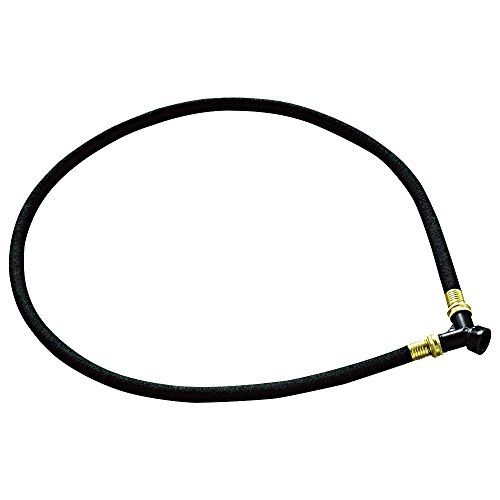
Shrub and tree soaking hose
Urban Peach Tree Pest Control Strategies
Managing pests is crucial for ensuring the health and productivity of peach trees grown in pots, especially in an urban environment like Chicago. With limited space and unique challenges, effective pest control strategies can help protect your trees from common threats while maximizing your patio harvest. Understanding these methods will empower you to maintain vibrant and fruitful peach trees in your urban garden.
Urban environments can expose your peach tree to various pests and diseases. Monitor for these common issues:
Peach Leaf Curl: A fungal disease that causes distorted leaves. Treat with fungicides in early spring.
Aphids: Small insects that can sap tree vitality. Use insecticidal soap for control.
Spider Mites: Look for fine webbing on leaves. Increase humidity or apply miticides.
| Pest/Disease | Symptoms | Treatment |
|---|---|---|
| Peach Leaf Curl | Distorted leaves | Fungicide in spring |
| Aphids | Wilting, sticky residue | Insecticidal soap |
| Spider Mites | Webbing on leaves | Increase humidity |
Optimal Peach Harvest Timing
Understanding the optimal timing for harvesting peaches is crucial for urban gardeners in Chicago. This section delves into the specific indicators that signal when your potted peach trees are ready for harvest, ensuring you enjoy the best flavor and quality from your homegrown fruit. Timing can vary based on local climate conditions, so being aware of these factors is essential.
Timing your harvest is critical for optimal flavor and texture. Follow these steps:
Color Check: Look for a rich golden color on the fruit.
Firmness Test: Gently squeeze the peach. It should yield slightly under pressure.
Timing: Harvest typically occurs in late summer, depending on the variety.
Key Factors for Urban Peach Tree Success
Growing peach trees in pots can be a rewarding endeavor, especially in urban settings like Chicago. However, several key factors influence their success, from selecting the right variety to managing soil and sunlight conditions. Understanding these elements will help ensure a fruitful harvest even in limited spaces.
Urban gardening presents unique challenges and opportunities. Consider these factors:
Space Limitations: Maximize your patio space by using vertical gardening techniques.
Pollination Needs: While many varieties are self-pollinating, planting multiple trees can improve fruit yield.
Local Regulations: Check local guidelines regarding urban gardening to ensure compliance.
Growing peach trees in pots in Chicago is a rewarding endeavor that can yield delicious results. Following these guidelines will help you cultivate a thriving urban garden.
