

Have you ever looked out at your fruit trees only to find them stripped bare by pesky squirrels? You’re not alone. Many gardeners face this frustrating challenge, watching their hard work vanish in a matter of days.
Key Takeaways
- Understanding Squirrel Behavior: Recognize that squirrels are instinctively driven to forage for fruit, particularly during ripening seasons when they seek high-sugar options for hydration and energy.
- Targeted Tree Protection: Focus on vulnerable fruit trees like apple, peach, cherry, and pear trees to effectively implement preventative measures against squirrel raids.
- Effective Prevention Techniques: Utilize physical barriers such as netting and tree guards, alongside natural and commercial repellents, to deter squirrels from accessing fruit trees.
- Regular Maintenance Practices: Ensure proper nutrition and health of fruit trees while promptly harvesting ripe fruit and clearing fallen produce to minimize temptation for squirrels.
- Encouraging Natural Predators: Attract birds and utilize cats or dogs in your garden to create a balanced ecosystem that naturally deters squirrel activity around your fruit trees.
- Monitoring and Adjusting Strategies: Consistently check traps, evaluate the effectiveness of chosen deterrents, and make necessary adjustments to maintain control over squirrel populations.
Understanding Squirrel Behavior
Squirrels often raid fruit trees, driven by their instinct to gather food. Recognizing their behavior can help you devise strategies to protect your harvest.
Why Squirrels Eat Fruit
Squirrels seek fruit primarily for its high sugar content and easy accessibility. They store food in caches, relying on seasonal bounty. When fruit ripens, their instincts push them to forage aggressively to ensure they have enough sustenance during lean months. They may also eat fruit for its hydration benefits, especially in warm weather.
Common Fruit Trees Affected
Certain fruit trees attract squirrels more than others. Popular targets include:
- Apple Trees: Ripe apples often become easy pickings.
- Peach Trees: Squirrels enjoy the sweet flesh and juicy interior.
- Cherry Trees: Cherries are a favorite due to their high sugar content.
- Pear Trees: Soft pears provide a quick snack for squirrels.
- Nut Trees: While not fruit trees, walnut and pecan trees also draw them in.
Understanding which trees attract squirrels enables you to take targeted action. Protecting your fruit trees becomes easier when you know their preferred targets.
Effective Prevention Methods
To protect your fruit trees from squirrels, consider implementing multiple strategies. Combining these methods increases effectiveness and ensures your harvest remains safe.
Recommended Products
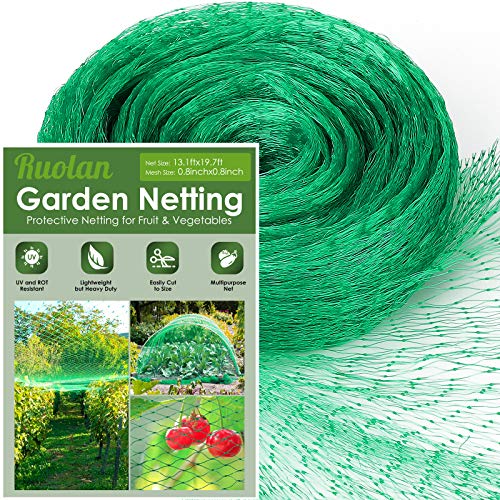
【Perfect size】(Garden Netting size 13ftX20ft, Mesh Size 0.8inchX0.8inch), Protect fruit tree plant blueberry strawberry from animals

✅【Premium Heavy-Duty Material for Long-Lasting Protection】 VITI Fruit Trees Netting Crafted from reinforced polyethylene with UV-resistant coating, this netting is designed to withstand harsh weather conditions, including sun exposure, rain, and wind, without tearing or degrading over time. Unlike flimsy alternatives, its tear-resistant structure ensures multi-season use, saving you replacement costs.
Physical Barriers
- Netting: Cover your fruit trees with bird netting. This physical barrier keeps squirrels away while allowing sunlight and rain to nourish the trees. Ensure the netting is secure to prevent squirrels from finding entry points.
- Tree Guards: Install tree guards around the trunks of your trees. Use metal or plastic guards that extend 3-4 feet up the trunk. These prevent squirrels from climbing the trees to reach the fruit.
- Raised Beds: Plant your trees in raised beds, if possible. This makes it harder for squirrels to access the lower branches where fruit is vulnerable.
Repellents
- Spicy Sprays: Create a homemade repellent by mixing water with cayenne pepper or hot sauce. Spray this solution on the fruit and surrounding area. Squirrels dislike spicy flavors, making your trees less appealing.
- Commercial Repellents: Use commercially available animal repellents specifically designed for squirrels. Apply these according to the package instructions and reapply after rainfall.
- Strong Scents: Plant herbs with strong scents, like mint or rosemary, around your fruit trees. These natural repellents can discourage squirrels from approaching your trees.
- Live Traps: Set live traps near your fruit trees to catch squirrels without harming them. Use bait such as peanut butter or sunflower seeds. Once caught, relocate the squirrels at least 5 miles away from your property.
- Snap Traps: If you’re looking for a more immediate solution, snap traps can eliminate squirrels quickly. Ensure traps are placed in areas frequented by squirrels, but monitor them closely to comply with local laws regarding animal control.
- Monitoring and Adjusting: Regularly check traps and adjust the placement if needed. Keeping an eye on the effectiveness of your chosen method helps maintain control over the squirrel population.
Maintenance Tips for Fruit Trees
Taking care of your fruit trees involves consistent maintenance to keep them healthy and less appealing to squirrels.
Recommended Products

HDPE Material for Outdoor Garden Use: Made from high-density polyethylene (HDPE), RIFNY garden bird netting is designed for outdoor plant protection and repeated seasonal use. The flexible mesh is suitable for backyard gardeners, vegetable gardens, raised beds, fruit trees, blueberry bushes, flower gardens, and orchards. The black netting provides a practical barrier for protecting plants while maintaining airflow and sunlight

Size: Deer netting size 7 feet x 100 feet; garden netting mesh size 3/4"; color: black; Easy to use accessories included: 10pcs installation nails & 50pcs cable ties
Tree Health and Nutrition
Ensure your trees receive proper nutrients. Use balanced fertilizers in spring to promote growth. Water deeply and regularly, especially during dry spells. Mulching around the base of the tree helps retain moisture and suppress weeds. Healthy trees produce better fruit, making them less attractive to squirrels focused on easy meals. Regularly inspect for pests and diseases, and treat them promptly to keep the tree vigorous.
Regular Harvesting Practices
Harvest fruit promptly as it ripens. Check trees every few days during peak season; overripe fruit draws squirrels. Clear fallen fruit from the ground to eliminate temptation. If you notice squirrels becoming a problem, consider picking fruit early and letting it ripen indoors. Implementing these practices can significantly reduce the chance of squirrel damage while ensuring your harvest remains plentiful.
Natural Predators and Companions
Incorporating natural predators and companions into your garden can help reduce squirrel activity around your fruit trees. Fostering a balanced ecosystem addresses squirrel issues effectively and reduces reliance on chemical repellents.
Attracting Birds
Attracting birds to your garden can deter squirrels. Birds such as hawks, owls, and even certain songbirds prey on small rodents, including squirrels. Here are some ways to attract them:
- Install Birdhouses: Place birdhouses in trees or elevated areas to provide nesting sites.
- Use Birdfeeders: Set up feeders with seeds and nuts to draw in birds. Ensure these feeders are high enough to discourage squirrels.
- Plant Native Trees and Shrubs: Choose plants that provide food and shelter for local bird species, enhancing your garden’s bird appeal.
Utilizing Other Animals
Utilizing other animals can contribute to keeping squirrels at bay. Some animals naturally discourage squirrel presence due to their predatory nature. Consider the following options:
- Cats: If you have a friendly cat, allowing them in your garden can deter squirrels, as they instinctively hunt small animals.
- Dogs: Larger dog breeds often scare squirrels away. Keep them in your garden while you supervise, letting them roam freely.
- Rabbits: Surprisingly, introducing rabbits into your yard can also help. They create a distraction, leading squirrels to focus on competing for food rather than raiding your trees.
By integrating these natural predators and companions, you can foster a more harmonious garden environment while protecting your fruit trees from pesky squirrels.
Conclusion
Protecting your fruit trees from squirrels doesn’t have to be a daunting task. By understanding their behavior and preferences you can create a strategy that works for you. Using a combination of physical barriers repellents and maintenance tips will go a long way in safeguarding your precious harvest.
Don’t forget to keep your trees healthy and make them less appealing to these furry raiders. Incorporating natural predators into your garden can also help maintain a balanced ecosystem. With a little patience and creativity you can enjoy the fruits of your labor without sharing them with squirrels. Happy gardening!
Frequently Asked Questions
Why do squirrels strip fruit trees bare?
Squirrels strip fruit trees bare primarily due to their instinct to gather food. They are attracted to fruits for their high sugar content and hydration benefits, particularly during warm weather. This behavior can be frustrating for gardeners who put effort into growing their produce.
Which fruit trees are most commonly targeted by squirrels?
Squirrels often target fruit trees like apple, peach, cherry, and pear trees. They are also drawn to nut trees, such as walnuts and pecans. Knowing which trees attract squirrels can help gardeners develop effective protection strategies.
What are some effective ways to protect fruit trees from squirrels?
To protect fruit trees, gardeners can use physical barriers like bird netting and tree guards. Additionally, applying repellents, such as homemade spicy sprays or commercial animal repellents, can deter squirrels. Trapping methods, both humane and immediate, can also control their population.
How can I keep my fruit trees healthy to deter squirrels?
Healthy trees are less appealing to squirrels. Regularly fertilize with balanced nutrients, deep water, and mulch to retain moisture. Promptly harvesting ripe fruit and clearing fallen fruit reduces temptation and helps maintain tree health.
Can natural predators help reduce squirrel activity in my garden?
Yes, attracting natural predators like hawks and owls can help deter squirrels. Installing birdhouses, using feeders, and planting native shrubs can create an environment that encourages these birds. Additionally, larger pets like cats and dogs can scare squirrels away.
