

Growing peach trees in Arizona is possible with the right techniques and heat-tolerant varieties. Selecting the correct rootstock and implementing proper care can lead to successful fruit production even in high temperatures.
Heat-Tolerant Peach Tree Selections
When considering peach trees for Arizona’s unique climate, selecting heat-tolerant varieties is essential for successful growth and fruit production. These selections not only withstand high temperatures but also thrive in the arid conditions, ensuring a fruitful harvest. Understanding the best options available can significantly enhance your gardening experience in this challenging environment.
Selecting the appropriate peach tree variety is crucial for thriving in Arizona’s climate. Look for heat-tolerant varieties that can withstand extreme temperatures. Some recommended options include:
Desert Gold: Early ripening and drought-resistant.
Tropic Beauty: Produces sweet, juicy fruit and adapts well to heat.
Flameprince: Known for its excellent flavor and disease resistance.
These varieties are specifically bred to handle the unique challenges of Arizona’s environment.
Soil Quality and Irrigation Strategies
Understanding the soil quality and effective irrigation strategies is crucial for successfully growing peach trees in Arizona’s challenging climate. The region’s unique conditions require careful attention to soil composition and moisture management to ensure healthy tree development and fruit production. This section delves into the best practices for optimizing soil and irrigation for peach cultivation in arid environments.
Soil quality and watering practices significantly impact the health of peach trees. Arizona’s arid conditions require careful management to ensure trees receive adequate nutrients and moisture.
Soil Type: Well-draining sandy or loamy soil is ideal. Avoid heavy clay.
Watering Schedule: Implement deep watering once a week during the growing season. Adjust frequency based on rainfall.
| Soil Type | Watering Frequency | Nutrient Needs |
|---|---|---|
| Sandy | Weekly | Moderate |
| Loamy | Weekly | High |
| Clay | Bi-weekly | High |
Proper soil and water management will enhance growth and fruit quality.
Recommended Products
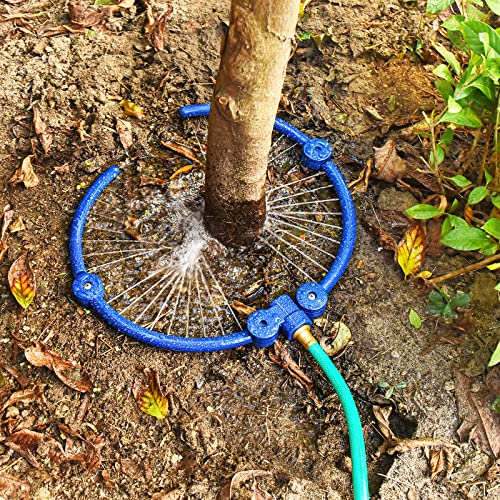
【Specially Designed for Trees and Shrubs】 The Watering Ring is a multi-purpose irrigation ring that attaches to a garden hose to efficiently water young trees shrubs vegetables or flower beds using drip or trickle irrigation.It directs water to the root perimeter of the plant to give them a good start during the first two growing seasons or through periods of drought.

NO MORE HARD INSTALLATION - SET UP IN MINUTES. Tired of struggling with stiff barbed fittings? This drip irrigation system features quick-connect fittings that let you push, lock, and secure tubing effortlessly. No tools, no leaks, just a smooth setup experience. Enjoy a frustration-free installation and get your garden watering system running in minutes.

Automatic Drip Irrigation System Kit: The universal connector adapts to different tubing sizes with a secure, leak-free fit; the dual-channel connector splits a single line into two separate watering paths for multi-zone irrigation. The garden bed watering system includes 100FT 1/4" Water Pipe, Cable Ties x 24, Universal Connector x 1, Dual Channel Connector x 1, Quick Tees x 24, Sealing Tape x 1, Fixing Clips x 24, End Plus x 4, and Brass Nozzles x 24. Simply unbox and start building automatic misting system.
Mulching Strategies for Peach Tree Health
Mulching is a crucial practice for maintaining the health of peach trees in Arizona’s hot climate. By regulating soil temperature, conserving moisture, and suppressing weeds, effective mulching strategies can significantly enhance the growth and productivity of these trees. Understanding the right materials and techniques is essential for successful peach cultivation in arid conditions.
Mulching around peach trees can help retain moisture and regulate soil temperature. Use organic materials like wood chips or straw to create a protective layer.
Benefits of Mulching:
Reduces evaporation
Suppresses weeds
Adds nutrients as it decomposes
Apply a 3-4 inch layer of mulch, keeping it away from the trunk to prevent rot.
Recommended Products

Natural Cedar; Use with your outdoor and indoor plants; will hold moisture in! THIS IS A 4 QUART SIZE OF CEDAR CHIPS

PREMIUM RED MULCH: Vibrant red wood chip mulch colored with non-toxic dye that is safe for soil, pets, and plants, enhancing the visual appeal of gardens and landscapes

BEAUTIFUL SOIL COVERING - Add visual consistency to your indoor potted plant garden with house plant mulch - Mulch chips are longer lasting than coconut coir or shavings
Balanced Fertilizer for Peach Trees
To successfully cultivate peach trees in Arizona’s challenging climate, understanding the role of balanced fertilizers is essential. These fertilizers provide the necessary nutrients to support healthy growth and fruit production, ensuring that trees thrive despite the heat. Implementing the right fertilization strategy can significantly enhance the resilience and yield of peach trees in this region.
Regular fertilization is essential for healthy peach trees. Use a balanced fertilizer that contains nitrogen, phosphorus, and potassium.
Timing: Fertilize in early spring before new growth begins.
Application: Follow the manufacturer’s instructions for dosage.
Over-fertilizing can lead to excessive foliage growth at the expense of fruit production.
Pest Control Strategies for Arizona Peach Trees
Managing pests is crucial for the health of peach trees in Arizona’s unique climate. Given the state’s heat and specific pest challenges, effective strategies are essential for protecting your trees and ensuring a fruitful harvest. This section explores practical pest control methods tailored for Arizona’s peach growers.
Pest and disease management is vital for maintaining healthy peach trees. Common issues in Arizona include:
Peach Leaf Curl: A fungal disease that can be prevented by applying a fungicide in late winter.
Spider Mites: These pests thrive in hot, dry conditions. Use insecticidal soap or neem oil for control.
Regular monitoring and timely interventions will protect your trees and ensure a bountiful harvest.
Seasonal Adaptations for Arizona Peach Trees
Growing peach trees in Arizona presents unique challenges due to the region’s extreme heat and variable climate. Understanding seasonal adaptations is crucial for successful cultivation, as these strategies can help ensure healthy growth and fruit production. By implementing specific techniques tailored to Arizona’s conditions, gardeners can enhance their chances of thriving peach trees.
Understanding seasonal changes in Arizona helps in preparing peach trees for extreme weather.
Summer Heat: Provide shade cloth during the hottest months to prevent sunburn.
Winter Chill: Select varieties that require fewer chilling hours to ensure fruit set.
Adapting to seasonal variations will enhance tree resilience and fruit production.
Peach Harvest Timing for Optimal Flavor
Understanding the timing of peach harvest is crucial for maximizing flavor, especially in Arizona’s unique climate. This section delves into the best practices for determining when to pick peaches, ensuring that you enjoy the sweetest and juiciest fruit possible. With the right knowledge, you can make the most of your peach trees and their delicious yield.
Harvesting peach trees at the right time is essential for optimal flavor and texture.
Signs of Ripeness: Look for a slight give when gently squeezed and a rich color.
Harvesting Method: Use pruning shears to cut the fruit from the tree, avoiding damage to the branches.
Proper harvesting techniques will improve the overall quality of your peaches.
Heat-Tolerant Strategies for Peach Cultivation
Growing peach trees in Arizona presents unique challenges due to the region’s intense heat. However, with the right strategies, it is possible to cultivate these delicious fruits successfully. This section explores effective heat-tolerant techniques that can help ensure healthy peach trees thrive in the arid climate.
Growing peach trees in Arizona is achievable with the right approach. Focus on selecting heat-tolerant varieties, managing soil and water needs, and implementing effective pest control measures.
Regular care and attention will lead to a fruitful harvest.
