

Have you ever dreamed of picking fresh fruit from your own backyard? If so, you might be wondering which fruit tree gives you the quickest harvest. Knowing this can save you time and get you enjoying homegrown produce sooner than you think.
Imagine planting a tree and just a year or two later, savoring delicious fruits right from your garden. This article will guide you through the fastest producing fruit trees, helping you choose the right one for your space. Whether you’re a seasoned gardener or just starting out, you’ll find valuable tips to make your fruit-growing journey a success.
Key Takeaways
- Fast-Producing Options: Dwarf varieties, fig trees, peach trees, plum trees, and mulberry trees are among the fastest producing fruit trees, with some bearing fruit within 1 to 2 years of planting.
- Optimal Conditions: Successful fruit production requires full sunlight for 6 to 8 hours daily, well-draining soil, consistent moisture, and balanced fertilization.
- Pollination Considerations: Some fruit trees, like apple and pear varieties, require cross-pollination for optimal yields, so it’s crucial to plant compatible varieties nearby.
- Care Requirements: Regular maintenance such as pruning, watering, and pest control is essential to enhance growth and fruit production in your fruit trees.
- Climate Compatibility: Select fruit tree varieties that match your local climate and hardiness zone for better growth rates and successful yields.
- Space Management: When planting, consider the mature size of the tree to avoid overcrowding, ensuring healthy growth and fruit production.
Overview of Fast-Producing Fruit Trees
Fast-producing fruit trees offer an excellent option for those who want quick rewards from their gardening efforts. Certain trees can produce fruit within a year or two of planting, making them suitable for small spaces and beginner gardeners.
Recommended Products
![Greenwood Nursery: Live Trees - Fignomenal Dwarf Fig Tree + Ficus carica - [Qty: 1x 3.5 Pot] - (Click for Other Available Plants/Quantities)](https://m.media-amazon.com/images/I/41C7KMkYq+L._SL500_.jpg)
🌿 [INFO1] - Finally a compact dwarf fig that is perfect for growing in a container outdoors during summer & can be moved indoors for cooler seasons. Growing only up to 30 inches tall (& equal in spread), the dwarf compact Fignomenal fig tree is a self-fertilizer, & can flower & fig throughout the year - indoors or out you can harvest your figs. The deliciously sweet fruit makes up for the smaller size.

MATURE SIZE & CARE GUIDE: The Beer's Black Fig Tree (Dwarf Habit) is a compact variety that reaches a mature height of 12 to 20 feet, making it suitable for smaller spaces and container gardening in USDA Zones 6-10. Thriving in well-drained soil and full sun to partial shade, it requires minimal maintenance.

🌳 3-Pack Fruit Tree Bundle Includes live apple, apricot, and pear trees—perfectly paired for a diverse and productive backyard orchard.
Top Fast-Producing Fruit Trees
- Dwarf Varieties
Dwarf fruit trees grow compactly and start producing fruit in as little as 1 to 2 years. Varieties like ‘Pineapple Pear’ and ‘Carmine Jewel Cherry’ thrive in limited spaces and deliver tasty yields quickly. - Fig Trees
Fig trees, particularly the ‘Brown Turkey’ and ‘Celeste,’ often bear fruit within 2 years. Their adaptability to various climates and ease of care make them a popular choice among gardeners. - Peach Trees
Certain peach varieties, such as ‘Elberta’ and ‘Redhaven,’ typically produce fruit within 3 years. These trees require sunny environments to thrive and reward your efforts with delicious, juicy peaches. - Plum Trees
Plums, particularly the ‘Santa Rosa’ variety, deliver a bountiful crop within 3 to 4 years. These trees adapt well to different soil types and offer a flavorful addition to your garden. - Mulberry Trees
Mulberry trees, like ‘Illinois Everbearing,’ yield fruit within 1 to 2 years. Their prolific nature and minimal care requirements make them an excellent choice for fast results.
Conditions for Success
- Sunlight
Most fruit trees need full sunlight for 6 to 8 hours daily to produce effectively. Select planting sites that receive adequate light throughout the day. - Soil Quality
Well-draining soil promotes healthy root development and fruit production. Consider adding organic matter like compost to improve soil quality before planting. - Regular Watering
Consistent moisture supports growth and fruit set. Water newly planted trees regularly, particularly during dry spells or hot weather. - Fertilizing
Implement a balanced fertilizer regimen in early spring to promote healthy growth and fruiting. Follow package instructions carefully for the best results.
- Pollination Needs
Some fruit trees require cross-pollination for optimal fruit yield. Research the pollination requirements of your chosen varieties to ensure bountiful crops. - Location and Space
Ensure your chosen tree fits comfortably in your garden space. Consider their height and spread at maturity to avoid overcrowding.
Planting fast-producing fruit trees enhances your garden’s productivity and enjoyment. By selecting the right varieties and providing proper care, you can savor the taste of homegrown fruit in no time.
Factors That Influence Fruit Production
Several factors influence how quickly fruit trees produce fruit. Understanding these can help you choose the best trees for your garden and ensure bountiful yields.
Environmental Conditions
Environmental conditions play a crucial role in fruit production. Key aspects include:
- Sunlight: Fruit trees thrive in full sun. Aim for at least 6 to 8 hours of direct sunlight daily.
- Soil Type: Well-draining soil enhances root health. Loamy or sandy soils work best. Test your soil’s pH; most fruit trees prefer a pH between 6.0 and 7.0.
- Climate: Hardiness zones affect tree selection. Check local climate conditions to choose trees suited to your region.
- Water Availability: Consistent moisture supports healthy fruit development. Water deeply during dry spells but avoid waterlogging.
Tree Care and Maintenance
Proper care and maintenance are essential for optimizing fruit yields. Consider these practices:
- Pruning: Regular pruning boosts air circulation and sunlight penetration. Focus on removing dead or crossing branches to encourage new growth.
- Fertilization: Use balanced fertilizers for nutrient support. Apply according to specific tree needs, typically in early spring.
- Pest Control: Monitor for pests and diseases. Use organic pesticides or beneficial insects to protect your trees.
- Mulching: Apply mulch around the base to retain moisture and suppress weeds. Organic mulches enrich soil as they decompose.
By focusing on these factors, you can create an environment that nurtures your fruit trees, resulting in quicker and more abundant fruit production.
Top Fast-Producing Fruit Trees
Fast-producing fruit trees provide rewarding results in a short time. Selecting the right variety ensures you enjoy homegrown fruit quickly.
Recommended Products
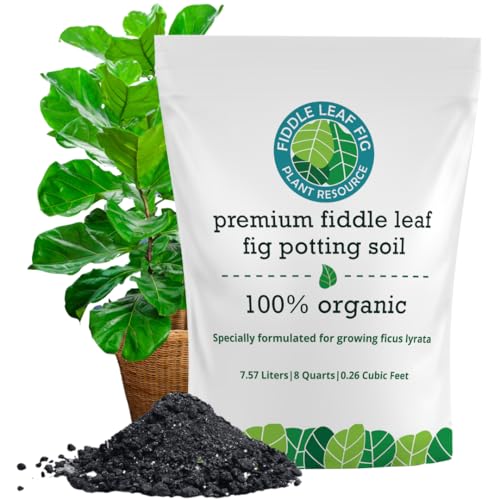
🌱 100% ORGANIC, NUTRIENT-RICH BLEND FOR FASTER GROWTH Specially formulated for fiddle leaf figs and other indoor trees, this premium chunky, airy mix uses aged bark, green compost, and biochar to nourish plants naturally without chemical buildup—helping prevent common issues like brown spots, yellow leaves, and leaf drop.
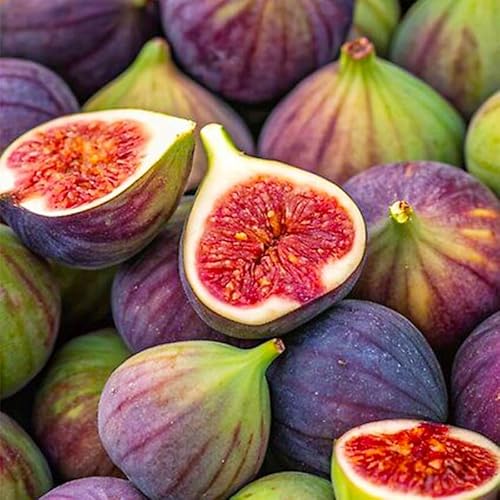
The fruit is sweet and juicy, ideal for fresh eating. Harvested figs can be used to make homemade jams, preserves, or as an ingredient in desserts.

Down to Earth Fruit Tree is a five pound box of all natural fertilizer with 6-2-4 formula and is listed by the Organic Materials Review Institute (OMRI) for use in organic production
Peach Trees
Peach trees, like ‘Elberta’ and ‘Redhaven,’ produce fruit within 3 to 4 years. These trees thrive in warm climates with plenty of sunlight. Regular pruning encourages healthy growth and better yields. For optimal results, plant these trees in well-draining soil and water them consistently.
Apple Trees
Apple trees, especially ‘Honeycrisp’ and ‘Fuji,’ yield fruit in 3 to 5 years. These trees adapt to various climates and soil types. Choose disease-resistant varieties for easier management. Thin fruit clusters in spring to enhance airflow, promoting healthier apples. Ensure pollination by planting multiple varieties or using compatible trees nearby.
Fig Trees
Fig trees, such as ‘Brown Turkey’ and ‘Celeste,’ produce fruit within 1 to 2 years. They prefer warm, sunny locations and can tolerate poor soil conditions. Prune fig trees annually to promote air circulation and encourage fruit development. Watch for pests and treat your trees promptly to maintain good health and production.
Pear Trees
Pear trees, including ‘Bartlett’ and ‘Bosc,’ begin to bear fruit in 3 to 5 years. These trees thrive in well-draining soil and full sunlight. Like apple trees, some varieties require cross-pollination, so plant at least two different types for better yields. Regular thinning of fruit helps improve size and quality.
Comparing Growth Rates
Understanding growth rates provides insight into which fruit trees yield fruit the quickest. Here are some key examples and comparisons of fast-producing trees:
Recommended Products

🍇 Sweet, Flavorful Figs – Rich taste with dark purple skin and red interior.

Attention: California and Arizona residents cannot order this item due to state restrictions.

Supports Strong Growth & Fruit Development - Helps promote vigorous branches, healthy foliage, and improved fig production.
Dwarf Trees
- Pineapple Pear: Begins producing fruit in 2 to 3 years. Offers unique flavor and compact growth.
- Carmine Jewel Cherry: Yields cherries in about 3 years. Known for its rich color and hardiness.
Fig Trees
- Brown Turkey: Produces in 1 to 2 years. Its sweet figs are popular for fresh eating.
- Celeste: Bears fruit within 1 to 2 years. Notable for its exquisite flavor and smaller growth habit.
Peach Trees
- Elberta: Fruits in 3 to 4 years. Popular for canning and fresh eating.
- Redhaven: Also produces in 3 to 4 years. Offers excellent flavor and is resistant to diseases.
Plum Trees
- Santa Rosa: Begins to bear fruit within 3 to 5 years. Known for its juicy and delicious plums.
Mulberry Trees
- Illinois Everbearing: Yields fruit in just 1 to 2 years. Produces an abundance of sweet berries.
Apple Trees
- Honeycrisp: Takes 3 to 5 years to fruit. Renowned for its crisp texture and balanced flavor.
- Fuji: Produces in approximately 3 to 5 years. Great for fresh eating and baking.
Growth Factors
Several factors contribute to the growth rate of these trees:
- Climate: Ensure your tree’s species matches your local climate.
- Soil Quality: Well-draining soil enhances growth speed.
- Water Availability: Consistent watering supports quicker fruit production.
- Choose the Right Variety: Select trees suited to your area and space.
- Plant Properly: Ensure adequate sunlight and distance from other plants.
- Regular Maintenance: Perform pruning and pest control as needed to support healthy growth.
By understanding growth rates, you can make informed decisions, leading to fruitful harvests sooner rather than later.
Conclusion
Choosing the right fast-producing fruit tree can transform your backyard into a fruitful paradise in no time. With options like figs peaches and dwarf varieties you can enjoy fresh fruit sooner than you think.
Remember to pay attention to the specific needs of your chosen tree including sunlight soil and water. Proper care and maintenance will make a big difference in how quickly you see those delicious results.
So go ahead and pick a tree that excites you and get ready to savor the joy of homegrown fruit in just a couple of years. Happy gardening!
Frequently Asked Questions
What are the fastest-growing fruit trees for home gardens?
Fast-growing fruit trees include dwarf varieties like ‘Pineapple Pear’ and ‘Carmine Jewel Cherry,’ which typically produce fruit in 2 to 3 years. Other options are fig trees like ‘Brown Turkey’ and ‘Celeste,’ yielding within 1 to 2 years, and peach trees like ‘Elberta’ and ‘Redhaven,’ which bear fruit in 3 to 4 years.
How can I ensure my fruit trees produce fruit quickly?
To promote faster fruit production, ensure your trees get full sunlight, are planted in well-draining soil, and receive regular watering and fertilization. Understanding the pollination needs of your chosen varieties and maintaining adequate space for growth are also crucial for optimal yields.
What are essential care tips for fast-producing fruit trees?
Key care tips include regular watering, proper fertilization, pruning, and pest control. Mulching can protect the roots and maintain soil moisture. By paying attention to these practices, you can enhance growth rates and ensure fruitful harvests.
Can I grow fruit trees in a small backyard?
Yes, many fast-producing fruit trees, especially dwarf varieties, are suitable for small spaces. Trees like ‘Carmine Jewel Cherry’ and ‘Pineapple Pear’ are ideal for confined areas while still yielding fruit quickly, making them perfect for small backyards.
How does climate affect fruit tree production?
Climate influences growth and fruit production significantly. Providing the right growing conditions, such as sufficient sunlight, appropriate temperatures, and water availability, is essential. Research the specific needs of the tree varieties you’re interested in to ensure successful growth in your local climate.
When should I expect my fruit trees to bear fruit?
The time frame for fruit trees to produce varies by species. Fig trees like ‘Brown Turkey’ produce in 1 to 2 years, while dwarf peach trees might take 3 to 4 years. Research the specific type you plan to grow for a more accurate timeline.
Do I need multiple trees for pollination?
Some fruit trees require cross-pollination for fruit production, while others are self-pollinating. It’s important to check the pollination needs of the specific varieties you choose. If cross-pollination is required, plant at least two compatible trees for best results.
What soil conditions are best for fruit trees?
Fruit trees thrive in well-draining soil rich in organic matter. Ideally, the soil pH should be slightly acidic to neutral (between 6.0 and 7.0). Regularly amend the soil with compost to improve its structure and nutrient level for optimal growth.
