

Ever wondered if you could grow your own honeydew melons from the fruit you buy at the store? Picture this: You’re enjoying a juicy slice of honeydew on a hot summer day, and suddenly the thought crosses your mind – “Can I plant these seeds and grow my own sweet melons?” The good news is, you can!
Key Takeaways
- You can grow honeydew melons from store-bought fruit by planting the viable seeds found inside the melon.
- Select high-quality seeds from ripe, healthy fruits with vibrant flesh for better germination rates.
- Plant the seeds in well-draining soil with adequate sunlight and moisture to ensure successful germination.
- Choose a planting area with warm temperatures between 70-90°F (21-32°C) and ample sunlight for optimal growth.
- Start planting honeydew melon seeds after the last frost date when the soil temperature reaches around 70°F (21°C) for best results.
- To troubleshoot common growth issues, use natural predators, companion planting, neem oil spray for pests, and hand-pollination, nutrient boost for poor fruit development.
Understanding Honeydew Melon Propagation
Wondering if you can grow honeydew melons from the fruit you bought? It’s a common question for those who enjoy this sweet treat. Let’s explore the process and key factors involved in seed selection and germination.
Can You Grow Honeydew Melons From the Fruit?
Yes, you can grow honeydew melons from store-bought fruit! When you indulge in a delicious slice of honeydew, don’t discard those seeds. They hold the potential to yield your very own crop of sweet and juicy melons. The seeds inside a honeydew melon are viable for planting, giving you the opportunity to try your hand at growing these delectable fruits at home.
Key Factors in Seed Selection and Germination
Selecting high-quality seeds is crucial for successful honeydew melon propagation. Opt for seeds from ripe, healthy fruits with vibrant flesh to ensure better germination rates. When planting the seeds, make sure they are placed in well-draining soil with adequate sunlight and moisture. Providing consistent care during the germination process by keeping the soil moist but not waterlogged will aid in sprouting healthy seedlings ready to thrive into mature plants that bear delicious honeydew melons.
Preparing to Plant Honeydew Melon Seeds
To successfully grow honeydew melons from store-bought fruit, you need to start by preparing the seeds for planting. Here’s how you can get ready:
Recommended Products

Beautiful - Large individual packet of Green Honeydew Melon (Cucumis melo) seeds. Grow an abundant harvest of sweet melons. Each plant grows vigorously and produces 2-4 melons. Minimum of 1.5g per packet (about 50 seeds).

12-LED GROW LIGHT PER TRAY — Each of the five seed starting trays features a full-spectrum grow light with 12 LED beads, providing supplemental light for indoor seedlings.

Graphene Seed Heat Mat for Faster Germination: Compared to traditional electric heating mats, our graphene heat mat heats up faster and more evenly, with a built-in timer for convenience. It creates the ideal environment for indoor seed starting trays, greenhouse seed germination, and hydroponic plant propagation. Designed for indoor gardening, this waterproof and reusable heat mat accelerates growth and improves seedling survival rates.
Proper Soil and Climate Conditions
Choose a well-draining soil that is rich in nutrients for your honeydew melon seeds. Sandy loam or loamy soil works best as it allows water to flow through but retains enough moisture for the seeds to germinate. Ensure the soil pH is around 6.0-6.5, slightly acidic, which is ideal for honeydew melons.
When it comes to climate conditions, honeydew melons thrive in warm temperatures between 70-90°F (21-32°C). Make sure your planting area receives plenty of sunlight, at least 6-8 hours per day, for optimal growth. If you live in a cooler climate, consider starting your seeds indoors before transplanting them outside once the weather warms up.
The Best Time to Plant
The best time to plant honeydew melon seeds is after the last frost date in your region when the soil temperature reaches around 70°F (21°C). This typically falls in late spring or early summer, depending on where you live. By planting at the right time, you give your seeds the best chance to germinate and grow into healthy plants that will yield delicious honeydew melons.
By following these steps and ensuring your soil and climate conditions are suitable, you’ll be on your way to successfully planting honeydew melon seeds and enjoying a bountiful harvest of sweet and juicy fruits.
Steps to Grow Honeydew Melons From Seeds
To successfully grow honeydew melons from seeds, follow these steps:
Recommended Products
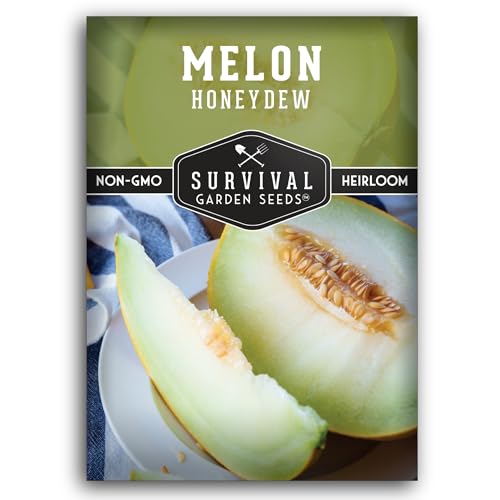
REFRESHINGLY SWEET MELONS – Classic honeydew flavor with smooth light green flesh that’s juicy and fragrant for sweet summer enjoyment straight from your own home garden vines

HEIRLOOM MELON SEED VARIETY PACK – Honey Rock and Hales Best cantaloupe (Cucumis melo var. cantalupensis), honeydew (C. melo var. inodorus), plus Yellow Petite, Tendersweet Orange, and Georgia Rattlesnake watermelon (Citrullus lanatus)

High Germination Rate: cucamelons seeds sprout in 10-14 days at 70 °F, Full sun, Start inside 4 weeks before last frost or outdoors in warm soil. Sow 1/4" deep, space 9-12" apart – perfect climbing cucumber seeds for patio or vegetable garden.
Planting the Seeds
Select a sunny location in your garden with well-draining soil. Ensure the soil is rich in nutrients and has a pH level between 6.0 and 6.5, ideal for honeydew melon growth.
Plant the seeds about an inch deep into the soil, spacing them at least 2 feet apart to allow room for growth. Water gently after planting to keep the soil moist but not waterlogged.
Caring for the Growing Plants
As your honeydew melon plants start growing, provide consistent watering, ensuring that the soil remains evenly moist throughout the growing season.
Support the vines as they develop by using stakes or trellises to prevent them from sprawling on the ground. This helps promote air circulation around the plants and reduces disease risk.
Monitor your plants regularly for pests like aphids or cucumber beetles. If you notice any signs of infestation, take prompt action using organic pest control methods to protect your honeydew melon crop.
Troubleshooting Common Growth Issues
If you encounter problems while growing honeydew melons, here are some practical tips to help you overcome them:
Recommended Products

PLANT DISEASE CONTROL: Natria Neem Oil acts as an insecticide and fungicide in one convenient spray; Ready-to-use trigger sprayer requires no mixing

NEEM OIL SPRAY FOR PLANTS – A fast-acting, multipurpose neem spray designed for indoor plants, houseplants, and garden use. This ready-to-use plant spray combines cold-pressed neem oil with a balanced botanical blend to solve common plant care issues while supporting healthy, resilient leaves.

Dealing With Pests and Diseases
To protect your honeydew melon plants from pests like aphids or cucumber beetles, consider implementing these strategies:
- Natural Predators: Encourage beneficial insects like ladybugs or lacewings that feed on common garden pests.
- Companion Planting: Planting marigolds or nasturtiums near your honeydew melons can deter pests due to their strong scents.
- Neem Oil Spray: Use a neem oil solution as an organic pesticide to control aphids and other harmful insects.
Addressing Poor Fruit Development
If you notice issues with the fruit development of your honeydew melons, try the following remedies:
- Pollination Assistance: Hand-pollinate flowers using a small brush to ensure proper fruit set if pollinators are scarce in your area.
- Nutrient Boost: Apply a balanced fertilizer high in potassium to promote healthy fruit growth and sweetness.
By implementing these solutions, you can troubleshoot common growth issues and improve the overall success of your honeydew melon harvest.
Conclusion
Growing honeydew melons from store-bought fruit is a rewarding experience that can yield delicious results. By carefully selecting ripe, healthy seeds and providing optimal growing conditions, you can increase your chances of a successful harvest. Remember to plant in sunny spots, use well-draining soil, and monitor watering regularly. Addressing common growth challenges with natural solutions like companion planting and pest control methods can help ensure your melon plants thrive. With patience and attention to detail, you’ll soon be enjoying sweet, juicy honeydew melons straight from your own garden. Happy gardening!
Frequently Asked Questions
Can I grow honeydew melons from store-bought fruit seeds?
Yes, you can grow honeydew melons from store-bought fruit seeds. Select ripe, healthy fruits for better germination rates.
What should I consider when preparing honeydew melon seeds for planting?
When preparing honeydew melon seeds for planting, focus on selecting suitable soil, providing proper climate conditions, and ensuring adequate care during growth.
Where should I plant honeydew melon seeds?
Plant honeydew melon seeds in sunny locations with well-draining soil. Ensure proper spacing, watering, and implement pest control measures.
How can I troubleshoot common growth issues while growing honeydew melons?
To troubleshoot common growth issues while growing honeydew melons, use natural predators for pests, practice companion planting, and apply neem oil spray when necessary.
What are some solutions for poor fruit development in honeydew melons?
For poor fruit development in honeydew melons, consider hand-pollination and applying potassium-rich fertilizer to enhance growth and yield.
