

Have you ever wondered if you missed the perfect window to prune your fruit trees? It’s a common worry among gardeners, especially when you see those branches getting a bit unruly. Timing can make all the difference between a bountiful harvest and a disappointing yield.
Key Takeaways
- Timing is Crucial: Prune fruit trees during their dormant periods, ideally late winter to early spring, to promote healthy growth and maximize fruit yield.
- Different Trees, Different Needs: Each fruit tree variety has specific pruning times. For example, apple and pear trees thrive with winter pruning, while cherry and plum trees benefit from early spring cutting.
- Recognizing Late Pruning Risks: Pruning too late in the season can damage blooming branches, leading to lower fruit production and compromised tree health due to exposure to pests and diseases.
- Use Proper Tools and Techniques: Invest in sharp pruning shears and follow techniques that minimize tree stress, like making angled cuts and practicing thinning cuts for better air circulation.
- Avoid Common Mistakes: Refrain from over-pruning, neglecting tree structure, and using dull tools. Regularly disinfect tools to cut down on disease transmission.
- Prioritize Tree Health: Start by removing dead or diseased wood to ensure the tree focuses on healthy growth, and prune cautiously during active growth periods to safeguard overall vitality.
Understanding Fruit Tree Pruning
Pruning fruit trees involves cutting back branches to promote healthy growth and improve fruit production. Knowing when and how to prune makes a significant difference in your harvest.
Recommended Products

CLEAN CUTS FOR LIVE GROWTH: Bypass blade design is ideal for pruning delicate flower stems and green growth, helping reduce crushing and plant damage while cutting stems and small branches up to 5/8” in diameter

IDEAL BRANCH TRIMMER: 28" Steel blade garden bypass lopper that glides through up to 1.5" thick branches for easy cuts; Works well for trimming tree branches to maintain your yard and garden, and to encourage overall plant health and appearance
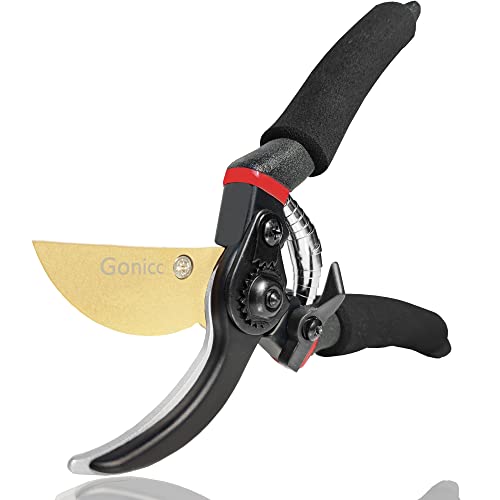
Drop-forged construction delivers exceptional durability and sturdiness for long-term heavy garden use.
Importance of Pruning
Pruning cultivates stronger trees. Removing dead or diseased branches allows for better airflow and light penetration, essential for photosynthesis. Proper pruning shapes the tree, enhancing its structural integrity. Stronger trees can withstand weather events, like heavy winds, which minimizes damage.
Benefits of Timely Pruning
Timely pruning maximizes fruit yield. Pruning during the dormancy period—late winter to early spring—prioritizes growth in the upcoming season. For example, apple and pear trees benefit greatly from winter pruning, as this encourages new growth and fruiting wood. Timely pruning also prevents overgrowth, which can lead to shading and overcrowding of branches, reducing fruit quality. Acting promptly ensures that your trees remain healthy and productive throughout their life cycle.
Pruning Seasons for Different Fruit Trees
Timing plays an essential role in pruning fruit trees. Different fruit trees benefit from various pruning seasons, ensuring optimum health and fruit production.
Recommended Products

★ 1. What you get: Professional convenient grafting tool set including a dual-use grafting pruner tool contain 2 extra replaceable blades, a wrench and a screwdriver, along with 36pcs wide rubber bands, 150 thick rubber bands and 1 grafting tape, packed in a black wallet to meet all your needs


UPGRAFE PROFESSIONAL GARDENING GRAFTING TOOLS: Professional grafting set, including 2 in 1 grafting pruning tools, 3 replaceable blades, a grafting knife, a pruning shears, a screwdriver, a wrench, 3 grafting films, and 45 colorful tag cards
Early Spring vs. Late Winter
Pruning during late winter prepares trees for the growing season ahead. This period, when trees are dormant, allows you to view their structure without leaves obstructing your view. For trees like apple and pear, aim for early spring or late winter, specifically around February to March. This timing helps shape the tree while minimizing stress.
If you miss this window, pruning in early spring still provides advantages. You can remove dead or damaged branches before they affect overall growth. Trees like cherry and plum benefit from pruning around this time, as it encourages robust growth without risking frost damage to delicate buds.
Summer Pruning Considerations
Summer pruning serves a different purpose. It’s typically done between June and August. The primary goal here is to control growth and maintain tree shape. This approach promotes better air circulation and light penetration, reducing disease risks.
You should focus on thinning out excessive growth and removing water sprouts—those soft, vertical shoots that appear on branches. Be cautious when pruning stone fruits like cherries and peaches; prune only lightly to avoid shocking the tree. A good rule is to prune only about 10-20% of the tree’s foliage during summer.
By understanding the optimal pruning seasons for different fruit trees, you can maintain healthy growth and maximize your harvest.
Signs It’s Too Late to Prune
Recognizing when it’s too late to prune your fruit trees is crucial for maintaining their health and productivity. Identify these signs to ensure your trees thrive.
Effects on Fruit Production
Late pruning can negatively impact your fruit trees. When you prune after the growing season starts, you risk cutting off blooming branches. This leads to fewer fruiting buds, resulting in a diminished harvest. For instance, if you prune apple trees in late spring, expect reduced fruit yield that year due to the loss of young blooms. Trees may also produce smaller, lower-quality fruit from unpruned branches, as excessive growth diverts energy away from fruit development.
Tree Health Risks
Pruning too late can pose serious health threats to your trees. Cutting during active growth exposes them to disease and pests. For example, if you prune stone fruits like cherries in summer, open cuts might attract bacterial infections, leading to tree decline. Additionally, late pruning can hinder the tree’s ability to heal, making it more susceptible to environmental stressors. Protect your trees by ensuring all pruning occurs within recommended timeframes to promote overall vigor and resilience.
Best Practices for Pruning Fruit Trees
Pruning fruit trees requires the right tools and techniques to ensure healthy growth and optimal fruit production. Understanding common mistakes can also help you achieve better results.
Recommended Products
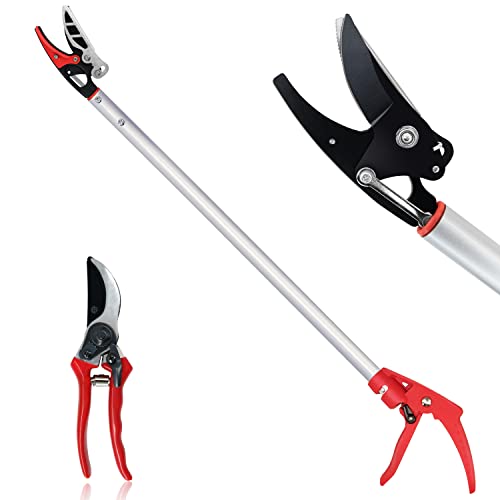
Long Handle Design: 32" handle length of the cut and hold pruners reduces back pain and stress, eliminating the need to bend over for trimming; It can also easily stretches to higher branches or thorns.

LONG-LASTING SHARPNESS: Japanese SK5 bypass blade with titanium coating is tested through 5,000 cuts to maintain a sharp edge and deliver clean, consistent cuts on live stems and branches

Tools and Techniques
- Use Sharp Pruning Shears: Sharp shears make clean cuts, reducing the risk of disease. Always disinfect your tools before and after use to prevent contamination.
- Select the Right Pruner: For small branches, hand pruners work best. For larger limbs, consider loppers or a pruning saw. Choose according to branch thickness.
- Prune at the Right Angle: When making cuts, angle your blade to promote healing. Aim for a 45-degree angle to the branch; this helps prevent water accumulation.
- Remove Dead or Diseased Wood First: Start by cutting away any dead or diseased branches. This ensures the tree prioritizes healthy growth.
- Practice Thinning Cuts: Thinning cuts remove entire branches to improve air circulation. Focus on crossing or crowded branches that diminish light access.
- Time Your Pruning: Prune during dormancy for most trees. Aim for late winter to early spring to avoid disrupting the growing season.
- Over-Pruning: Avoid removing more than 25% of a tree’s live foliage in a single session. Excess pruning can stress the tree and reduce fruit production.
- Ignoring Tree Structure: Many gardeners prune for shape without considering the tree’s natural form. Follow the tree’s growth pattern to avoid compromising its structure.
- Pruning at the Wrong Time: Late spring pruning can lead to the loss of blooms and reduced fruit yield. Stick to the recommended pruning schedule for each tree type.
- Using Dull Tools: Dull tools may crush branches rather than cut. Always maintain sharp pruning equipment to minimize damage and promote healing.
- Neglecting to Clean Tools: Failure to clean tools can introduce diseases. Regularly disinfect between trees, especially if you notice any disease symptoms.
- Forgetting Safety Precautions: Always wear gloves and protective eyewear while pruning. Use ladders safely and ensure stability when reaching high branches.
Implementing these best practices in pruning fruit trees not only promotes healthier growth and better harvests but also extends the life of your trees.
Conclusion
Pruning your fruit trees at the right time can make all the difference in your harvest. While it might feel daunting to think you’ve missed the window, remember that timely action is key. If you notice signs of overgrowth or poor health don’t hesitate to assess your trees.
You can always make adjustments to promote better growth and fruit production. By following the right practices and paying attention to your trees’ needs you’ll ensure they stay healthy and productive for years to come. So grab those pruning shears and give your trees the care they deserve. Happy gardening!
Frequently Asked Questions
What is the best time to prune fruit trees?
Pruning is best done during the dormancy period, typically from late winter to early spring. This timing helps promote healthy growth and maximum fruit yield, especially for trees like apples and pears.
How does pruning affect fruit production?
Proper pruning improves fruit production by removing dead or diseased branches, allowing better airflow and light penetration. This enhances photosynthesis, promoting stronger and healthier trees that yield more fruit.
What techniques should I use for pruning?
Use sharp pruning shears and make cuts at a 45-degree angle. Prioritize removing dead or diseased wood first, and aim to avoid cutting more than 25% of the live foliage in one session to prevent stressing the tree.
Can I prune fruit trees in summer?
Yes, summer pruning is done between June and August to control growth and maintain shape. However, be careful not to remove more than 10-20% of the tree’s foliage during this period to avoid harming the tree’s health.
What are signs I may have pruned too late?
Signs include reduced fruit yield and poor tree health. If your tree shows signs of new growth or the leaves are beginning to unfurl, it’s likely too late for effective pruning.
