

Have you ever wondered if a fig tree can have leaves without producing fruit? You’re not alone. Many gardeners and plant lovers face this puzzling situation. Fig trees are known for their lush, vibrant leaves, but when fruit doesn’t appear, it can leave you scratching your head.
In this article, you’ll explore the relationship between leaves and fruit on fig trees. Understanding this connection can help you care for your tree better and set realistic expectations for its growth. Whether you’re nurturing a fig tree in your backyard or simply curious about these fascinating plants, you’ll find valuable insights that can enhance your gardening experience.
Key Takeaways
- Fig Trees Can Have Leaves Without Fruit: It is common for fig trees, especially younger ones, to produce leaves without bearing fruit, particularly during their initial growth phase.
- Key Factors for Fruit Production: Adequate pollination, sunlight, consistent watering, favorable temperatures, and balanced nutrition are essential for fig trees to produce fruit alongside their foliage.
- Growth Phases: Fig trees go through distinct growth phases; their initial focus is often on developing robust leaves before transitioning to fruit development in later phases.
- Common Myths Debunked: Many misconceptions exist about fig trees, such as the belief that they can only have leaves when they bear fruit, which is not true.
- Care Requirements: Basic care practices like regular watering, proper pruning, and fertilization are typically sufficient for maintaining healthy fig trees and encouraging fruit growth.
- Patience Is Key: Most fig trees start producing fruit within 2 to 3 years, so patience and proper care are crucial for successful fruiting.
Understanding Fig Trees
Fig trees belong to the genus Ficus and are known for their unique characteristics. Their leaves can indeed grow without fruit, particularly during specific stages of the growth cycle.
Recommended Products

🌳Olive & Fruit Trees: 6-4-6 fertilizer for fruit trees—ideal olive tree fertilizer for potted & outdoor trees; supports healthy growth and fruiting.
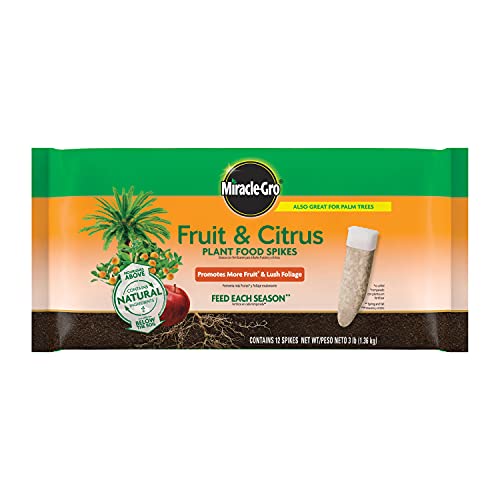
FORMULATED FOR CITRUS AND FRUIT TREES: Use these citrus fertilizer spikes on apple, orange, lemon, lime, and avocado trees; this formula is also great for feeding palm trees

Leaf Characteristics
- Large Leaves: Fig trees usually have broad, lobed leaves that can measure up to 12 inches long.
- Evergreen Nature: In warmer climates, fig trees remain evergreen, producing leaves year-round.
- Varied Leaf Development: Some years may show a vigorous leaf growth while fruit production may lag behind.
Fruit Production
- Seasonal Growth: Fig trees typically produce two crops: a smaller main crop in late summer and a larger crop in fall. You might notice plenty of leaves but minimal fruit, especially if conditions aren’t ideal.
- Conditions Affecting Fruit: Poor pollination, inadequate sunlight, and extreme temperatures can lead to abundant leaves with few or no figs.
Care Tips for Figs
- Watering: Ensure consistent watering, especially during dry spells. Fig trees thrive in well-drained soil.
- Pruning: Prune your fig tree to promote better air circulation and sunlight exposure. This encourages fruit development along with leaf growth.
- Fertilization: Use a balanced fertilizer to provide necessary nutrients, as this supports both leaf and fruit production.
- Why are there leaves but no fruit? Factors like insufficient pollination, lack of sunlight, or nutrient deficiencies might cause this.
- When to expect fruit? Most fig trees bear fruit within 2 to 3 years. Patience pays off, as proper care can enhance yields.
Understanding the relationship between leaves and fruit in fig trees allows you to manage their growth effectively. This knowledge helps clarify expectations and improves your gardening experience.
Fig Tree Growth Phases
Fig trees go through distinct growth phases, impacting their leaves and fruit production. Understanding these phases helps you care for your fig tree more effectively.
Recommended Products

【60W High Power & Full Coverage Growth】Boasting 288 high‑density LEDs, this Chiphy extra‑tall 85'' grow light for indoor plants delivers a consistent 60W power output and 6,600 lumens to fuel robust plant growth. Unlike conventional halo, bar, and spot grow lights that create uneven lighting and shadow dead zones, it features an upgraded large 9.2‑inch panel (66.5 sq in) alongside a 120° wide‑beam angle. Its even light reaches plant tops, side branches, and bottom leaves with no blind spots, resolving common growth problems such as spindly, lopsided, and stunted growth to keep your indoor plants full, lush, and well‑formed year‑round.


Leaf Development
During the initial growth phase, fig trees focus on leaf development. You might notice vibrant, large leaves emerging in spring. These leaves can grow without flowers or fruit, especially in younger trees. In warmer climates, fig trees often retain their leaves throughout the year. While leaf quality may vary each season, it generally indicates good health in your tree.
Fruit Development
Fruit development typically occurs after leaf growth. Fig trees usually produce two main crops annually. The first crop, known as breba, appears on new growth from the previous year, often ripening in early summer. The second crop forms on the current year’s growth, maturing in late summer to fall. Factors like inadequate sunlight, poor pollination, and temperature extremes can limit fruit production. Monitoring these conditions will maximize your tree’s yield.
The Relationship Between Leaves and Fruit
Understanding the relationship between leaves and fruit in fig trees helps you manage their growth expectations effectively. Fig trees can indeed produce leaves without fruits during certain stages of their life cycle.
Can Fig Trees Have Leaves Without Fruit?
Yes, fig trees can have leaves without fruit, especially during their early growth phase. Younger trees often focus on developing robust foliage rather than fruit production. In this stage, you’ll see healthy, vibrant leaves that serve as a sign of the tree’s vitality. It’s common for these trees to establish a strong leaf structure, setting the stage for future fruit development.
Factors Influencing Leaf and Fruit Growth
Several factors affect both leaf and fruit growth in fig trees:
- Pollination: Some fig varieties require specific pollinators, like certain wasps. If pollination is insufficient, fruit production may decline.
- Sunlight: Adequate sunlight is essential for healthy growth. Aim for at least six hours of direct sunlight daily for optimal leaf and fruit development.
- Watering: Consistent watering affects both foliage and fruiting. Ensure your tree gets enough moisture for healthy growth, but avoid overwatering.
- Temperature: Extreme cold or heat can stress the tree, impacting its ability to produce fruit even if leaves are abundant.
- Nutrient Supply: Balanced fertilization supports overall health. Use a balanced fertilizer in spring to promote both leaf and fruit growth.
Managing these factors effectively enhances your fig tree’s chance for fruit production while ensuring healthy leaves.
Common Myths About Fig Trees
Myth 1: Fig Trees Only Have Leaves When They Have Fruit
Fig trees can indeed have leaves without fruit. This scenario typically occurs during their initial growth phase. Young fig trees focus on developing a strong leaf structure, leading to vibrant leaves even in the absence of fruit.
Myth 2: All Fig Trees Produce Two Crops Annually
Not every fig tree produces two crops per year. Factors such as species, climate, and growing conditions influence fruit yield. Certain varieties may only produce a breba or an early summer crop, while others may not bear fruit until their mature stages.
Myth 3: Lack of Fruit Means the Tree Is Unhealthy
A fig tree showing dense foliage without fruit doesn’t signify poor health. Healthy leaves often indicate vigorous growth. The absence of fruit can result from environmental factors rather than the tree’s overall vitality.
Myth 4: Fig Trees Require Extensive Care to Produce Fruit
While proper care supports fruit development, maintaining fig trees often involves simple practices. Regular watering, appropriate pruning, and balanced fertilization suffice for most fig tree varieties to thrive and bear fruit.
Myth 5: Figs Ripen After Picking
Figs do not ripen further after harvesting. This means it’s essential to wait until they reach full ripeness on the tree. Harvesting too early can lead to firm, unripe figs that lack the sweet flavor you expect.
Myth 6: All Fig Trees Thrive in Any Climate
Fig trees prefer warm, temperate climates. They tolerate brief cold periods but struggle in harsh winter conditions. Always consider your local climate and choose appropriate fig varieties that fit your growing zone.
By understanding these myths, you can better care for your fig trees and manage your expectations regarding leaf and fruit production.
Conclusion
Fig trees can indeed have leaves without fruit and understanding this can help you manage your expectations as a gardener. If you see vibrant leaves but no figs don’t worry; it’s a natural part of their growth cycle.
By focusing on proper care like consistent watering and balanced fertilization you can support both leaf and fruit development. Remember that patience is key with fig trees as they often take a few years to bear fruit. Embracing the unique growth phases of your fig tree will enhance your gardening experience and keep your plants thriving. Happy gardening!
Frequently Asked Questions
Can fig trees have leaves without producing fruit?
Yes, fig trees can have leaves without fruit, especially in their early growth stages. Younger trees often focus on developing foliage before fruiting.
Why are there leaves but no figs on my tree?
Several factors can cause this, including poor pollination, insufficient sunlight, or extreme temperatures. It’s essential to provide proper care and conditions for fruit development.
When should I expect my fig tree to bear fruit?
Most fig trees bear fruit within 2 to 3 years after planting. During this time, leaf development may occur without fruit.
How many crops do fig trees produce each year?
Fig trees usually produce two crops per year. However, this can vary based on the tree’s variety and growing conditions.
Are fig trees evergreen in all climates?
Fig trees can be evergreen in warmer climates, where they retain their leaves year-round. In colder areas, they may lose their leaves in winter.
Do I need to prune my fig tree?
Yes, proper pruning helps maintain shape, encourages healthy growth, and supports fruit production. Regular pruning in late winter or early spring is recommended.
What are common myths about fig trees?
Common myths include the belief that fig trees only leaf when fruiting, that all trees produce two crops, and that non-fruiting trees are unhealthy. Proper care can lead to healthy growth and fruiting.
