

Wondering if you should put lime around your fruit trees? You’re not alone! Many gardeners face this question as they strive to create the best environment for their plants. Lime can be a game-changer, but it’s essential to know when and how to use it.
Key Takeaways
- Lime can enhance the availability of essential nutrients like calcium and magnesium, improving fruit quality and tree health.
- Proper pH balance is crucial; lime helps convert acidic soil to a neutral pH, ideally between 6.0 and 7.0, which fosters better growth conditions for fruit trees.
- Over-liming can result in nutrient imbalances, potentially causing deficiencies in essential elements, so it’s vital to conduct regular soil tests.
- The best time to apply lime is in the fall or early spring, ensuring it integrates well before the growing season starts.
- Alternatives to lime, such as organic amendments (compost, manure, wood chips) and other pH adjustment options (sulfur, iron sulfate, alfalfa meal), can be effective for soil improvement.
- Observing symptoms like yellowing leaves or poor fruit development can indicate both nutrient deficiencies and potential over-liming issues, highlighting the need for balanced soil management.
Benefits Of Lime For Fruit Trees
Lime offers several advantages for fruit trees, primarily linked to nutrient availability and soil health. Understanding these benefits can help you make informed decisions about lime application.
Nutrient Supply
Lime enhances the availability of essential nutrients, such as calcium and magnesium. Calcium strengthens cell walls, improving fruit quality and tree structure. Magnesium plays a key role in chlorophyll production, which is vital for photosynthesis. When you apply lime, you promote better nutrient uptake, resulting in healthier trees and increased fruit yields. For example, using lime on apple trees can lead to more robust growth and improved fruit flavor.
Soil pH Balance
Lime effectively adjusts soil pH, transforming acidic soils into more neutral ones. Most fruit trees thrive in slightly acidic to neutral soil (pH 6.0 to 7.0). Adjusting the pH level can improve soil structure and microbial activity, aiding in nutrient breakdown and absorption. If your soil testing reveals a pH below 6.0, applying lime often enhances fruit tree health and productivity. Remember, the right pH level helps ensure optimal growth conditions for your trees.
Potential Drawbacks Of Using Lime
Applying lime offers numerous benefits, yet it’s essential to consider potential drawbacks. Understanding these risks ensures better outcomes for your fruit trees.
Recommended Products

Quick, at home results for Soil pH, Nitrogen, Phosphorous and Potash Innovative and inexpensive soil test kit features an easy-to-use capsule system and patented color comparators

Kindly NOTE: This soil tester can not be applied to test pH value of any other liquid. If the soil is too dry the indicator will not move, and water it before testing.

KNOW BEFORE YOU GROW | Grow the healthiest, sustainable lawn and garden with the most accurate and easy to use professional soil test kit on the market
Over-Liming Risks
Over-liming can cause soil pH to shift too far toward alkalinity. This shift might lead to nutrient imbalances, making essential elements like iron and manganese less available to your trees. When these nutrients are deficient, fruit quality may decline. If you notice yellowing leaves or poor fruit development, excess lime might be the culprit. Regular soil testing helps maintain balanced pH levels and detect over-liming problems.
Impact On Soil Microorganisms
Lime alters soil chemistry, influencing the ecosystem of microorganisms. High lime levels might negatively impact beneficial bacteria and fungi that aid in nutrient cycling. A decrease in microbial activity can slow the decomposition of organic matter, affecting overall soil health. Observing reduced earthworm presence or less vibrant plant growth signals potential microbial disruptions tied to lime use. Aim for moderation and balance by only applying lime after thorough soil analysis.
When To Apply Lime
Applying lime at the right time ensures maximum benefits for your fruit trees. Seasonal changes and soil conditions play vital roles in determining the best application period.
Recommended Products
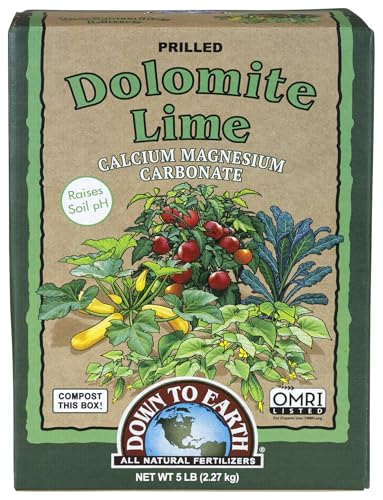
Raises Soil pH Naturally: Helps correct acidic soils for optimal nutrient uptake.

Package contains 6 pounds organic soil de-acidifier grains and is produced to avoid wasteful runoff, mess, hazards and smells

Fast Acting Lime – Fast Acting Lime starts working immediately to raise the pH of your soil, helping grass and other plants absorb nutrients more efficiently, and get your lawn back to looking its best.
Timing Considerations
Apply lime in the fall, ideally two to three months before winter. This allows the lime to integrate well into the soil before spring, promoting nutrient availability as temperatures rise. If your trees show signs of nutrient deficiency or soil pH indicates acidity, consider applying lime during early spring, before new growth starts. Conducting a soil test every few years helps identify the need for lime. If soil pH falls below 6.0, applying lime becomes critical for supporting healthy growth.
Application Methods
Spread lime evenly around the fruit trees using a broadcast spreader or manually with a shovel. Ensure the lime covers the root zone, typically extending to the tree’s drip line. Aim for 2 to 5 pounds of lime per 100 square feet, depending on soil test recommendations. After application, lightly rake the area to incorporate lime into the topsoil. Water the area thoroughly to help dissolve the lime and facilitate its absorption into the soil. Avoid applying lime immediately before heavy rainfall, as leaching can diminish its effectiveness.
Alternatives To Lime
If you’re considering alternatives to lime around your fruit trees, several effective options exist. Each option can help improve soil health and optimize growth.
Recommended Products

Fast Acting Sulfur: Earth Science Fast Acting Sulfur granules start working immediately to lower the pH of your soil. Help your hydrangeas, azaleas, and blueberries absorb more food and improve fertilizer effectiveness.

Balanced Organic Nutrition – Supplies a 6‑3‑3 NPK ratio along with calcium, sulfur, iron, and zinc to foster healthy foliage, flowering, and fruit.

CONCENTRATE INSECT KILLER - This pest control is great for use on aphids, flea beetles, leafhoppers, trips, whiteflies, Japanese beetles, mealy bugs and many more.
Organic Soil Amendments
Organic soil amendments enrich the soil naturally without the potential downsides of lime. Common options include:
- Compost: Adds nutrients, enhances soil structure, and improves moisture retention. Spread a 2 to 3-inch layer around the base of your trees.
- Manure: Provides essential nutrients like nitrogen and phosphorus. Use well-rotted manure to avoid burning tree roots, applying it at a thickness of about 1 inch.
- Wood Chips: Create a natural mulch that protects soil and retains moisture. Spread 2 to 4 inches around your trees, keeping it away from the trunk.
Using these amendments fosters a healthy soil ecosystem that promotes beneficial microbial activity, essential for fruit production.
Other Soil pH Adjustment Options
If soil pH modification is necessary, several alternatives to lime exist, each suited for specific conditions:
- Sulfur: Lowers soil pH, making it more acidic. Apply 1 pound per 100 square feet based on soil testing results.
- Iron Sulfate: Offers quick acidity and provides iron. Use 1 pound per 100 square feet, especially beneficial for iron chlorosis issues.
- Alfalfa Meal: Slightly acidic and adds nutrients. Apply 10 to 20 pounds per 100 square feet for an organic option.
Each option allows you to tailor your soil treatment according to your specific needs, maintaining the balance necessary for thriving fruit trees.
Conclusion
Deciding whether to put lime around your fruit trees is all about balance. While lime can enhance nutrient availability and improve soil pH, it’s essential to use it wisely. Regular soil testing will help you understand your specific needs and avoid over-liming.
Remember that there are alternatives to lime that can also support soil health. Organic amendments like compost and well-rotted manure can enrich your soil without the risks associated with lime.
Ultimately, keeping your fruit trees healthy and productive comes down to understanding your soil and making informed decisions. Happy gardening!
Frequently Asked Questions
What are the benefits of applying lime around fruit trees?
Applying lime enhances nutrient availability by supplying essential elements like calcium and magnesium. It helps balance soil pH, turning acidic soils neutral, essential for fruit tree health and productivity. This adjustment promotes better soil structure and increased microbial activity, resulting in healthier trees and better fruit yields.
Are there any drawbacks to using lime?
Yes, over-liming can raise soil pH too much, causing nutrient imbalances and deficiencies, like iron and manganese, which affect fruit quality. Symptoms include yellowing leaves or poor fruit development. Lime can also reduce beneficial microbial activity, slowing down organic matter decomposition and harming soil health.
When is the best time to apply lime?
The optimal time to apply lime is in the fall, two to three months before winter. If soil conditions show deficiencies or high acidity, early spring application is advised before new growth starts. Regular soil testing is also recommended to determine the need for lime.
How should lime be applied to fruit trees?
Lime should be spread evenly around the root zone at a rate of 2 to 5 pounds per 100 square feet, based on soil test results. It’s crucial to incorporate it into the topsoil and ensure thorough watering afterward to promote effective integration.
Are there alternatives to using lime for soil improvement?
Yes, organic soil amendments like compost, well-rotted manure, and wood chips enrich the soil without lime’s potential drawbacks. Other pH adjustment options include sulfur, iron sulfate, and alfalfa meal, which can be tailored to specific soil conditions, ensuring healthier fruit trees.
