

Are you dreaming of homegrown fruit but unsure which trees will thrive in New Jersey’s climate? You’re not alone! Many gardeners face the challenge of selecting the right fruit trees that can flourish in the Garden State’s diverse conditions.
Key Takeaways
- Variety Selection: New Jersey gardeners can successfully grow a range of fruit trees including apples, peaches, pears, cherries, and plums, each with specific needs for sun, soil, and space.
- Soil Quality: Well-drained loamy soil with a pH between 6.0 and 7.0 is ideal for fruit trees. Soil testing is essential to determine nutrient levels and make necessary amendments.
- Frost Awareness: Understanding local frost dates is crucial for planting fruit trees at the right time, usually after the last frost in mid-April to promote healthy growth.
- Maintenance Practices: Regular pruning, proper watering, and organic fertilizing enhance fruit production and tree health. Aim for pruning in late winter or early spring to encourage strong growth.
- Pest Management: Vigilant monitoring for pests and diseases, along with preventive measures like mulching and companion planting, can help maintain healthy fruit trees.
- Consistent Care: Establishing a consistent care routine that includes water management and mulching is key to cultivating abundant fruit in a New Jersey garden.
Overview of Fruit Trees in New Jersey
New Jersey’s climate offers a suitable environment for a variety of fruit trees. Gardeners can enjoy numerous options that thrive in this region. Considerations include local soil conditions, frost dates, and the specific needs of each tree species.
Common Fruit Trees
- Apple Trees
- Adaptable to different soil types.
- Popular varieties include Fuji and Honeycrisp.
- Requires full sun and good drainage.
- Peach Trees
- Prefers warm, sunny locations.
- Best varieties are Elberta and Redhaven.
- Needs protection from late frosts.
- Pear Trees
- Hardy and tolerant of varying conditions.
- Asian pear varieties like Shinseiki flourish well.
- Pollinator trees such as Bartlett enhance yield.
- Cherry Trees
- Great for both sweet and sour varieties.
- Bing and Montmorency are common selections.
- Thrives in well-drained soil.
- Plum Trees
- Includes European and Japanese varieties.
- Highly productive with types like Stanley.
- Enjoys direct sunlight and requires cross-pollination.
Additional Considerations
- Frost Dates: Plant trees after the last frost to ensure healthy growth.
- Soil Testing: Utilize soil tests to check pH levels and nutrient content. Most fruit trees prefer well-drained soils with a pH of 6.0 to 7.0.
- Watering: Establish a consistent watering schedule, especially during the first few years of growth.
- Mulching: Apply mulch around the base to retain moisture and suppress weeds.
- Pruning: Regular pruning encourages healthy growth and better fruit production. Focus on removing dead or crossing branches.
- Fertilizing: Use organic fertilizers early in the growing season for optimal results.
By selecting suitable fruit trees and following these practices, you can successfully cultivate a fruitful garden in New Jersey.
Best Fruit Trees for New Jersey Climate
New Jersey’s climate supports various fruit trees. You can grow a mix of trees that adapt well to local conditions while providing a delightful harvest.
Recommended Products

Peaches Be Crazy Funny Peach Pun Fruit Georgia Iced Tea

***Due to California Department of Agriculture we CAN NOT ship this item to the state of California***

Apples
Apples thrive in New Jersey’s climate, especially in the northern regions. Varieties like ‘Honeycrisp,’ ‘Granny Smith,’ and ‘McIntosh’ produce excellent fruit.
- Choose a sunny spot with at least 6-8 hours of sunlight daily.
- Space trees about 15-20 feet apart for optimal air circulation.
- Plant in well-drained soil. Conduct a soil test to check pH levels; apples prefer pH between 6.0 and 7.0.
- Water deeply during dry spells, especially during the first two years.
Peaches
Peaches flourish in New Jersey, particularly in warmer areas. Popular varieties include ‘Redhaven,’ ‘Elberta,’ and ‘Reliance.’
- Select a location with full sun exposure for at least 6-8 hours.
- Ensure trees are at least 15 feet apart to allow for growth.
- Plant in sandy, loamy soil with a pH range of 6.0 to 7.0.
- Thin fruit when young to improve size and quality. Remove excess fruit when they reach the size of a quarter.
Pears
Pears grow well in New Jersey, with ‘Bartlett,’ ‘Bosc,’ and ‘Anjou’ being popular choices.
- Find a sunny area with good air circulation for your pear trees.
- Space trees about 12-15 feet apart to avoid overcrowding.
- Plant in well-drained soil, aiming for a pH of 6.0 to 7.5.
- Prune annually to encourage branching and improve fruit production. Aim to remove dead or crossing branches to promote airflow.
By selecting these fruit trees and employing proper planting techniques, you enhance your chances of a fruitful garden in New Jersey.
Considerations for Growing Fruit Trees
When growing fruit trees in New Jersey, several essential factors impact your success. Understanding these considerations helps create an ideal environment for your trees.
Soil Type and Preparation
Soil quality plays a crucial role in tree health. Aim for well-drained soil rich in organic matter. Loamy soil mixtures work best since they balance drainage and nutrient retention. Check your soil’s pH level; most fruit trees thrive in soil with a pH between 6.0 and 7.0.
Conduct a soil test before planting. This test provides valuable information about nutrient levels. If your soil lacks essential nutrients, consider amending it with compost or organic fertilizers. Before planting, dig a hole at least twice the size of the root ball. This preparation encourages healthy root growth.
Climate and Weather Conditions
New Jersey’s climate can be variable, so understanding local frost dates is vital. Knowing the last frost date in spring helps you avoid planting too early. Typically, aim to plant fruit trees after this date, usually around mid-April.
Temperature fluctuations can stress trees, especially during dormancy. Some varieties are more cold-hardy than others. For example, apple trees can withstand colder temperatures better than peach trees. Monitor weather patterns to anticipate any unusual cold snaps. Consider using frost cloths or row covers to protect young trees during unexpected drops in temperature.
By considering soil type, preparation, and climate conditions, you can cultivate a successful fruit tree garden in New Jersey.
Maintenance and Care Tips
Caring for fruit trees in New Jersey requires attention to detail and a bit of planning. Proper maintenance ensures healthy trees and abundant fruit.
Recommended Products

IDEAL BRANCH TRIMMER: 28" Steel blade garden bypass lopper that glides through up to 1.5" thick branches for easy cuts; Works well for trimming tree branches to maintain your yard and garden, and to encourage overall plant health and appearance
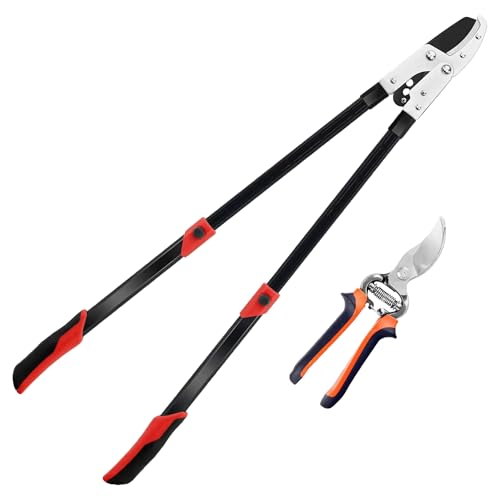
LONG LASTING SHARP: tree branch cutter alloy steel blade with teflon coated and low-friction coating that will long lasting sharp after tough job. Tree pruner is ideal for trimming green living or dry branches, chop through thick branches effortlessly

IDEAL FOR PRUNING GREEN GROWTH: Bypass blade design perfect for cutting tree branches up to 1-1/2 inches
Pruning Techniques
Pruning promotes healthy growth and fruit production. Follow these steps for effective pruning:
- Timing: Prune in late winter or early spring, before new growth starts.
- Tools: Use sharp, clean pruning shears or loppers to prevent disease.
- Removal: Focus on dead or diseased branches first.
- Thinning: Thin crowded branches to improve sunlight penetration and air circulation.
- Shaping: Shape the tree to encourage an open center to maximize light distribution.
Regular pruning encourages better fruit quality and tree shape.
Pest and Disease Management
Managing pests and diseases keeps your fruit trees vibrant. Implement these strategies:
- Monitoring: Regularly inspect trees for signs of pests or diseases, such as spots on leaves or webbing.
- Prevention: Mulch around the base to deter weeds and retain moisture.
- Organic Solutions: Use insecticidal soap for bugs and neem oil for fungal issues.
- Companion Planting: Incorporate companion plants like marigolds to attract beneficial insects.
- Crop Rotation: Change tree planting areas or varieties periodically to avoid soil-borne diseases.
Staying proactive makes it easier to maintain healthy fruit trees.
Conclusion
Growing fruit trees in New Jersey can be a rewarding experience. With the right choices and care you can enjoy fresh fruit right from your backyard. Remember to pay attention to your specific soil conditions and local climate.
Taking the time to understand your trees’ needs will lead to healthier plants and a bountiful harvest. So whether you opt for apples, peaches, or pears you’re sure to find joy in nurturing your garden. Embrace the journey and watch your efforts blossom into delicious rewards. Happy gardening!
Frequently Asked Questions
What fruit trees grow well in New Jersey?
Many fruit trees thrive in New Jersey’s climate, including apples, peaches, pears, cherries, and plums. These choices cater to various local soil conditions and preferences, making them ideal for homegrown fruit.
When is the best time to plant fruit trees in New Jersey?
The best time to plant fruit trees in New Jersey is after mid-April, following the last frost date. This timing ensures young trees avoid frost damage and promotes better growth.
What soil conditions are ideal for fruit trees in New Jersey?
Fruit trees in New Jersey prefer well-drained, nutrient-rich loamy soil with a pH between 6.0 and 7.0. Conducting soil tests can help identify and amend deficiencies for optimal growth.
How do I care for my fruit trees?
Care includes regular watering, mulching, pruning, and applying organic fertilizers. Monitoring for pests and diseases, along with seasonal maintenance, is key to keeping your fruit trees healthy and productive.
What are some popular apple varieties for New Jersey?
Popular apple varieties that thrive in New Jersey include ‘Honeycrisp,’ ‘Granny Smith,’ and ‘McIntosh.’ These apples require full sun and proper spacing for healthy growth.
How can I manage pests and diseases in my fruit trees?
Managing pests and diseases involves regular monitoring, preventive measures like mulching, and using organic solutions. It’s important to stay proactive to maintain tree health and prevent issues.
What tools do I need for pruning fruit trees?
Essential tools for pruning fruit trees include sharp bypass pruners, loppers, and a pruning saw. It’s crucial to keep tools clean and well-maintained for effective and healthy cuts.
Why is soil testing important for fruit tree gardening?
Soil testing is important as it identifies nutrient deficiencies and pH levels. This information allows gardeners to amend the soil appropriately, ensuring optimal growth conditions for fruit trees.
