

Have you ever wondered how long it takes for a banana tree to bear fruit? If you’re thinking about growing your own banana tree, you’re not alone. Many people are curious about the timeline from planting to harvest, especially when it comes to such a delicious fruit.
Understanding the growth cycle of a banana tree can help you plan better and manage your expectations. This article will walk you through the key factors that influence fruiting time and provide tips to help you nurture your tree. Whether you’re a seasoned gardener or a beginner, you’ll find valuable insights to guide you on your banana-growing journey.
Key Takeaways
- Timeframe for Fruiting: Banana trees typically bear fruit within 9 to 12 months after planting, but some varieties may take as little as 6 months or as long as 18 months.
- Growth Conditions Matter: Ideal conditions include temperatures of 75°F to 95°F, well-drained nutrient-rich soil, regular watering (1 to 2 inches per week), and full sun exposure (6 to 8 hours daily).
- Banana Variety: Different types of banana trees, such as Cavendish and Dwarf Brazilian, have varying growth rates and fruiting times that influence your gardening strategy.
- Proper Care: Regular fertilization, the use of a balanced fertilizer high in potassium, and proper pruning practices can significantly boost the growth rate and fruiting potential of your banana tree.
- Common Challenges: Be aware of pests and diseases, as well as environmental stressors like extreme temperatures and inadequate sunlight, which can hinder fruit production.
- Soil Requirements: A mixture of organic compost and sandy loam with a pH between 5.5 to 7.0 creates the best environment for healthy root development and optimal nutrient uptake.
Understanding Banana Trees
Banana trees are unique plants that require specific conditions for successful fruiting. Knowing the types of banana trees and their growth conditions can help you nurture them effectively.
Types of Banana Trees
Common banana tree types include:
- Cavendish: This is the most popular variety, usually found in grocery stores. It’s known for its sweet flavor and consistent fruiting.
- Dwarf Brazilian: This variety grows shorter, making it ideal for smaller spaces. Its fruit is slightly smaller but has a rich taste.
- Red Banana: This type has reddish-purple skin and a sweet, creamy texture. It produces fruit slower than Cavendish varieties.
- Blue Java: Known as “ice cream banana,” this type has a unique flavor and silvery-blue skin. It’s tolerant of cold weather and takes about 18 months to produce fruit.
Growth Conditions for Banana Trees
Banana trees thrive in specific growth conditions, ensuring healthy development and fruiting. Key factors include:
- Temperature: Ideal temperatures range from 75°F to 95°F. Cold weather can stunt growth and delay fruiting.
- Soil: Well-drained, nutrient-rich soil promotes healthy roots. A soil pH between 5.5 and 7.0 is optimal.
- Water: Regular watering keeps the soil moist but not waterlogged. Aim for 1 to 2 inches of water weekly.
- Sunlight: Full sun exposure, around 6 to 8 hours a day, encourages growth. Partial shade in extremely hot climates can prevent leaf scorch.
By understanding the various banana tree types and their growth requirements, you can better manage your expectations when it comes to fruiting times and care.
Timeframe for Banana Trees to Fruit
Banana trees typically require patience before yielding fruit. Understanding the timing can help you manage expectations.
Recommended Products

PREMIUM FUEL LIQUID FERTILIZER: Wellspring Gardens Banana Fuel Liquid Fertilizer Concentrate provides a quality nutrient blend with minor elements that could grow your plants. Its 3-1-6 formula ratio is the ideal fertilizer ration according to University of Florida which is what our product is made of.
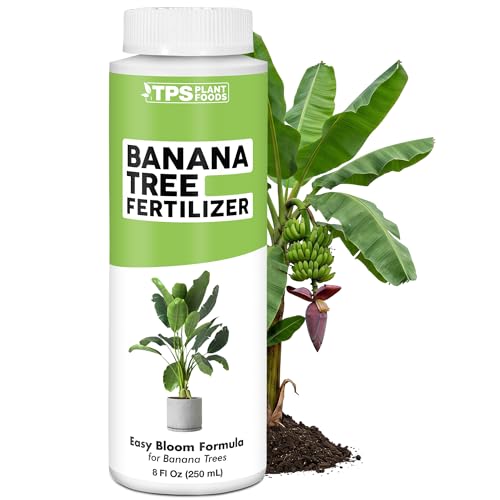
Made for Banana Trees – Specially formulated banana fertilizer designed to support the nutrient needs of banana plants.

2X MORE VALUE: The 16 oz bottle of Banana Plant Fertilizer makes 16 gallons of banana fertilizer for fruit trees, while the bigger size 32 oz bottle makes 32 gallons for lasting care of your banana trees.
Factors Affecting Fruiting Time
- Variety: Different banana varieties have unique growth rates. For instance, the Cavendish variety often fruits within 9 to 12 months, while the Dwarf Brazilian might take 8 to 10 months.
- Growing Conditions: Optimal temperature ranges between 75°F to 95°F promote healthy growth. Soil that retains moisture but drains well is crucial, as are regular watering and adequate sunlight exposure.
- Plant Care: Proper fertilization boosts growth. Use balanced fertilizers high in potassium. Regular pruning of dead leaves can enhance air circulation and light penetration.
- Climate: Tropical climates favor quicker fruiting. Cooler climates can slow growth, extending the time it takes to produce fruit.
Average Time to First Fruit
On average, you can expect a banana tree to bear fruit approximately 9 to 12 months after planting. However, some trees may take as little as 6 months or as long as 18 months, depending on the factors mentioned. Regularly monitoring your tree’s growth and adjusting care practices can significantly affect this timeframe.
Care and Maintenance
Caring for a banana tree ensures healthy growth and fruit production. Focus on soil, watering, and fertilization to create the best environment for your plant.
Recommended Products

100% Natural: Custom blend for your indoor potted banana trees

【Natural & Organic】Our specially designed soil blend contains the precise balance of essential minerals and organic matter to support healthy root development and fruit production in banana plants
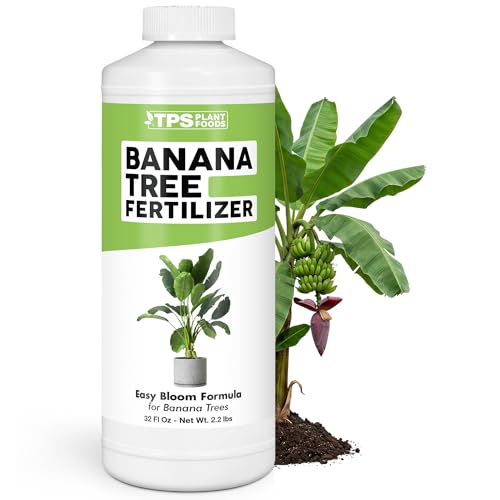
Made for Banana Trees – Specially formulated banana fertilizer designed to support the nutrient needs of banana plants.
Soil Requirements
Use well-draining soil to support banana trees. A mixture of organic compost and sandy loam works best. Aim for a pH between 5.5 to 7.0, which provides the right acidity for optimal nutrient uptake. Add organic matter, such as compost or aged manure, to improve soil structure and fertility. When planting, ensure the soil is loose and aerated to promote root development.
Watering and Fertilization
Water regularly to maintain consistent moisture in the soil. Aim for about 1 to 2 inches of water each week, adjusting based on rainfall and temperature. Banana trees thrive in environments with high humidity, so consider misting your plant or placing a humidifier nearby.
Fertilize every 4 to 6 weeks during the growing season using a balanced fertilizer high in potassium. Look for formulations with a ratio such as 3-1-6 or similar. Follow package instructions for application rates, as over-fertilization can harm the tree.
By adhering to these soil and watering requirements, you create a nurturing environment that encourages faster fruiting of your banana tree.
Common Challenges
Growing banana trees can bring specific challenges that might affect their ability to bear fruit. Understanding these difficulties helps you address them effectively.
Recommended Products


3-IN-1 GARDEN SPRAY - Earth’s Ally 3-in-1 Plant Spray is an insecticide, miticide and fungicide. The houseplant pest spray effectively kills and controls soft-bodied insects and common plant diseases with a synergistic blend of essential oils.

ADVANCED FORMULA: Emulsifiers built into the formula so you just add water. 100% pure oils require an emulsifier to allow oil and water to mix. Nature's IQ has this already built in so you just add water.
Pests and Diseases
Pests, such as aphids and spider mites, can pose threats to banana trees. Regularly inspect your plants for signs of infestations. For instance, yellowing leaves may indicate aphid presence. Treatments include insecticidal soap or neem oil, which are effective and environmentally friendly.
Diseases like Panama disease and leaf spot can also hinder growth. Panama disease, caused by a fungus, leads to wilting and eventual death of the plant. Keeping your garden clean and selecting resistant varieties can minimize risks. Proper air circulation and avoiding overhead watering help prevent leaf spot diseases.
Environmental Stressors
Environmental stressors, including extreme temperatures and inadequate sunlight, can slow fruit production. Banana trees thrive in temperatures between 75°F to 95°F. When temperature drops below 50°F, growth stalls. Use mulch to regulate soil temperature and protect roots during colder nights.
Insufficient sunlight can stunt your plant’s development. Aim for at least 6 hours of direct sunlight daily. If natural light is lacking, consider relocating your tree or using grow lights.
Managing humidity also plays a crucial role. Banana trees flourish in high humidity. If your indoor environment is dry, mist the leaves regularly or use a humidifier.
By addressing these challenges proactively, you can create a healthier environment that supports quicker fruiting in your banana trees.
Conclusion
Growing your own banana tree can be a rewarding experience. With a little patience and the right care you can enjoy the fruits of your labor. Remember that the timeline for fruiting varies based on the variety and growing conditions.
By keeping an eye on your tree’s needs and addressing any challenges that come up you can create an environment that encourages healthy growth. Whether you’re nurturing a Cavendish or a Dwarf Brazilian each tree has its own unique journey to fruiting.
So keep nurturing your banana tree and soon enough you’ll be able to savor those delicious bananas right from your backyard. Happy gardening!
Frequently Asked Questions
How long does it take for a banana tree to bear fruit?
Typically, a banana tree takes about 9 to 12 months to produce fruit, although this can vary between 6 to 18 months depending on the variety and growing conditions.
What factors influence the fruiting time of banana trees?
Fruiting time is influenced by variety, climate, soil quality, temperature, and care practices. Optimal conditions include temperatures between 75°F to 95°F and well-draining soil.
What are the common varieties of banana trees?
Common varieties include Cavendish, Dwarf Brazilian, Red Banana, and Blue Java, each with unique flavors and growth characteristics.
How can I improve the growth conditions of my banana tree?
Ensure your banana tree receives adequate sunlight, high humidity, and a well-draining mix of organic compost and sandy loam soil pH between 5.5 to 7.0.
How often should I water my banana tree?
Banana trees require about 1 to 2 inches of water per week, depending on your climate. Regular watering is essential for healthy growth.
What type of fertilizer is best for banana trees?
Use a balanced fertilizer high in potassium every 4 to 6 weeks during the growing season to promote optimal growth and fruit production.
What are some common pests that affect banana trees?
Common pests include aphids and spider mites. Regularly inspect your plants and consider using insecticidal soap or neem oil for treatment.
How do I manage diseases in banana trees?
To prevent diseases like Panama disease and leaf spot, maintain garden cleanliness, ensure proper air circulation, and monitor your plants regularly for signs of distress.
What challenges do banana trees face in growth?
Challenges include pests, diseases, and environmental stressors like extreme temperatures and insufficient sunlight. Address these promptly to support healthier growth.
Can I grow banana trees indoors?
Yes, banana trees can be grown indoors as long as they receive enough sunlight and humidity. Consider using grow lights during shorter days.
