

Have you ever thought about planting your own fruit trees but aren’t sure which ones will thrive in Massachusetts? You’re not alone. Many gardeners face the challenge of choosing the right varieties that can withstand the local climate and soil conditions.
Key Takeaways
- Cold-Hardy Varieties: Massachusetts gardeners can successfully grow cold-hardy fruit trees such as apples, pears, and plums due to the state’s distinct seasons.
- Popular Fruit Choices: Top fruit trees for Massachusetts include Honeycrisp and McIntosh apples, Bartlett pears, Bing cherries, Red Haven peaches, and Brown Turkey figs.
- Site Requirements: Ensure that fruit trees are planted in well-drained soil and receive ample sunlight to support healthy growth and maximize fruit yield.
- Climate Considerations: The humid continental climate in Massachusetts is suitable for both cold-hardy and warmer fruit varieties, influencing the selection of tree species.
- Comprehensive Care: Regular practices like deep watering, annual pruning, and monitoring soil moisture are essential for maintaining the health and productivity of fruit trees.
- Soil Assessment: Conduct soil tests to identify nutrient needs; amend soil with organic matter to improve drainage and fertility for optimal tree health.
Overview of Fruit Trees in Massachusetts
Massachusetts offers a favorable climate for various fruit trees. You can enjoy both cold-hardy and heat-loving varieties. These trees thrive due to the state’s distinct seasons. Here are some popular options:
Apple Trees
You can find several apple varieties suited for Massachusetts. They include:
- Honeycrisp: Known for its sweet, crisp texture.
- McIntosh: A classic Massachusetts favorite with a sweet-tart flavor.
- Cortland: Excellent for both eating and cooking.
Pear Trees
Pear trees also flourish in this region. Notable types include:
- Bartlett: Juicy and sweet, perfect for fresh eating.
- Bosc: Distinctive flavor pairs well with cheese.
Cherry Trees
Cherry trees add beauty and fruit to your garden. Consider these varieties:
- Bing: Sweet cherries ideal for snacking.
- Montmorency: Tart cherries great for pies and jams.
Peach Trees
You can grow peaches in warmer areas of Massachusetts. Recommended varieties are:
- Red Haven: Popular for its flavor and adaptability.
- Early Elberta: Sweet and juicy, with a strong aroma.
Plum Trees
Plum trees can also thrive in Massachusetts. Opt for:
- Methley: Sweet, juicy fruit with a hint of tartness.
- Santa Rosa: Known for its excellent flavor and large size.
Fig Trees
While not as common, fig trees can succeed in sheltered spots. Try:
- Brown Turkey: Reliable producer of sweet figs.
- Celeste: Known for its delicious taste and size.
- Choose Hardy Varieties: Select trees resistant to local pests and diseases.
- Site Selection: Ensure ample sunlight and good drainage for tree health.
- Regular Care: Prune consistently and monitor for pests.
These options provide a variety of delicious fruits, enhancing your garden and palate. With the right care, you can enjoy home-grown fruit for years.
Top Fruit Trees for Massachusetts Gardens
Massachusetts offers a great environment for various fruit trees. You can select from many varieties that thrive in the local climate, ensuring a fruitful harvest.
Recommended Products
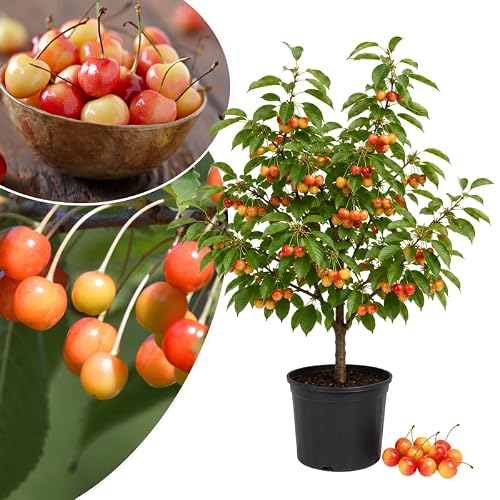
Receive random variety
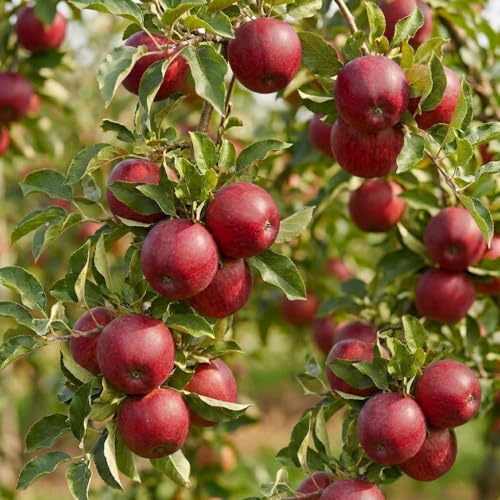
🍎 3 Live Apple Tree Saplings: Receive three healthy young apple tree saplings ready to plant and grow in your garden, backyard orchard, or container. Plants ship dormant (not leaves or fruit) in spring.

Due to agricultural laws, we are unable to ship to CA, AZ, AK, or HI - orders will be cancelled if you ship to one of these states
Apple Trees
Apple trees thrive in Massachusetts, making them a top choice for gardeners. Popular varieties include:
- Honeycrisp: Known for its crisp texture and sweet flavor, it’s a favorite.
- McIntosh: This classic variety offers a tartness that’s perfect for sauces and pies.
Ensure you plant them in well-drained soil with full sun exposure. Pruning your apple trees regularly promotes healthy growth and increases fruit yield.
Pear Trees
Pear trees also adapt well to Massachusetts’s climate. Recommended varieties include:
- Bartlett: Renowned for its sweet, juicy texture, Bartlett pears are excellent for fresh eating.
- Bosc: This variety features a unique flavor and a firm texture, ideal for baking.
Position your pear trees in areas with good air circulation and plenty of sunlight. Vigorous pruning helps manage tree shape and improves air flow, reducing disease risk.
Cherry Trees
Cherry trees add beauty and fruitfulness to your garden. Consider these types:
- Bing: Known for its large, sweet fruit, Bing cherries are great fresh or in desserts.
- Montmorency: This tart cherry variety shines in pies and preserves.
Plant cherry trees in well-drained soil. When choosing location, aim for a spot that offers sunlight for six to eight hours daily. Proper spacing between trees enhances air flow, reducing disease issues.
Peach Trees
Peach trees provide delicious fruit and thrive in Massachusetts. Consider:
- Red Haven: This variety produces sweet, juicy peaches that are perfect for eating fresh.
- Early Elberta: Known for its early harvest and rich flavor, this variety is very popular.
Plant peach trees in full sun and provide well-draining soil. Regular thinning of fruit helps improve size and quality. Maintain consistent watering, especially during dry spells, to support fruitful growth.
Growing Conditions in Massachusetts
Massachusetts features diverse growing conditions ideal for various fruit trees. Understanding these factors helps ensure successful cultivation.
Recommended Products


Hardiness zones: USDA 10–11; No shipping to HI, PR, AK, CA

🌇 live Chicago Hardy Fig tree 1 gallon is self-pollinating, comes with easy to use Fig food, and produces fresh Fig fruit every Year
Climate Considerations
Massachusetts experiences a humid continental climate. Winters are cold, with temperatures often dropping below freezing, while summers bring warmth and humidity. This climate supports cold-hardy trees like apple and pear, thriving in cooler temperatures. Summer warmth benefits heat-loving varieties such as peach and fig. Planting fruit trees that match these climate characteristics increases the likelihood of a fruitful harvest.
Soil Requirements
Soil quality plays a crucial role in tree health. Rich, well-drained soil enhances growth for fruit trees. Most trees prefer slightly acidic to neutral pH levels, ranging from 6.0 to 7.0. Conducting a soil test identifies nutrient deficiencies and pH levels. Amend the soil with organic matter, like compost, to improve drainage and fertility. For example:
- Apple Trees: Thrive in loamy soils with good drainage.
- Pear Trees: Require well-drained soils; clay soils can lead to root rot.
- Cherry Trees: Flourish in sandy loam with proper drainage to prevent excess moisture.
- Peach Trees: Benefit from sandy, well-drained soils to support root aeration.
- Fig Trees: Enjoy fertile, well-draining soil rich in organic material.
Ensuring the right soil conditions supports robust growth and fruit production.
Care and Maintenance of Fruit Trees
Caring for fruit trees in Massachusetts requires attention to watering and pruning. Following these practices ensures healthy growth and maximum fruit production.
Recommended Products

CLEAN CUTS FOR LIVE GROWTH: Bypass blade design is ideal for pruning delicate flower stems and green growth, helping reduce crushing and plant damage while cutting stems and small branches up to 5/8” in diameter

· ULTRA-SHARP SK5 STAINLESS STEEL - Engineered with premium SK5 stainless steel, these heavy duty pruning shears deliver razor-sharp precision and maximum hardness. The rust-resistant blades are designed to stay sharp longer, effortlessly resisting corrosion and sap buildup for smooth, friction-free garden shears performance year after year.

LONG-LASTING SHARPNESS: Japanese SK5 bypass blade with titanium coating is tested through 5,000 cuts to maintain a sharp edge and deliver clean, consistent cuts on live stems and branches
Watering Practices
Water fruit trees deeply and less frequently rather than giving them light, frequent watering. Aim for 1 to 2 inches of water per week, adjusting based on rainfall and tree age. Young trees need more water during their first few years to establish strong roots, while established trees should receive enough moisture to support fruit development.
Check the soil moisture by sticking your finger about an inch into the soil. If it feels dry, it’s time to water. Use drip irrigation or soaker hoses for efficient watering, as they deliver water directly to the roots while reducing evaporation.
Pruning Techniques
Prune fruit trees annually to promote healthy growth and fruit production. The best time for pruning is late winter or early spring before new growth begins. Focus on removing dead, damaged, or crossing branches to improve airflow and sunlight penetration.
Aim for a central leader structure in apple and pear trees, allowing one strong trunk to dominate. For cherry and peach trees, maintain an open center shape to catch sunlight better. Use clean, sharp pruning shears to make clean cuts, reducing the risk of disease.
Monitor your trees for overcrowding. If branches overlap or crowd each other, prune selectively to ensure each branch has room to grow. Regular pruning increases fruit size and quality.
Conclusion
Choosing the right fruit trees for your Massachusetts garden can lead to a rewarding experience. With so many options available you can enjoy a variety of delicious fruits right from your backyard. Remember to consider the specific needs of each tree type and provide the care they require.
Whether you’re planting apple trees or figs it’s important to create the ideal environment for them to thrive. With a little patience and dedication you’ll soon be reaping the benefits of your hard work. Happy gardening and here’s to a fruitful harvest!
Frequently Asked Questions
What fruit trees grow well in Massachusetts?
Massachusetts supports a variety of fruit trees, including cold-hardy options like apple (Honeycrisp, McIntosh) and pear (Bartlett, Bosc), as well as heat-loving varieties such as peach (Red Haven, Early Elberta) and fig (Brown Turkey, Celeste). Choosing the right tree helps ensure a successful harvest.
How do I choose the right fruit tree for my garden?
When selecting a fruit tree, consider the local climate, soil conditions, and pest resistance. Choose varieties that are known to thrive in Massachusetts and ensure the planting site has adequate sunlight, drainage, and air circulation for optimal growth.
How should I prepare the soil for fruit trees?
Fruit trees generally thrive in well-draining, slightly acidic to neutral soil. Each type has specific needs—apple trees prefer loamy soil, while pear trees need well-drained conditions to avoid root rot. Conduct a soil test to determine pH and adjust if necessary.
What is the best way to care for fruit trees in Massachusetts?
Regular care includes proper watering (1-2 inches per week), annual pruning, and pest monitoring. Adjust watering frequency based on rainfall and tree age, and prune in late winter or early spring to promote healthy growth and fruit production.
When should I prune my fruit trees?
The best time to prune fruit trees is late winter or early spring, before new growth begins. Regular pruning improves airflow, sunlight penetration, and fruit size. Different trees, like apple and pear, benefit from maintaining a central leader, while cherry and peach trees thrive with an open center shape.
How often should I water my fruit trees?
Water fruit trees deeply but less frequently, ideally providing 1 to 2 inches of water per week. Young trees need more water for root establishment, while established trees require consistent moisture for fruit development. Adjust watering based on rainfall and tree age.
