

Have you ever wondered what fruit trees thrive in the warm climate of South Texas? If you’re thinking about starting a garden or adding to your landscape, choosing the right trees can make all the difference. The unique weather and soil conditions in this region offer a fantastic opportunity to grow a variety of delicious fruits.
Key Takeaways
- Diverse Fruit Tree Options: South Texas offers a variety of fruit trees that thrive in its warm climate, including citrus (lemons, limes, oranges), stone fruits (peaches, plums, cherries), and tropical varieties (avocados, mangoes, papayas).
- Optimal Planting Conditions: For successful growth, plant fruit trees in early spring or fall, and ensure they have well-drained soil with adequate sunlight, typically requiring at least 8 hours of direct sunlight daily.
- Soil and Climate Factors: Test soil pH, prepare sandy loam or clay soils with organic matter, and monitor climate conditions. Most trees need at least 300 chill hours for fruit production.
- Care and Maintenance: Regular pruning, pest management, and disease control are crucial for healthy trees. Prune during the dormant season and monitor for pests to ensure strong growth.
- Harvesting Techniques: Harvest fruits at peak ripeness by checking color and texture. Use clean tools for cutting and handle fruits with care to avoid bruising.
- Enjoying Your Harvest: Savor fruits fresh or use them in culinary dishes. Preserve any excess by canning or freezing, and consider sharing your harvest with friends.
Overview of Fruit Trees in South Texas
South Texas boasts a warm climate that supports a variety of fruit trees. The combination of ample sunlight, warm temperatures, and well-drained soils creates an ideal environment for growth. Here are some popular fruit trees you might consider:
Citrus Trees
Citrus trees thrive in this region. They prefer full sun and well-drained soil. Common varieties include:
- Lemon Trees: Perfect for adding zest to dishes and drinks.
- Lime Trees: Great for cocktails and cooking.
- Orange Trees: Offer sweet, juicy fruit for snacking.
Stone Fruit Trees
Stone fruits also do well. These trees typically require cross-pollination for better yields. Examples include:
- Peach Trees: Produce sweet peaches, ideal for fresh eating or baking.
- Plum Trees: Yield juicy plums that are delicious both fresh and in preserves.
- Cherry Trees: Provide beautiful blossoms and sweet cherries.
Tropical and Subtropical Trees
You can grow tropical and subtropical fruit trees in South Texas due to its mild winters. Consider these options:
- Avocado Trees: Produce creamy fruit that works well in salads and dips.
- Mango Trees: Known for sweet, juicy flesh; they thrive with plenty of sun.
- Papaya Trees: Fast-growing trees that yield sweet fruit in warm climates.
Nut Trees
While not fruits, nut trees can be valuable additions. Some suitable choices are:
- Pecan Trees: Iconic to Texas, these trees produce rich nuts for cooking and baking.
- Almond Trees: Ensure well-drained soil for healthy growth and nut production.
Planting Tips
When planting fruit trees, consider these guidelines:
- Choose Disease-Resistant Varieties: Select types known to resist common diseases in the area.
- Plant in the Right Season: Early spring or fall provides the best conditions for growth.
- Water Wisely: Ensure consistent moisture, especially during dry spells.
By selecting the right fruit trees and following a few simple tips, you can enjoy a bountiful harvest in your South Texas garden.
Climate Considerations for Growing Fruit Trees
Understanding climate is essential for successful fruit tree cultivation in South Texas. The region boasts a warm climate that favors a variety of fruit-bearing trees, but specific conditions influence their growth.
Soil Types and Preparation
Selecting the right soil is crucial. South Texas typically features sandy loam or clay soils. These soil types drain well, which is vital for fruit trees. Test your soil for pH levels; most fruit trees thrive in slightly acidic to neutral conditions (pH 6.0 to 7.0).
To prepare your soil:
- Amend with organic matter like compost, which improves drainage and nutrient content.
- Till the soil to ensure it’s loose and aerated, allowing roots to establish.
- Mulch around the base of your trees to retain moisture, especially during dry seasons.
Temperature and Rainfall Patterns
Temperature plays a significant role in fruit tree success. South Texas experiences mild winters and hot summers, making it suitable for various fruit trees. Most fruit trees require at least 300 chill hours (hours below 45°F) to produce fruit. Choose varieties that align with local chilling requirements.
Rainfall is another critical factor. South Texas averages 25 to 35 inches of rainfall annually, but this can vary. During the growing season, ensure trees receive consistent moisture without waterlogging. Consider employing drip irrigation to provide reliable, efficient watering.
When planting, select times with minimal temperature extremes. The best seasons for planting are early spring and early fall. This timing allows trees to establish roots before harsh conditions.
By addressing soil and climate factors, you optimize conditions for flourishing fruit trees in South Texas.
Popular Fruit Trees for South Texas
South Texas offers a warm climate ideal for cultivating various fruit trees. Selecting the right species ensures a fruitful garden.
Citrus Trees
Citrus trees thrive in South Texas’s sunny conditions. Varieties like lemons, limes, and oranges are popular choices. These trees prefer well-drained soil and benefit from regular watering during dry spells. It’s crucial to plant them in early spring to maximize growth.
Citrus trees also require at least 8 hours of sunlight daily. Consider planting them near a south-facing wall for extra warmth. Use disease-resistant varieties to minimize pest problems.
Stone Fruit Trees
Stone fruit trees, such as peaches, plums, and cherries, also flourish in South Texas. These trees perform best in sandy loam soils with good drainage. Late winter or early spring provides the optimal planting time.
Select varieties that suit your area’s chill hours, as some stone fruits require specific temperature ranges to produce fruit. Regular pruning promotes healthy growth and increases yield. Aim for full sunlight exposure to enhance fruit production.
Tropical and Subtropical Varieties
Tropical and subtropical fruits add diversity to your garden. Avocados, mangoes, and papayas thrive in South Texas, offering delicious yields. These trees prefer rich, well-drained soil and consistent moisture.
Plant them in early spring to help them establish roots. Protect them from harsh winds and extreme cold by choosing sheltered locations. Remember to monitor for pests, as these trees can be susceptible to infestations.
Care and Maintenance of Fruit Trees
Maintaining fruit trees in South Texas requires specific techniques to ensure healthy growth and bountiful harvests. Proper care includes pruning, pest management, and disease control.
Recommended Products

IDEAL BRANCH TRIMMER: 28" Steel blade garden bypass lopper that glides through up to 1.5" thick branches for easy cuts; Works well for trimming tree branches to maintain your yard and garden, and to encourage overall plant health and appearance
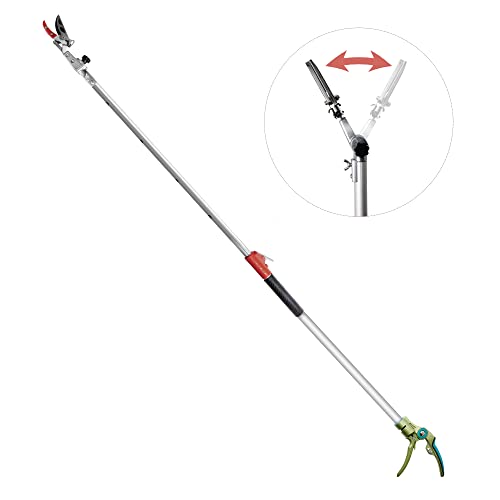
[Helpful Garden Tool] GARTOL brings to you a lightweight and extendable pruning tool to reach out to the least approachable arenas of your garden. You can conveniently get across other plants to remove the fastgrowing brambles and sting nettles without getting scratched or hurt. For gardening lovers, the telescopic pruner cutter head can can be rotated which resolves mobility issues and gives you the pleasure of trimming your garden without bending down or using a ladder to climb and cut them.

[Cut & Hold Pole Pruner for Tree Trimming] This long reach cut and hold pruner makes it easy to grip and remove branches, flowers, or fruit without dropping them. Perfect as a pole fruit picker for harvesting lemons, oranges, apples, or persimmons, and for trimming shrubs and bushes without climbing a ladder.
Pruning Techniques
Pruning encourages growth and helps shape the tree. Follow these steps for effective pruning:
- Timing: Prune during the dormant season, typically late winter before buds break.
- Tools: Use sharp, clean tools like pruning shears or loppers.
- Cutting: Remove dead or damaged branches and thin out crowded areas to improve air circulation.
- Shaping: Aim for an open center to allow sunlight to reach all parts of the tree.
- Maintenance: Regularly check the tree for new growth and shape accordingly throughout the growing season.
Pest and Disease Management
Pest and disease management prevents damage to your fruit trees. Implement the following practices:
- Monitoring: Regularly inspect trees for signs of pests or disease, such as discoloration or wilting leaves.
- Treatment: Use organic or chemical treatments as needed, following manufacturer guidelines for application.
- Prevention: Encourage beneficial insects like ladybugs and lacewings that feed on pests.
- Cultural Practices: Maintain good watering and fertilization schedules to promote tree strength.
- Sanitation: Remove fallen leaves and debris around the base to minimize disease risks.
These care and maintenance practices contribute to the overall health of your fruit trees, ensuring you enjoy a fruitful garden in South Texas.
Harvesting and Enjoying Your Fruits
Harvesting fruits from your trees in South Texas brings great satisfaction. When fruits are ripe, their flavor peaks, making each bite a reward for your hard work. Here’s what you need to know about the harvesting process and enjoying your yields.
Timing Your Harvest
- Observe Color: Fruits often change color as they ripen. For example, oranges turn bright orange while avocados shift from green to a slightly darker hue.
- Check Texture: Gently squeeze fruits. They should yield slightly to pressure. A firm peach indicates it needs more ripening time.
- Taste Testing: Sample a fruit when in doubt. Fruit should be sweet and juicy at the right ripeness stage.
Harvesting Techniques
- Use Clean Tools: Use sharp, clean pruners to avoid damaging branches and fruits.
- Cut, Don’t Pull: Always cut the fruit from its stem rather than pulling. This prevents injury to the tree.
- Handle With Care: Place harvested fruits gently in a basket or box. Avoid stacking them too high to prevent bruising.
Storing Your Harvest
- Cool and Dry: Store fruits in a cool, dry place. Avoid direct sunlight to extend freshness.
- Refrigerate When Necessary: Some fruits, like peaches and plums, can benefit from refrigeration. Keep them in the crisper drawer.
- Avoid Ethylene Gas: Keep ethylene-producing fruits, such as bananas, away from other fruits to prevent premature ripening.
Enjoying Your Fruits
- Fresh Consumption: Enjoy fruits fresh off the tree. They offer vibrant flavors and nutrients.
- Culinary Uses: Incorporate fruits into salads, smoothies, or desserts. For example, make a refreshing mango salsa or peach cobbler.
- Preserving: Can or freeze any excess fruit. Jarring homemade jam or freezing fruit allows you to savor the harvest year-round.
- Give to Friends: Share your surplus with friends or neighbors. It’s a great way to bond and celebrate your gardening efforts.
- Host a Tasting Party: Host a gathering to showcase your fruits. Encourage guests to bring dishes made with their own harvests.
By timing your harvest right, using proper techniques, and creatively enjoying your produce, you’ll fully appreciate the fruits of your labor in South Texas.
Conclusion
Growing fruit trees in South Texas can be a rewarding experience. With the right choices and care you can enjoy a bountiful harvest of delicious fruits. Whether you’re planting citrus trees for zesty flavors or tropical varieties for a taste of paradise there’s something for everyone.
Remember to consider your soil and climate conditions to ensure your trees thrive. With a little patience and dedication you’ll not only cultivate beautiful trees but also create lasting memories with family and friends as you share the fruits of your labor. Happy gardening!
Frequently Asked Questions
What types of fruit trees grow well in South Texas?
South Texas is ideal for various fruit trees including citrus varieties like lemons, limes, and oranges. Stone fruits such as peaches and plums also thrive. Tropical fruits like avocados and mangoes, as well as nut trees like pecans, are suitable for the warm climate, ensuring a diverse and fruitful garden.
When is the best time to plant fruit trees in South Texas?
The best times to plant fruit trees in South Texas are early spring and early fall. This timing allows trees to establish strong roots before facing the harsh summer heat or winter cold, improving their chances for successful growth.
How do I care for my fruit trees in South Texas?
Fruit tree care includes regular watering, especially during dry spells, and proper fertilization with organic material. Pruning is best done in the dormant season to promote healthy growth. Regular pest and disease monitoring is crucial for maintaining tree health.
What soil type is best for growing fruit trees in South Texas?
Sandy loam or well-draining clay soils are ideal for fruit trees in South Texas. These soil types retain moisture while allowing excess water to drain, ensuring roots remain healthy. Amending soil with organic matter can enhance fertility and drainage.
How can I ensure a good harvest from my fruit trees?
To ensure a bountiful harvest, choose disease-resistant tree varieties and monitor for pests. Ensure adequate watering, especially during dry spells. Prune correctly for sunlight exposure and follow recommended care techniques based on specific fruit tree needs.
What are chill hours, and why are they important?
Chill hours refer to the amount of cold exposure fruit trees need during winter to produce fruit. In South Texas, most trees require at least 300 chill hours. Insufficient chilling can result in poor fruit set and weak tree development.
How do I know when to harvest my fruit?
Harvest timing can be determined by observing color, checking texture, and taste testing. Look for signs like vibrant color and slight softness. Each fruit type has specific indicators, so it’s important to learn these cues for successful harvesting.
What are some ways to enjoy harvested fruits?
There are numerous ways to enjoy harvested fruits: eat them fresh, incorporate them into recipes, or preserve them for later use. You can also share your bounty with friends or host tasting parties to showcase the fruits of your gardening labor.
