

Have you ever wondered when those juicy plums will finally make their appearance? If you’ve planted a plum tree or just enjoy the fruit, knowing the right season can make all the difference. It’s not just about the fruit; it’s about planning your gardening tasks and enjoying the harvest.
Key Takeaways
- Fruit Production Season: Plum trees typically produce fruit from June to August, with ripeness varying by variety and climate.
- Spring Blooming: Plum trees bloom in early spring, around March to April, marking the beginning of the fruiting process; late frosts can negatively impact fruit set.
- Varietal Differences: Different plum varieties ripen at different times—early varieties like ‘Santa Rosa’ mature in June, while late varieties like ‘Damson’ may not be ready until August or September.
- Optimal Growing Conditions: Plum trees flourish in well-drained, loamy soil and require full sunlight (6-8 hours daily), with soil pH levels between 5.5 and 6.5.
- Regular Care: Consistent watering, pruning, and monitoring for pests and diseases are essential for healthy growth and fruitful harvests.
- Harvesting Tips: Harvest plums when they yield to gentle pressure and display the appropriate color. Handle with care and pick during cooler times to maintain fruit quality.
Overview Of Plum Trees
Plum trees belong to the Prunus genus and produce sweet, juicy fruits. Recognized for their beautiful blossoms, these trees thrive in various climates, primarily temperate regions.
Characteristics of Plum Trees
Plum trees vary in size, shape, and fruit type. You can find them as small shrubs or large trees, typically reaching 15 to 30 feet in height. Their leaves are oval, and the flowers are usually white or pink, blooming in early spring.
Common Varieties
Several plum varieties grow globally, catering to different tastes and culinary uses. Some popular varieties include:
- Santa Rosa: Juicy, sweet, and excellent for eating fresh.
- Sloe: Small, tart, often used in jams or desserts.
- Damson: Dark-skinned, perfect for cooking due to its tart flavor.
Ideal Growing Conditions
Plum trees thrive best in well-drained soils with full sun exposure. Aim for soil pH levels between 6.0 and 7.0 for optimal growth. Water regularly, especially during dry spells, ensuring deep root hydration.
Ideal Climate
Most plum trees prefer temperate climates with distinct seasons. They benefit from a chilling period during winter, promoting fruit production in spring. Some varieties might tolerate warmer temperatures, but extreme heat can affect fruit quality.
Pruning and Care
Regularly prune your plum trees to encourage healthy growth and fruit production. Focus on removing any dead or crossing branches during the dormant season. Fertilizing in early spring also enhances growth and fruit development.
Pests and Diseases
Be aware of common pests like aphids and diseases like brown rot. Regular inspections help you catch issues early. Use organic methods or consult local agricultural extensions for effective pest management strategies.
By providing better care and understanding ideal conditions, you’ll improve your chances of a fruitful plum harvest each season.
Growing Conditions For Plum Trees
Growing healthy plum trees requires specific conditions to ensure optimal fruit production. Understanding these requirements helps you create the perfect environment for your trees.
Recommended Products

Kindly NOTE: This soil tester can not be applied to test pH value of any other liquid. If the soil is too dry the indicator will not move, and water it before testing.

Accurate Soil Moisture Detection: The XLUX Soil Moisture Meter can tell you if the soil deep inside your pot or garden is dry, moist or wet; whereas your eyes and fingers can only determine the moisture level of the soil surface. The probe is 5.5 inches (14 cm) longer than regular styles, allowing it to measure the soil moisture at the bottom of larger and deeper flower pots.

✅ 1Dial & 1 LCD Screen - Replace/install all 3 batteries each time. Put button to %RH/°F to - Turn On, and put to LIGHT to - Turn Off. Read the LCD results in 3-5 mins. (Not Water Moisture Meter, so, please don't test liquid)
Soil Requirements
Plum trees thrive in well-drained soil. Aim for loamy soil rich in organic matter, as it retains moisture while allowing excess water to drain away. Ensure a soil pH between 5.5 and 6.5 for the best results. Before planting, test your soil’s pH and amend it if necessary. Incorporate compost or aged manure to improve soil fertility. Avoid waterlogged conditions; they can lead to root rot and diminish fruit yield.
Climate Considerations
Plum trees prefer temperate climates with distinct seasons. They require at least 600 chill hours, or hours spent in temperatures below 45°F (7°C), during winter for effective blooming in spring. These trees flourish in full sun, needing at least 6-8 hours of sunlight daily. Protect your trees from extreme temperatures, as late frosts can affect blooming and fruit set. When selecting varieties, choose those suited to your local climate for promising growth and harvest.
What Season Do Plum Trees Produce Fruit?
Plum trees produce fruit during the summer months, typically between June and August, depending on the variety and climate. Understanding the blooming and fruit development timeline helps you plan for successful harvesting.
Recommended Products
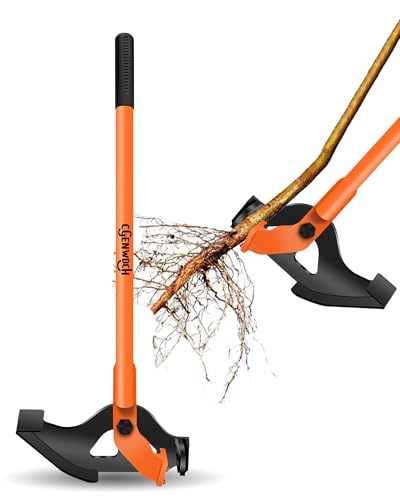
Permanent Eradication: Sapling puller can quickly deal with weeds and small trees with stem diameters of 1/4" - 3/4", and completely pull out their stubborn root balls to prevent regrowth, without seasonal pruning, saving time and cost. Completely remove harmful invasive plants once and for all

【Efficient Tree & Sapling Removal】Pull 1/4”-2” saplings, shrubs, vines, and woody stems using this tree puller tool, root puller, and weed puller. Perfect for garden tools, gardening tools, hand tools, and tool sets to remove unwanted plants efficiently

🌳 Uproots Completely, No Repeated Growth Unlike flimsy weed pullers that just snip the top, this heavy-duty sapling puller grips and uproots the entire root system. It physically extracts invasive woody plants, vines, and small stumps by the root, leaving nothing behind to sprout again. Your desirable plants stay completely undisturbed – giving you a true, long-term solution for overgrown land without chemicals.
Spring Blooming Period
In spring, plum trees enter their blooming phase, usually in March or April. During this time, beautiful blossoms emerge, signaling the start of the fruiting process. The timing of this bloom is crucial as it affects fruit set. Late frosts can damage these blossoms, reducing your chances of a good harvest. Selecting frost-resistant varieties or planting in protected areas enhances bloom survival.
Fruit Development Timeline
After blooming, fruit development begins. This process usually spans several months:
- Pollination: Plum blossoms require pollination to set fruit. Insects, particularly bees, play a vital role in this stage.
- Fruit Set: Within a few weeks after successful pollination, the ovaries of the flowers develop into small fruit. This occurs in late spring.
- Fruit Growth: Over the summer, the immature plums grow in size and change color from green to yellow, red, or purple, depending on the variety.
- Ripening: Ripeness occurs around late summer, generally from June to August. Different varieties ripen at various times, with some early varieties maturing in June and others later in July or August.
Regular monitoring of the plums is essential. You can test ripeness by gently pressing the fruit; if it yields slightly, it’s ready for harvesting. Keep an eye on weather patterns, as fluctuations can impact both blooming and fruit development.
Factors Influencing Fruit Production
Understanding the factors influencing fruit production helps you optimize your plum harvest. Various elements affect when and how much fruit your plum trees produce.
Recommended Products

Quick, at home results for Soil pH, Nitrogen, Phosphorous and Potash Innovative and inexpensive soil test kit features an easy-to-use capsule system and patented color comparators

KNOW BEFORE YOU GROW | Grow the healthiest, sustainable lawn and garden with the most accurate and easy to use professional soil test kit on the market

Accurate Soil pH Testing: Dewildetradingco Soil pH Test Strips offer measurements of soil pH levels (pH 3.5-9). As an essential tool for every gardener and grower, these test strips help determine the optimal pH for various plants, such as outdoor plants, indoor plants, gardens, grass lawns, fruit trees, flowers, vegetables, and forest shrubs.
Variety of Plum Trees
Different varieties of plum trees bear fruit at different times. For instance, early varieties like the ‘Santa Rosa’ typically produce fruit from June to July. Mid-season varieties, such as ‘Stanley,’ bear fruit from July to August. Late varieties, including ‘Damson,’ harvest in August or September. Select the right variety for your local climate and personal preferences to ensure a fruitful season.
Environmental Factors
Environmental factors significantly impact fruit production.
- Soil Quality: Well-drained, loamy soil promotes healthy root systems, leading to better yields. Conduct a soil test to check nutrient levels and pH, aiming for a range between 5.5 and 6.5.
- Sunlight: Plum trees require 6-8 hours of sunlight daily. Ensure your trees get enough light, as insufficient exposure can delay flowering and fruit set.
- Temperature: Temperatures must not drop below 32°F (0°C) during blooming in spring, as late frosts can damage blossoms. Monitor local forecasts and protect blossoms if frost is expected.
- Watering: Regular watering during dry spells supports fruit development. Maintain consistent moisture in the soil but avoid waterlogging.
By addressing these factors, you set up your plum trees for a successful fruiting season.
Harvesting Plums
Harvesting plums requires timing and technique to ensure the best quality fruit. You’ll enjoy the sweetest, ripest plums when you pick them at just the right moment.
Optimal Harvesting Time
Plums typically reach their peak ripeness from mid-summer to late summer, depending on the variety. Early varieties like ‘Santa Rosa’ can be harvested from June to July, while mid-season and late varieties, such as ‘Stanley’ and ‘Damson,’ mature in August. Check plums frequently during this period. The best indication of ripeness is when plums slightly yield to gentle pressure and exhibit a rich color specific to their variety. Avoid waiting too long, as overripe plums can become mealy and lose flavor.
- Use Clean Hands or Tools: Ensure your hands are clean, or use pruning shears to avoid bruising the fruit.
- Gently Twist and Pluck: Hold the plum and gently twist while pulling to detach it from the branch cleanly.
- Check for Color Consistency: Confirm that the fruit’s color is typical for its variety, ensuring it aligns with ripeness cues.
- Harvest on Dry Days: Plums stay fresher longer if harvested on dry days, as this minimizes moisture that can promote mold.
- Pick During Cooler Times: Early morning or late afternoon is best for harvesting, as cooler temperatures reduce heat stress on the fruit.
- Handle with Care: Place plums in shallow containers to prevent bruising. Avoid stacking them.
These tips enhance your plum harvesting experience, resulting in a flavorful bounty ready for enjoyment.
Conclusion
Understanding when plum trees produce fruit can truly enhance your gardening experience. By knowing the specific timing and care needed for your chosen variety you can enjoy a bountiful harvest. Remember to pay attention to the environmental factors that affect fruiting and take the necessary steps to protect those delicate blossoms from late frosts.
With a bit of patience and proper care your plum trees can reward you with delicious fruits from summer to late summer. So get ready to savor the sweet rewards of your hard work and enjoy the fruits of your labor!
Frequently Asked Questions
When are plums ready to harvest?
Plums are typically ready to harvest from mid-summer to late summer, depending on the variety. For early varieties like ‘Santa Rosa,’ expect fruit from June to July, while others like ‘Stanley’ and ‘Damson’ mature later in the summer. Look for plums that yield slightly to gentle pressure and have a rich color.
What growing conditions do plum trees need?
Plum trees thrive in well-drained, loamy soil rich in organic matter, with a pH between 5.5 and 6.5. They prefer full sun, requiring at least 6-8 hours of sunlight daily, and a temperate climate with 600 chill hours in winter. Avoid waterlogged conditions to prevent root rot.
How can I protect my plum blossoms from frost?
To protect plum blossoms from late frosts, consider covering the trees with lightweight fabrics on cold nights. Avoid pruning right before blooming to minimize frost damage and select frost-resistant varieties suited to your local climate for better protection.
What are some common varieties of plums?
Common varieties of plums include ‘Santa Rosa,’ known for its sweet flavor, ‘Sloe,’ which produces small, tart fruits, and ‘Damson,’ famous for its rich taste and culinary uses. Selecting the right variety is crucial for optimal fruit production based on your local climate.
What care do plum trees need?
Plum trees require regular pruning, watering, and pest management. Ensure consistent soil moisture without overwatering, protect blossoms from late frosts, and keep an eye out for pests. Proper care enhances fruit production and overall tree health.
How can I tell when plums are ripe?
Ripe plums will yield slightly to gentle pressure and show a rich, consistent color. Checking the texture and color helps ensure optimum flavor. Harvesting on dry days also helps maintain the fruit’s quality during picking.
What factors influence plum fruit production?
Key factors include selecting the right plum variety, soil quality, adequate sunlight, temperature, and consistent watering. Conducting soil tests and adjusting pH, along with monitoring for pests and diseases, are essential to maximizing fruit production.
