

Ever wondered which fruit trees can thrive without a partner? If you’re looking to grow your own fruit but don’t have the space for multiple trees, self-pollinating varieties might be just what you need. These trees can produce delicious fruits all on their own, making gardening easier and more rewarding.
Key Takeaways
- Self-Pollination Basics: Self-pollinating fruit trees can fertilize their own flowers, allowing them to produce fruit without the need for another tree.
- Popular Varieties: Common self-pollinating fruit trees include cherries (‘Stella’), peaches (‘Elberta’), plums (‘Methley’), and figs (‘Brown Turkey’), which are ideal for small garden spaces.
- Enhanced Yields: These trees can yield abundant fruits even in limited spaces, simplifying the gardening process and maximizing harvests.
- Proper Care and Maintenance: To optimize fruit production, it’s essential to select the right varieties, provide adequate water and nutrients, and perform regular pruning.
- Climate’s Influence: Successful self-pollination is influenced by climate factors—warm temperatures during blooming enhance pollen viability and fruit set.
- Space-Saving Advantage: Self-pollinating trees are perfect for gardeners with small yards, eliminating the need for multiple trees while still achieving fruitful results.
Overview of Self-Pollination in Fruit Trees
Self-pollination occurs when a fruit tree fertilizes its own flowers. This process eliminates the need for pollen from other trees. Understanding how self-pollination works helps you choose the right trees for your garden.
Self-pollinating trees produce both male and female reproductive parts in the same flower. This trait allows them to generate fruit independently. Common examples of self-pollinating fruit trees include:
- Cherries: Some varieties, like ‘Stella’, fruit well without a partner.
- Peaches: Most types, such as ‘Elberta’, thrive on self-pollination.
- Plums: Certain plums, like ‘Methley’, need no nearby trees to produce fruit.
- Figs: Varieties like ‘Brown Turkey’ readily self-pollinate.
These trees are particularly beneficial for gardeners with limited space. You can grow them in smaller yards without compromising fruit production.
To enhance your success with self-pollinating trees, consider these practical tips:
- Select the Right Varieties: Research your preferred fruit types and ensure they self-pollinate. Look for reputable sources or guides.
- Provide Proper Care: Water and fertilize trees regularly to ensure healthy growth. Pay attention to soil quality and drainage.
- Prune Regularly: Pruning encourages better air circulation and sunlight exposure, which aids in fruit production.
By planting self-pollinating fruit trees, you simplify your gardening efforts while ensuring a fruitful harvest.
Benefits of Self-Pollinating Trees
Self-pollinating trees offer numerous advantages for home gardeners. They simplify fruit production and enhance the gardening experience.
Recommended Products

Golden Delicious Apple Tree: It is a beautiful, fruit-bearing plant! Imagine the joy of watching this deciduous beauty transform through the seasons, from delicate pink blossoms in the spring to lush, green foliage in the summer.

Product Quantity: Five+ dwarf peach tree seeds per packet; Premium selection for optimal viability; Perfect for starting your own backyard orchard

These are ready to plant and should be put in the ground according to the included instructions upon arrival. All pictures are of fully grown plants. Sizes shipped are in the title and description. Deciduous plants do not have leaves in the winter.
Increased Yields
Self-pollinating trees can produce fruit without needing other trees nearby. This means you benefit from higher yields, even in small spaces. Trees like self-pollinating cherries (‘Stella’) often produce abundant fruit, ensuring a satisfying harvest. You may see several clusters of fruit developing directly on your tree, maximizing your efforts.
Space-Saving Advantages
Self-pollinating trees are perfect for limited garden space. You don’t need to plant multiple varieties to achieve good fruit production. For instance, growing a single self-pollinating peach tree (‘Elberta’) enables you to enjoy delicious fruit without crowding your yard. You’ll appreciate the more manageable layout while still harvesting fresh fruit. By utilizing these trees, gardeners can maintain neat, productive spaces.
Common Self-Pollinating Fruit Trees
Self-pollinating fruit trees are a great addition to any garden. They can thrive independently, making them perfect for small spaces and novice gardeners.
Recommended Products

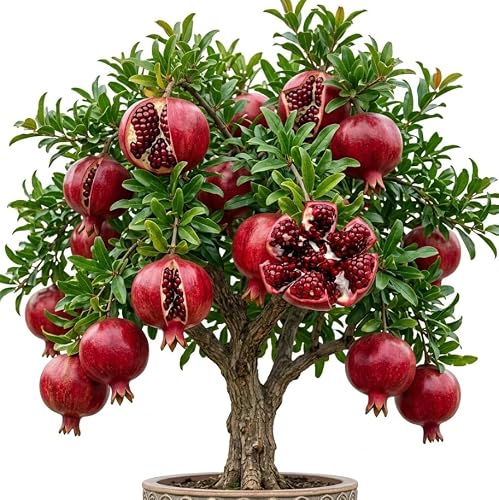
Each order includes a live red pomegranate plant, carefully grown and ready to thrive in your garden or home.

1. Peel the fruit directly and remove the seeds.
Apple Trees
Apple trees like ‘Granny Smith’ and ‘Golden Delicious’ are self-pollinating. They can develop fruit without another tree nearby. However, planting a second variety often leads to larger yields. Choose an open, sunny spot for optimal growth. Regular pruning enhances airflow and fruit production.
Cherry Trees
Many cherry varieties are self-pollinating, especially ‘Stella’ and ‘Sam.’ These trees bear fruit with minimal cross-pollination needs. Select a well-drained soil to promote healthy roots. Mulching helps retain soil moisture, aiding growth and fruit development.
Apricot Trees
Apricot trees, such as ‘Tilton’ and ‘Katy,’ are also self-pollinating. These trees produce sweet fruit without the need for another tree. Full sun exposure ensures higher yields. Water regularly, especially during dry spells, to support fruit set.
Peach Trees
Peach trees like ‘Elberta’ and ‘Redhaven’ thrive as self-pollinators. These trees yield tasty peaches even when planted alone. Ensure they receive at least six hours of sunlight daily. Fertilizing in early spring supports healthy growth and fruiting.
Factors Influencing Self-Pollination
Self-pollinating fruit trees thrive under specific conditions. Several factors play a crucial role in their ability to produce fruit independently.
Recommended Products

*Due to California Department of Agriculture, we cannot ship this item to the state of California*
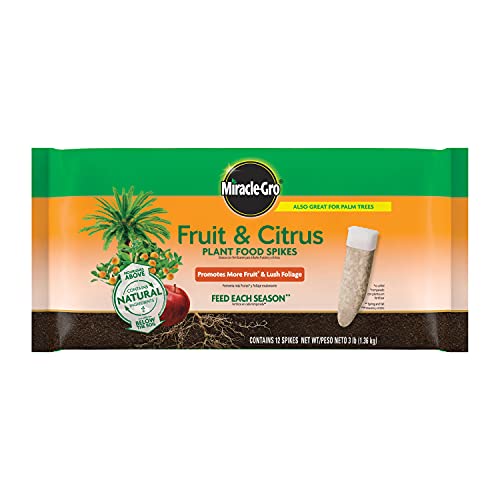
FORMULATED FOR CITRUS AND FRUIT TREES: Use these citrus fertilizer spikes on apple, orange, lemon, lime, and avocado trees; this formula is also great for feeding palm trees

MATURE SIZE & CARE GUIDE: Brown Turkey Fig, versatile and self-pollinating, grows 15-30 feet tall in full sun. Thrives in well-drained soil (Zones 7-10). Fruits late July to late fall, even after freeze damage.
Climate and Weather Conditions
Climate significantly impacts self-pollination. Warm temperatures during blooming enhance pollen viability. Ideal conditions include temperatures between 60°F and 75°F. Cold snaps or heavy rain can hinder pollen transfer, limiting fruit production. For example, if temperatures drop below freezing during the flowering period, trees like apricots may experience reduced yields. Additionally, consistent moisture without waterlogging supports healthy tree development and effective pollination.
Tree Health and Maintenance
Tree health directly influences self-pollination efficiency. A well-cared-for tree tends to produce more flowers, increasing the chances of fruiting. Regular pruning encourages airflow and sunlight penetration, essential for healthy blooms. Fertilizing with balanced nutrients aids flower production. Insufficient nutrients can lead to fewer blossoms, reducing fruit set. For instance, using a slow-release fertilizer in early spring boosts nutrient availability when flowers develop. Monitoring for pests and diseases also ensures trees remain robust, further supporting self-pollination success.
Conclusion
Growing self-pollinating fruit trees can be a game changer for your garden. With the ability to produce fruit on their own you can enjoy a bountiful harvest even in limited space. Whether you choose cherries peaches or figs you’ll find that these trees make gardening more accessible and rewarding.
By selecting the right varieties and providing them with proper care you’ll set yourself up for success. Regular maintenance and attention to their needs will ensure your trees thrive. So go ahead and plant those self-pollinating trees and watch your garden flourish with delicious fruits. Happy gardening!
Frequently Asked Questions
What are self-pollinating fruit trees?
Self-pollinating fruit trees are varieties that can fertilize their own flowers without needing another tree for pollination. This allows them to produce fruit independently, making them ideal for gardeners with limited space.
What are some examples of self-pollinating fruit trees?
Common examples include cherries like ‘Stella,’ peaches such as ‘Elberta,’ plums like ‘Methley,’ figs like ‘Brown Turkey,’ and apple trees like ‘Granny Smith’ and ‘Golden Delicious.’
Why choose self-pollinating trees for gardening?
Self-pollinating trees simplify fruit production, allowing gardeners to grow fruit even in small spaces. They can thrive independently, reducing the need for multiple trees and making gardening more accessible.
How do I ensure my self-pollinating fruit trees produce well?
To enhance production, choose the right varieties, provide proper care, ensure at least six hours of sunlight daily, and perform regular pruning and fertilization. Healthy trees yield more fruit.
What factors affect self-pollination success?
Key factors include climate and weather conditions, such as blooming temperatures and potential cold snaps. Additionally, tree health, pest control, and maintenance are crucial for maximizing fruit production.
