

Have you ever admired a flowering plum tree in full bloom and wondered if it actually produces fruit? You’re not alone! Many people enjoy the stunning display of blossoms but are curious about whether these trees bear edible fruit.
In this article, you’ll uncover the truth about flowering plum trees and their fruit production. Understanding their characteristics can help you decide if this tree is a good fit for your garden or landscape. By the end, you’ll have a clearer picture of what to expect from these beautiful trees and how they can enhance your outdoor space.
Key Takeaways
- Flowering plum trees (genus Prunus) are valued for their breathtaking blossoms, which typically appear in shades of pink and white, enhancing garden aesthetics.
- While these trees do produce fruit, the majority yield small, inedible drupes that are unsuitable for human consumption, although they can attract wildlife.
- Different cultivars, such as Prunus cerasifera ‘Krauter Vesuvius’ and ‘Thundercloud,’ showcase varying attributes, including leaf color and flower type, allowing for customization based on landscape needs.
- Flowering plum trees thrive in well-drained soil and full sun, making them low-maintenance options that adapt well to diverse growing conditions.
- These trees contribute to biodiversity by attracting pollinators like bees, while their visual appeal and environmental benefits enhance both the garden and local ecosystems.
Overview Of Flowering Plum Trees
Flowering plum trees belong to the genus Prunus and are known for their stunning blossoms. These small to medium-sized trees typically reach heights of 15 to 30 feet. They display vibrant flowers in shades of pink and white during spring, contributing beauty to gardens and landscapes.
You might notice the striking foliage. Leaves are often oval-shaped and range from green to deep burgundy, depending on the variety. This colorful display enhances visual interest even after the blooms fade.
While flowering plum trees are celebrated for their ornamental qualities, their fruit-bearing capacity isn’t typical. It’s essential to recognize that these trees generally produce small, inedible drupes. Some varieties may yield fruits that attract wildlife but aren’t suitable for human consumption.
When considering planting a flowering plum tree, think about your growing conditions. These trees thrive in well-drained soil and full sun exposure. They tolerate drought once established, making them low-maintenance options for many landscapes.
You may want to explore various cultivars. For example, the Prunus cerasifera ‘Krauter Vesuvius’ boasts dark purple leaves and striking pink flowers, while ‘Thundercloud’ features light pink blossoms and bronze foliage. Each variety showcases unique attributes, ensuring you find a suitable option for your aesthetic preferences.
Recommended Products

Cherry Plum Seeds for Planting: Grow Prunus cerasifera from flowering fruit tree seeds for early spring blossoms, attractive foliage and small plum like fruits. These tree seeds are ideal for edible landscapes, home orchards, ornamental gardens and specimen tree projects

STUNNING ORNAMENTAL SHRUB: Flowering Almond (Prunus Triloba) is a beautiful Chinese native shrub to small tree that produces abundant pink flowers in March-April followed by red berries June-August.
Characteristics Of Flowering Plum Trees
Flowering plum trees offer visual splendor and unique variations. Understanding their specific traits helps you choose the right tree for your garden.
Recommended Products
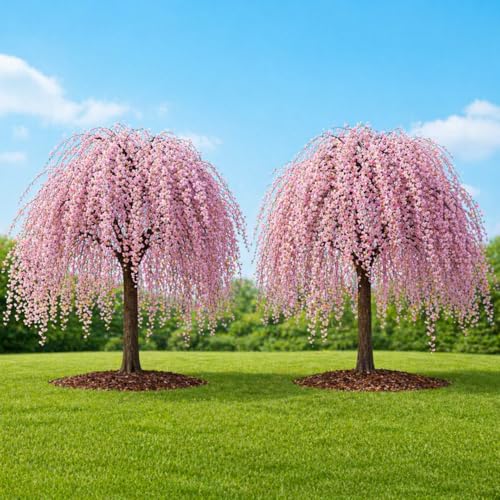
WHAT YOU WILL RECEIVE: 2 Cherry blossom tree live plant approximately 6 - 12 inches tall, prepared for transplanting into garden soil or outdoor containers

Material: plastic; Size:10.3*10.3*2cm(approx.)

For sale is one flowering almond shrub that is approximately 6-12" tall and shipped in a quart pot
Varieties Of Flowering Plum Trees
Several varieties of flowering plum trees exist, each showcasing distinct qualities.
- Prunus cerasifera ‘Krauter Vesuvius’: This cultivar features deep burgundy leaves and stunning pink blossoms. It’s known for its rounded shape and compact growth.
- Prunus cerasifera ‘Thundercloud’: This variety produces beautiful pink flowers and dark, glossy leaves. It reaches heights of up to 25 feet, making it a great focal point in landscapes.
- Prunus × blireiana: Known for its fragrant double pink flowers, this tree offers a striking display. Its compact size makes it suitable for smaller gardens.
Choosing a variety depends on your landscape needs, space availability, and aesthetic preferences.
Visual Appeal And Blossoms
The visual appeal of flowering plum trees captivates homeowners and gardeners alike.
- Blossoms: Flowering plum trees flourish with blossoms in early spring, usually before or as the leaves emerge. These flowers range from pale pink to deep magenta, creating a stunning display.
- Foliage: Leaves typically vary from green to burgundy, adding beauty throughout the seasons. The change in color offers dynamic appeal as leaves mature.
- Form: These trees often have a rounded canopy that provides a lovely silhouette. The combination of blossoms and foliage makes them standout features in any garden.
Consider planting flowering plum trees for their enchanting blossoms and striking foliage, enhancing the charm of your outdoor space.
Fruit Production In Flowering Plum Trees
Flowering plum trees produce fruit, but the nature of that fruit varies widely among different cultivars. These trees typically develop small, inedible drupes, although some varieties may yield fruit that wildlife can enjoy.
Recommended Products

American Red Plum (Prunus americana): The American Red Plum is a common shrub or small tree, often found along roadsides. Fruits are yellow to red in color and used for jellies and jams. Found from Massachusetts to Manitoba, South to Georgia, New Mexico and Utah

Versatile Fruit Use: The plums produced can be eaten fresh as a snack and are well-suited for home kitchen projects like creating preserves, jams, and baked goods.

For sale is an American Plum tree that is approximately 6-12 inches tall
Factors Affecting Fruit Production
- Cultivar Type: Different varieties of flowering plum trees have varying capacities for fruit production. For example, Prunus cerasifera ‘Krauter Vesuvius’ primarily focuses on ornamental qualities, producing minimal fruit.
- Pollination: Successful pollination enhances fruit set. Nearby compatible trees can improve fruit yields through cross-pollination.
- Growing Conditions: Well-drained soil, adequate sunlight, and proper watering significantly impact fruit development. Healthier trees in optimal conditions produce more fruit.
- Tree Age: Younger trees may not produce fruit until they mature. Typically, flowering plum trees start bearing fruit around 3 to 5 years old.
- All Flowering Plums Produce Edible Fruit: Many people assume flowering plum trees yield edible harvests. In reality, most varieties produce small, inedible drupes that aren’t suitable for human consumption.
- Fruit Is Always Present: Some flowering plum trees may not produce fruit every year, depending on environmental factors, tree health, and age. A lack of fruit doesn’t indicate a failure.
- All Varieties Attract Wildlife: While some varieties attract birds and insects with their fruit, others do not. Research specific cultivars to understand their wildlife appeal.
Benefits Of Growing Flowering Plum Trees
Growing flowering plum trees offers numerous advantages for your garden or landscape. These trees provide aesthetic appeal, support local wildlife, and require minimal upkeep.
Visual Appeal
Flowering plum trees create stunning displays in spring. Their delicate pink and white blossoms transform your garden, bringing vibrant color to the landscape. The dynamic foliage, which shifts from green to shades of burgundy, adds year-round interest.
Wildlife Attraction
These trees play a significant role in attracting wildlife. The small, inedible fruits appeal to birds and various pollinators. You’ll often find bees buzzing around the blossoms, enhancing pollination in your garden and promoting biodiversity.
Low Maintenance
Flowering plum trees thrive with minimal care. Once established, they adapt well to different conditions, requiring less water and fertilizer. Regular pruning helps maintain their shape and encourages healthy growth, making them a practical choice for busy gardeners.
Versatile Landscaping Options
With various cultivars available, flowering plum trees fit diverse landscaping styles. Whether you prefer a compact tree like Prunus × blireiana for smaller spaces or the more robust ‘Krauter Vesuvius’ for larger gardens, you can find the perfect match for your aesthetic.
Environmental Benefits
Planting flowering plum trees contributes positively to your environment. They improve air quality, provide shade, and reduce soil erosion through their root systems. Plus, they offer a habitat for various species, helping to sustain local ecosystems.
Consider adding a flowering plum tree to your garden for its beauty and benefits. Each tree enhances your outdoor space and supports nature, making it a worthwhile investment.
Conclusion
Flowering plum trees are a fantastic addition to your garden if you’re looking for beauty and low maintenance. While they may not produce edible fruit for you, their stunning blossoms and vibrant foliage create an eye-catching display throughout the seasons. Plus, they offer a welcoming habitat for local wildlife.
When you choose the right cultivar for your space you can enjoy the unique characteristics that each variety brings. Whether you’re drawn to the deep burgundy leaves of the ‘Krauter Vesuvius’ or the fragrant blooms of ‘Thundercloud’ there’s a flowering plum tree that can enhance your landscape. Embrace the charm of these trees and watch your outdoor space come alive with color and life.
Frequently Asked Questions
Do flowering plum trees produce edible fruit?
Flowering plum trees generally produce small, inedible drupes. While some varieties may yield fruit, it is typically not suitable for human consumption and is instead enjoyed by wildlife.
What are the ideal growing conditions for flowering plum trees?
Flowering plum trees thrive in well-drained soil and require full sun exposure. Once established, they are low-maintenance and can adapt to various conditions with minimal care.
How tall do flowering plum trees grow?
These trees typically reach heights of 15 to 30 feet, making them suitable for various garden sizes and landscape designs.
What are some popular cultivars of flowering plum trees?
Notable cultivars include Prunus cerasifera ‘Krauter Vesuvius’ featuring deep burgundy leaves and pink blossoms, and ‘Thundercloud’ known for its glossy leaves and beautiful flowers.
When do flowering plum trees bloom?
Flowering plum trees bloom in early spring, showcasing stunning blossoms in shades of pink and white that enhance the beauty of gardens.
Can flowering plum trees support local wildlife?
Yes, flowering plum trees attract birds and pollinators, providing food and habitat that support local ecosystems while adding visual interest to your landscape.
What benefits do flowering plum trees offer?
In addition to their aesthetic appeal, flowering plum trees improve air quality, provide shade, reduce soil erosion, and require minimal maintenance, making them a great addition to any garden.
