

Have you ever watched helplessly as animals munch on your precious fruit trees? It’s frustrating to put in all that effort only to see your hard work vanish in a flash. Whether it’s squirrels, deer, or birds, these critters can turn your garden dreams into a nightmare.
Key Takeaways
- Identify Common Threats: Recognize and understand the various animals that can damage your fruit trees, such as squirrels, deer, birds, rabbits, and raccoons.
- Signs of Animal Activity: Regularly inspect your trees for signs of damage, including bite marks, gnawing on bark, and dropped fruits, to catch problems early.
- Implement Physical Barriers: Use fencing, tree guards, and netting to physically protect your trees from herbivores and birds.
- Utilize Repellents: Apply commercial or homemade repellents and consider using motion-activated devices to deter animals from approaching your fruit trees.
- Practice Companion Planting: Grow strong-scented plants and herbs that repel unwanted pests, helping to create a natural defense around your fruit trees.
- Engage with the Community: Share knowledge and strategies with neighbors to enhance collective protection efforts and promote effective gardening practices in your area.
Understanding the Threats to Fruit Trees
Protecting your fruit trees starts with understanding the various threats they face from animals. Identifying these threats allows you to take effective measures against them.
Common Animals That Damage Fruit Trees
- Squirrels: Squirrels often strip the bark from twigs and branches. They seek out ripe fruits, causing significant loss.
- Deer: Deer can consume entire trees. They nibble on the leaves and buds, stunting growth and reducing fruit yield.
- Birds: Birds, such as robins and starlings, peck at ripening fruits, creating openings for rot and diseases.
- Rabbits: Rabbits may gnaw on young tree bark. This can girdle the tree, hindering its ability to transport nutrients.
- Raccoons: Raccoons often raid trees for fruit, leading to damaged branches and fallen fruit.
- Bite Marks: Small bite marks on fruits or stems indicate animal activity. Inspect your trees regularly for these signs.
- Gnawing on Bark: Check for areas where animals have shredded or chewed the bark. This might expose the tree to disease.
- Dropped Fruits: If you notice unripe or eaten fruits on the ground, animals may be taking advantage of your labor.
- Tracks and Scat: Look for animal tracks or droppings around your trees. These can reveal which animals are visiting.
- Branches and Foliage Damage: Observe for missing leaves or broken branches. Heavy feeding often leads to visible damage.
Understanding these common threats and signs helps you take the right precautions to protect your fruit trees.
Effective Methods to Protect Fruit Trees
Protecting your fruit trees from animals involves a combination of physical barriers, repellents, and companion planting strategies. Implementing these methods ensures your trees remain healthy and productive.
Physical Barriers
Use physical barriers to keep animals away from your fruit trees effectively. Options include:
- Fencing: Install tall fences (at least 8 feet high) around your orchard. Choose materials like wire or welded mesh to deter deer and larger animals.
- Tree Guards: Wrap young trees in plastic or metal tree guards to shield the bark from gnawing rabbits, squirrels, and other pests.
- Netting: Cover your fruits with bird netting to stop birds from pecking at ripe fruit while still allowing sunlight and rain to reach them.
Repellents and Deterrents
Utilize various repellents to discourage animals from approaching your fruit trees. Here are some effective options:
- Commercial Repellents: Apply scents or sprays that contain ingredients like capsaicin or predator urine. These products confuse or repel animals like deer and raccoons.
- Homemade Solutions: Make your own repellent using ingredients like vinegar, garlic, or hot pepper. Spray this mixture around the base of your trees or on nearby foliage.
- Motion-Activated Devices: Consider using motion-activated sprinklers or lights. The sudden movement or noise can startle animals, keeping them at bay.
Companion Planting Strategies
Incorporate companion planting to create a natural defense against pests. Some effective strategies include:
- Strong-Scented Plants: Grow garlic, chives, or marigolds near your fruit trees. Their odors can deter pests like rabbits and deter browsing by larger animals.
- Repellent Herbs: Plant mint, lavender, or rosemary to repel pests and provide some aromatic benefits. These plants discourage rabbits and other small animals from venturing close.
- Diversity: Maintain a diverse ecosystem in your garden. By planting various species around your fruit trees, you reduce the chances of attracting specific pests and encourage beneficial insects.
Implementing these methods improves the chances of protecting your fruit trees from unwanted animal damage while ensuring a fruitful harvest.
Best Practices for Long-Term Protection
Protecting your fruit trees from animals requires ongoing care and vigilance. Implementing the following best practices can help you create a lasting defense against pests.
Recommended Products

Size: Deer netting size 7 feet x 100 feet; garden netting mesh size 3/4"; color: black; Easy to use accessories included: 10pcs installation nails & 50pcs cable ties

【Perfect size】(Garden Netting size 13ftX130ft, Mesh Size 0.8inchX0.8inch), Protect fruit tree plant blueberry strawberry from animals
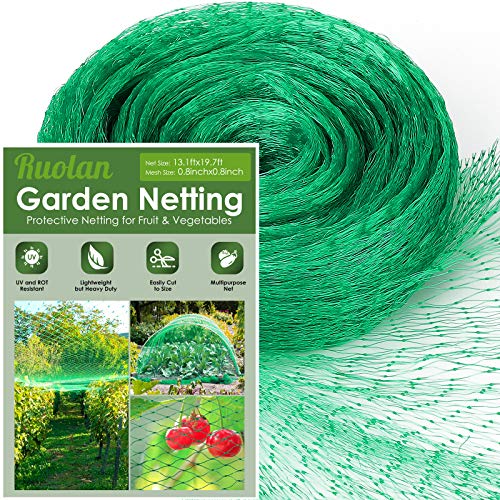
【Perfect size】(Garden Netting size 13ftX20ft, Mesh Size 0.8inchX0.8inch), Protect fruit tree plant blueberry strawberry from animals
Regular Monitoring and Maintenance
Regularly check your fruit trees for signs of animal activity. Inspect branches, bark, and fruit for damage or bite marks. Schedule these inspections weekly, especially during the growing season.
Maintain your protective measures consistently. Repair any holes in fencing or bird netting and replace any damaged tree guards. Keeping pathways clear around your trees discourages animals from approaching.
You can also track local animal populations. Observe which animals frequent your area to adjust your protection strategy as needed. Wildlife patterns can change, so being proactive ensures better protection.
Educating the Community
Educate your neighbors about fruit tree protection. Share your experiences and invite discussion on effective methods. You can host community workshops focused on best practices, such as creating barriers and using repellents.
Encourage neighbors to maintain their yards and gardens, as this reduces the overall attractiveness of the area for animals. Promote the idea of planting companion plants that deter pests. Establishing a local gardening group can help keep everyone informed and motivated.
By fostering a community-driven approach, you’ll create a unified front against common threats to fruit trees. Together, these efforts enhance the protection of your fruit trees while promoting a healthy gardening environment.
Conclusion
Protecting your fruit trees from animals doesn’t have to be a daunting task. By understanding the threats and implementing a mix of barriers and repellents you can create a safe haven for your trees. Regular monitoring and maintenance are key to staying ahead of any potential damage.
Don’t forget the power of community. Sharing tips and experiences with fellow gardeners can lead to new ideas and strategies. Together you can foster a supportive environment that not only protects your trees but also enhances the overall gardening experience. With a little effort and vigilance your fruit trees can thrive and reward you with bountiful harvests. Happy gardening!
Frequently Asked Questions
What animals commonly damage fruit trees?
Animals like squirrels, deer, birds, rabbits, and raccoons are known for damaging fruit trees. Squirrels strip bark and seek ripe fruits, deer consume whole trees, birds peck at ripening fruits, rabbits gnaw on young bark, and raccoons raid trees for fruit.
How can I identify signs of animal damage on my fruit trees?
Signs of animal damage include bite marks, gnawing on bark, dropped fruits, animal tracks and scat, and visible damage to branches and foliage. Regular inspection helps catch these signs early.
What protective measures can I take against these pests?
To protect fruit trees, use physical barriers like tall fencing and tree guards, apply repellents (commercial or homemade), and implement companion planting with strong-scented plants to deter pests.
Are there homemade repellents I can use for fruit trees?
Yes! You can create homemade repellents using ingredients like vinegar, garlic, and hot pepper. These can deter animals when sprayed around the tree and its surrounding area.
How often should I inspect my fruit trees for damage?
Regular inspections are crucial. It’s recommended to check your fruit trees at least once a week for signs of animal activity and to maintain protective measures consistently.
Why is community involvement important for protecting fruit trees?
Community involvement fosters a collaborative approach, allowing gardeners to share experiences, host workshops, and promote effective practices. This unified effort can enhance the overall protection of fruit trees in the area.
