

Ever wondered how much fruit a pawpaw tree can actually produce? If you’re considering planting one or just curious about this unique fruit, you’re in the right place. Pawpaw trees are known for their delicious, custard-like fruit, but their yield can vary quite a bit depending on several factors.
Key Takeaways
- Pawpaw Tree Overview: Pawpaw trees (Asimina triloba) thrive in the eastern U.S. and prefer well-drained soil with partial shade, growing to 15-30 feet tall.
- Fruit Production Factors: Yield varies greatly with tree age; young trees (1-3 years) produce minimal fruit, while mature trees (5+ years) can yield 20-50 pounds annually.
- Optimal Conditions: To enhance fruit production, ensure well-drained, loamy soil, at least six hours of sunlight, and maintain consistent moisture.
- Pollination Importance: Plant multiple pawpaw trees to encourage cross-pollination and attract native pollinators for better fruit set.
- Harvesting Techniques: Harvest pawpaw fruit when it turns yellow-green and feels slightly soft; store in a cool place and consume within a week for best flavor.
- Variety Selection: Choosing productive varieties like ‘Sunflower’ or ‘Pawpaw Delight’ can significantly enhance fruit size and sweetness.
Overview of Pawpaw Trees
Pawpaw trees (Asimina triloba) thrive in the eastern United States, offering a unique fruit experience. You can find these trees in forests, where they prefer well-drained soil and partial shade. They grow to a height of 15 to 30 feet and feature glossy, oblong leaves that contribute to their attractive appearance.
Growing Conditions
To maximize fruit production, consider these growing conditions:
- Soil Type: Use well-drained, loamy soil rich in organic matter.
- Sunlight: Aim for at least six hours of sunlight daily, though partial shade can also benefit growth.
- Watering: Keep the soil consistently moist, especially during dry spells.
Pollination Methods
Pawpaw trees rely on specific pollinators for fruit set. You can enhance pollination success by:
- Planting Multiple Trees: Plant at least two or three trees to encourage cross-pollination.
- Attracting Pollinators: Create a friendly environment for native bees, beetles, and other pollinators by planting companion flowers nearby.
Expected Yield
The yield of pawpaw trees varies considerably based on factors like age, care, and environmental conditions:
- Young Trees: Expect minimal fruit production in the first 3 to 4 years.
- Mature Trees: Mature trees, typically over 6 years old, can produce 20 to 50 pounds of fruit each season.
Harvesting Tips
Pawpaw fruit ripens in late summer to early fall. When harvesting:
- Check for Ripeness: The fruit’s skin turns yellow-green. Gently press it; ripe fruit gives slightly.
- Handle Carefully: Pawpaw fruit bruises easily, so handle them gently after picking.
By understanding pawpaw trees’ specific needs and characteristics, you can enjoy their delightful fruit and successful cultivation.
Factors Influencing Fruit Production
Several factors impact the fruit production of pawpaw trees. Understanding these helps you achieve better yields.
Recommended Products
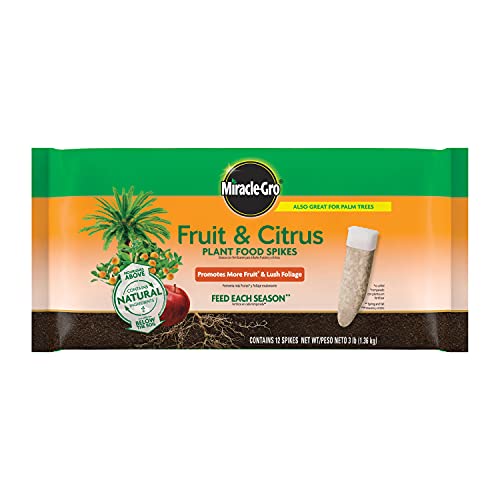
FORMULATED FOR CITRUS AND FRUIT TREES: Use these citrus fertilizer spikes on apple, orange, lemon, lime, and avocado trees; this formula is also great for feeding palm trees

Made for Lemon & Citrus Trees – Formulated to support healthy growth in lemon and citrus plants.

Down to Earth Fruit Tree is a five pound box of all natural fertilizer with 6-2-4 formula and is listed by the Organic Materials Review Institute (OMRI) for use in organic production
Age of the Tree
Younger pawpaw trees produce little to no fruit during their initial years. Typically, trees reach full maturity around five to eight years old. Once mature, they can yield 20 to 50 pounds of fruit annually. The age of your tree directly correlates with its productivity.
Variety of Pawpaw
Pawpaw trees come in different varieties, and each variety has unique characteristics. Some varieties, like ‘Sunflower’ and ‘Pawpaw Delight,’ bear larger, sweeter fruit. Choosing a productive variety contributes to overall yield. Researching and selecting the right variety for your climate can enhance fruit production.
Growing Conditions
Optimal growing conditions play a crucial role in pawpaw fruit production. These trees thrive in well-drained, loamy soil rich in organic matter. Ensure your trees receive at least six hours of sunlight daily, especially during the growing season. Consistently moist soil supports healthy growth but avoid overwatering. Consider planting near other pawpaw trees to improve cross-pollination, further increasing your yield.
Typical Yield of Pawpaw Trees
Pawpaw trees produce varying amounts of fruit based on their age and growing conditions. Understanding expected yields helps you plan for adequate harvests.
Recommended Products

Ships from Vermont

Versatile Fruit Use: Ripe Pawpaw fruit can be eaten fresh to experience its unique flavor and creamy texture. The pulp is also commonly used in making desserts, ice cream, smoothies, or baked goods, adding a North American touch to home recipes.

ESTABLISHED QUART STARTER: You receive a Pawpaw tree settled in a 1 quart pot. This established size is easy for you to handle and can be placed directly into your garden soil or a larger transition container.
Early Years of Production
In the early years, pawpaw trees produce minimal fruit. Young trees, typically between one to three years old, often yield little to no fruit. It’s common for them to start producing fruit around their third or fourth year, but the quantity remains low. You might expect tiny yields of about 1 to 5 pounds during this initial phase. Proper care, including good soil and adequate moisture, encourages healthy growth and prepares the tree for better future yields.
Mature Tree Production
Mature pawpaw trees, those around five to eight years old and older, produce significantly higher yields. On average, these trees can yield between 20 to 50 pounds of fruit per season. Some trees may even exceed this upper limit, offering 100 pounds of pawpaw fruit in optimal conditions. Varieties like ‘Sunflower’ and ‘Pawpaw Delight’ often yield more delicious, larger fruits, enhancing your harvesting experience. Always ensure you’re providing the right care and conditions to maximize fruit production. Regular pruning and nutrient management contribute to maintaining tree health and productivity, ensuring a fruitful harvest each season.
Harvesting Pawpaw Fruit
Harvesting pawpaw fruit requires attention to timing and handling methods. Pawpaw fruit ripens from late summer to early fall, typically between August and October, depending on your location and climate conditions. It’s best to harvest when the fruit feels slightly soft to the touch and emits a sweet aroma.
Recommended Products
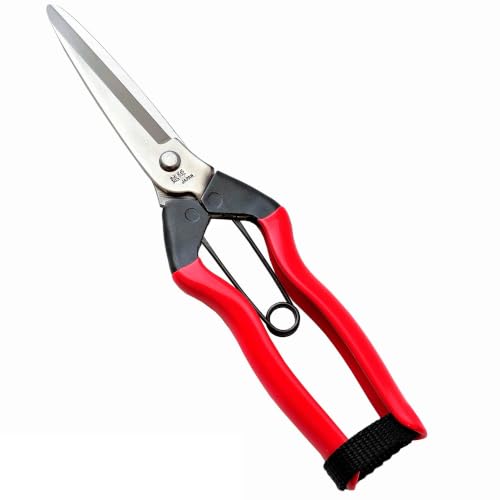
[JAPANESE HARVEST SCISSORS] Perfect gardening scissors for harvesting fruits and vegetables, trimming garlic and onion stems, and cutting roots. The rounded tips prevent accidental damage to fruits, allowing you to harvest cleanly without bruising or cutting the skin.
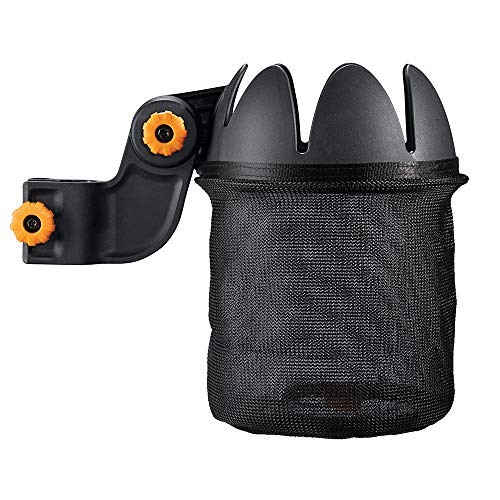
Fiskars Fruit Picker Basket harvests fruit from tall trees without bruising or scratching
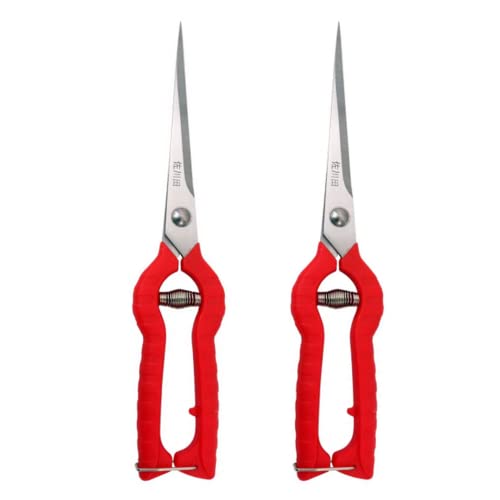
Total length : 245 mm blade length : 96 mm handle length : 122 mm closed handle width : 45 mm
Identifying Ripe Fruit
- Color: Look for a yellow or golden hue on the skin.
- Softness: Gently squeeze the fruit. It should yield slightly but not feel mushy.
- Aroma: A ripe pawpaw gives off a sweet, fruity scent.
Harvesting Technique
- Use Clean Tools: Use sharp, clean pruning shears or scissors to avoid damaging the tree.
- Cut Carefully: Cut the stem close to the fruit, ensuring minimal pressure on the fruit itself.
- Handle Gently: Avoid dropping the fruit as it’s prone to bruising. Place it in a soft cloth bag or basket.
Post-Harvest Care
- Storage: Store harvested pawpaw in a cool, dark place. Refrigeration can extend freshness but avoid freezing.
- Use Soon: Consume or process the fruit within a week for the best flavor and freshness.
- How do I know if the fruit is overripe?
Overripe pawpaw fruit will be very soft and may have a fermented smell. Discard any fruit showing signs of spoilage. - What if my fruit doesn’t ripen?
If fruit doesn’t ripen on the tree, place it in a paper bag with an apple or banana. The ethylene gas from these fruits can help accelerate the ripening process.
By following these steps and tips, you’ll ensure that you enjoy the full flavor of your pawpaw harvest.
Conclusion
Growing a pawpaw tree can be a rewarding experience filled with the joy of harvesting delicious fruit. With the right care and conditions you can enjoy a bountiful yield year after year. Remember to choose healthy varieties and consider planting multiple trees to boost pollination.
As you nurture your pawpaw tree through its early years you’ll be excited to see it flourish and eventually produce that sweet custard-like fruit. Whether you’re sharing it with friends or enjoying it yourself the pawpaw is sure to impress. Happy gardening and here’s to a fruitful journey ahead!
Frequently Asked Questions
What are pawpaw trees?
Pawpaw trees (Asimina triloba) are native to the eastern United States. They thrive in well-drained soil and partial shade, reaching heights of 15 to 30 feet. Their leaves are glossy and oblong, adding aesthetic appeal to gardens.
What does pawpaw fruit taste like?
Pawpaw fruit has a delicious, custard-like texture with a flavor reminiscent of banana and mango. Its sweetness makes it a unique and tasty treat, often enjoyed fresh or used in desserts.
How can I improve pawpaw fruit production?
To maximize pawpaw fruit production, plant multiple trees to encourage cross-pollination. Ensure they receive at least six hours of sunlight daily and grow in loamy, organic-rich soil. Consistent moisture also helps boost yields.
When is pawpaw fruit harvested?
Pawpaw fruit is typically ripe from late summer to early fall, between August and October. Look for fruits with a yellow hue, slight softness, and a sweet aroma for optimal harvesting.
How should I store pawpaw fruit?
For best flavor, store pawpaw fruit in a cool, dark place and consume it within a week. This ensures you enjoy the fruit at its peak ripeness and flavor.
Why aren’t my young pawpaw trees producing fruit?
Young pawpaw trees generally yield little to no fruit in their first few years. They reach maturity around five to eight years old, after which they start producing more fruit.
What varieties of pawpaw are best for fruit production?
Popular varieties like ‘Sunflower’ and ‘Pawpaw Delight’ are known for producing larger, sweeter fruits. Choosing the right variety can significantly influence your pawpaw harvest’s quality.
How do I ripen unripe pawpaw fruit?
To hasten the ripening of unripe pawpaw fruit, place it in a paper bag with an apple or banana. These fruits emit ethylene gas, which speeds up the ripening process.
