


After a big storm, you notice your walnut tree leaning.
You might be surprised to learn that even though walnut trees are tough, they can still be damaged by strong winds.
But how much damage can they take, and what can you do to protect them?
Let's find out.
Key Takeaways
- Walnut trees are vulnerable to wind damage due to their large, spreading canopy and shallow root systems.
- Regular pruning and strategic planting can enhance the wind resistance of walnut trees.
- Signs of wind damage in walnut trees include broken branches, splits or cracks in the trunk, uprooting or loosening of the soil around the base, torn or tattered leaves, and overall canopy irregularities.
- Preventing wind damage to walnut trees involves selecting a suitable location, planting trees in groups, regular pruning, and installing support systems for young trees.
Vulnerability of Walnut Trees to Strong Winds
When strong winds hit, walnut trees can be particularly vulnerable to damage due to their large, spreading canopy and shallow root systems. The structure of walnut trees makes them less wind-resistant compared to other tree species. Their broad canopy acts as a sail, catching the full force of the wind and making them susceptible to uprooting or limb breakage.
Additionally, their shallow root systems provide less anchorage, further increasing their vulnerability. To mitigate these risks, it's important to provide proper care and maintenance to walnut trees. Regular pruning to reduce the weight and wind resistance of the canopy can help decrease the likelihood of damage during storms.
Moreover, strategic planting and support systems can also enhance the wind resistance of walnut trees, safeguarding them against potential wind-related harm.
Impact of Strong Winds on Walnut Trees
To understand the impact of strong winds on walnut trees, it's essential to recognize their vulnerability to wind damage due to their unique structure and root system. When strong winds hit walnut trees, their large, broad canopies can act as sails, catching the wind and putting stress on the trunk and branches. This can lead to breakage or uprooting, especially in older or weakened trees.
Proper tree support, such as staking or cabling, can help mitigate the impact of strong winds on walnut trees. Additionally, selecting wind-resistant species or planting trees in groups to provide mutual support can also lessen the effects of strong winds.
Understanding the potential impact of strong winds on walnut trees is crucial for proper tree care and management.
Signs of Wind Damage in Walnut Trees
Inspect your walnut trees for the following signs of wind damage to ensure their health and stability.
- Look for broken branches, particularly those hanging or partially detached, as they pose a risk of falling.
- Check for splits or cracks in the trunk, which can weaken the tree's structure.
- Additionally, examine the root system for any signs of uprooting or loosening of the soil around the base. Leaning or tilting of the tree may indicate root damage caused by strong winds.
- Keep an eye out for torn or tattered leaves, as this can be a sign of wind stress.
- Lastly, inspect the overall canopy for any irregularities or imbalance, as this could indicate structural damage.
Regularly detecting damage and addressing it promptly will contribute to your walnut tree's long-term health.
Preventing Wind Damage to Walnut Trees
To prevent wind damage to your walnut trees, it's crucial to implement strategic planting and maintenance techniques. Consider these key strategies:
- Wind Resistant Planting: Choose a suitable location for planting walnut trees, such as near a building or other trees that can provide natural windbreaks. Additionally, consider planting trees in groups to create a barrier against strong winds.
- Proper Pruning Techniques: Regularly prune your walnut trees to remove dead or weak branches that are more susceptible to wind damage. This will help the tree develop a strong and stable structure to withstand strong winds.
- Support Systems: Install support systems such as stakes and ties for young walnut trees to help them establish a sturdy root system and trunk, reducing the risk of wind damage.
Recommended Products

Perfect Tree Staking Kit: Our tree stake straight kits set includes 3 PCS tree strap ties for staking, 3 PCS steel tree stakes, and a 31.2 feet length rope for anchoring. Detailed instructions are included in the product packaging. This is a complete kit that you don't need to buy any other related accessories.

Everything You Need is Included - Steel tree stake kits includes 3 steel stakes (11.8 inch), 3 straps (15.75 inch), and 3 ropes (13.12 FT) for anchoring. The diameter 4mm ropes come with aluminium tensioners for quick set up. Strong metal stakes without the worry of breaking in half or bending like plastic stakes, enough to hold the tree firmly. The straps are wide enough to spread the load so there's little chance that it will damage the bark or constrict the tree in any way
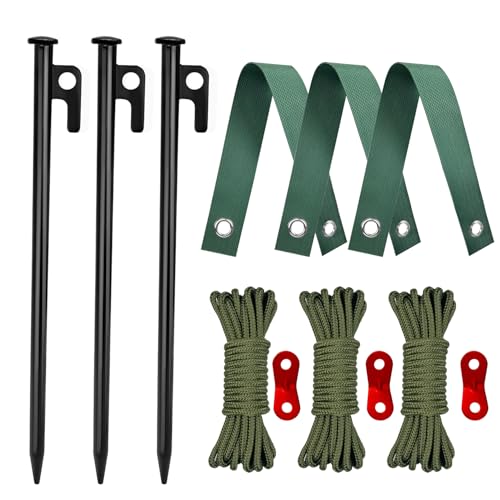
【Value Package】Package comes with 3pcs tree stakes,3pcs tree straps for staking and 3pcs ropes (each 13ft) with 3pcs aluminium tensioners. Complete tree stake kit enable your saplings to grow straight and healthy even in windy conditions
Recovering From Wind Damage in Walnut Trees
After a walnut tree has suffered wind damage, prompt action is essential to aid its recovery and promote new growth. Start by assessing the extent of the damage and then begin the rehabilitation process.
Pruning any broken or damaged branches won't only improve the tree's appearance but also prevent further issues. Proper pruning techniques and timing are crucial to minimize stress on the tree.
Additionally, focus on soil stabilization and root support. Compacted soil can hinder the tree's ability to recover, so aerating the soil and adding organic matter can help. Providing support to the roots through staking or bracing may also be necessary.
With these steps, you can significantly improve the walnut tree's chances of recovering from wind damage and thriving once again.
Recommended Products

Heat-Treated Serrated Saw Blade: 8" saw blade designed for efficient cutting of branches and tough materials, ensuring sharpness and durability.

Adjustable and Durable Handle - Extendable Loppers: The lopping shears are adjustable from 16 inches to 24 inches, allowing you to handle tall branches easily. The iron arm is more sturdy and durable, and will not bend even when cutting large and thick branches.

18″ Curved Steel Blade for Large Branches – Designed to cut limbs up to 10 inches in diameter, the curved blade keeps more teeth engaged for faster, smoother cuts through thick wood and heavy branches.
Conclusion
In conclusion, it's crucial to protect young and vulnerable walnut trees from strong winds to prevent damage.
By providing proper care and support, these trees can recover and thrive.
With the right attention and maintenance, walnut trees can withstand strong winds and continue to flourish in their environment.
