

Have you ever wondered if every olive tree you see will bear fruit? If you’re thinking about planting one or simply enjoy their beauty, this question might be on your mind. While olive trees are known for their lovely silvery leaves and gnarled trunks, not all of them produce those delicious olives we love.
In this article, you’ll discover the factors that determine whether an olive tree will yield fruit. You’ll learn about different varieties, growing conditions, and care tips to help you make the most of your olive tree experience. Whether you’re a seasoned gardener or just curious, understanding olive trees can enhance your appreciation for these charming plants.
Key Takeaways
- Not all olive trees produce fruit; factors like variety and growing conditions play a significant role in fruit production.
- Selecting the right olive tree variety, such as ‘Arbequina’ or ‘Manzanilla’, enhances your chances of a fruitful yield.
- Olive trees typically start bearing fruit between 3 to 5 years of age, with peak production occurring around 10 years.
- Proper growing conditions, including ample sunlight, well-drained soil, and appropriate watering practices, are crucial for fruiting success.
- Regular care, such as pruning and fertilization, can improve airflow and encourage olive tree flowering and fruiting.
- Cross-pollination can boost fruit production; planting different varieties nearby may significantly enhance yield.
Understanding Olive Trees
Olive trees, known scientifically as Olea europaea, belong to the family Oleaceae. These trees thrive in Mediterranean climates, characterized by hot, dry summers and mild, wet winters. While beautiful and resilient, not all olive trees produce fruit.
Factors Influencing Fruit Production
- Variety Selection: Some olive tree varieties, such as ‘Arbequina’ and ‘Manzanilla’, produce abundant fruit. Others, like ‘Mission’, might yield fewer olives. Selecting the right variety ensures better fruiting.
- Pollination: Most olive trees are self-pollinating, but some benefit from cross-pollination. Planting different varieties nearby increases fruit production significantly.
- Age of the Tree: Olive trees typically start bearing fruit after 3 to 5 years. Younger trees may not bear fruit, while mature trees often yield plentiful olives.
- Growing Conditions: Optimal sunlight, well-drained soil, and appropriate watering enhance fruit production. Full sun exposure (at least 6 hours daily) and proper irrigation practices promote healthy growth and abundant yields.
- Care and Maintenance: Regular pruning removes dead or overcrowded branches, improving airflow and light penetration. Fertilization, especially with potash, encourages flowering and fruiting.
- When Do Olive Trees Bear Fruit? Most olive trees start producing fruit around 3 years old, with better yields by year 5.
- Can You Grow Olive Trees in Containers? Yes, smaller varieties thrive in pots. Ensure your container has good drainage and enough space for root growth.
- What If My Olive Tree Doesn’t Produce? Check for environmental stressors, improper care, or insufficient light. Addressing these issues often leads to improved fruiting.
Understanding these key aspects of olive trees helps you appreciate their beauty and potential. By selecting the right variety and providing proper care, you can foster a thriving olive tree that bears fruit.
Olive Tree Varieties
Different olive tree varieties significantly influence fruit production. Some types thrive in specific climates and conditions, which impacts their yield. Understanding these varieties helps in choosing the right tree for fruiting success.
Recommended Products


The Olive Arbequinal plant produces an abundant harvest of flavorful olives, perfect for curing or pressing into high-quality olive oil.

Gourmet Home Gardening: Cultivate a taste of the Mediterranean in your own backyard with the Arbequina Olive Tree. This exquisite variety is renowned for its high-quality olives, perfect for homemade olive oil and culinary creations. Elevate your cooking experience with the authentic flavors of freshly harvested olives, right from your garden.
Common Varieties
- Arbequina: Renowned for its high oil content and consistent fruit production. Ideal for home gardens, it produces small, flavorful olives.
- Manzanilla: This variety produces small green olives, typically found in table olives. Known for its adaptability, it flourishes in various environments.
- Kalamata: Valued for its distinct almond shape and robust flavor. This Greek variety works well in Mediterranean climates and is excellent for both oil and table use.
- Frantoio: Known for its aromatic oil, this Italian variety requires specific conditions but yields exceptional quality olives.
- Leccino: Another Italian favorite, Leccino olives mature early, are disease-resistant, and produce versatile oil.
- Arbequina: Produces fruit early, typically within 3 years. The tree is small, making it suitable for limited spaces.
- Manzanilla: Ripens in late fall. Produces high-quality olives suitable for curing. You’ll notice its compact growth habit.
- Kalamata: Takes about 5 years to start producing. The tree is vigorous and features beautiful purple-black fruit.
- Frantoio: Commonly begins showing fruit at 4 years. The tree is hardy, with leaves that resist drought.
- Leccino: Yields fruit within 3 to 4 years. Known for its flexibility in soil type and climate, it adapts well to different environments.
Selecting the right olive tree variety based on your climate and desired use ensures optimal fruit production, enhancing your gardening experience.
Factors Influencing Fruit Production
Several key factors affect whether olive trees produce fruit. Understanding these factors helps you choose the right varieties and conditions for successful cultivation.
Recommended Products

✅ 🌿 Unleash Olive Tree Excellence: Our premium potting mix enhances growth, health, and productivity, resulting in flourishing olive trees.

100% Natural: Special custom blend for olive trees in containers

100% Natural: Special custom blend for olive trees in containers
Age of the Tree
Olive trees typically start producing fruit between 3 to 5 years of age. Younger trees may not yield fruit consistently. As trees mature, their fruit production becomes more reliable. For example, trees around 10 years old usually reach their peak production. Keeping the age of your tree in mind can help set realistic expectations.
Climate and Soil Conditions
Olive trees thrive in warm, Mediterranean climates. Ideal temperatures range from 60°F to 80°F. Cold winters can hinder fruit set, while excessive humidity can lead to disease. Well-draining soil is crucial; sandy or loamy soils work best. If your soil retains too much water, consider amending it with sand or gravel. These conditions significantly enhance fruit production and overall tree health.
Pollination Requirements
Most olive tree varieties are self-pollinating, but cross-pollination can boost yields. Having multiple trees can improve fruit set, as some varieties, like ‘Kalamata’, benefit from neighboring pollinators. Planting a compatible variety nearby may enhance production. Ensure optimal bloom times align for effective pollination and a fruitful harvest.
Do All Olive Trees Produce Fruit?
Not all olive trees produce fruit. The ability to bear fruit hinges on several factors, especially the tree’s variety and growing conditions.
Recommended Products
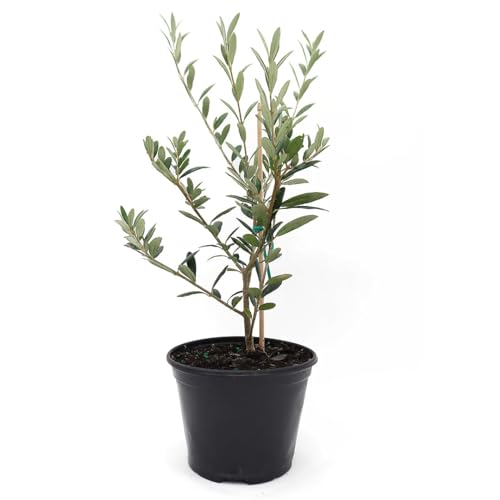
TIMELESS ELEGANCE: The Olive Tree is a symbol of timeless elegance and grace. With its slender, silvery leaves and twisting branches, this tree adds a touch of Mediterranean charm to any home. Embrace the beauty of ancient civilizations as you bring the allure of olive groves to your own garden or home.

SET OF 2 LIVE PLANTS: Includes two Olea Europaea (Arbequina) Olive Tree starter plants, ready to grow and establish in your garden or container.

VARIETY: Olea Europaea Arbequina is a classic European olive tree variety known for producing small, flavorful olives and elegant narrow foliage.
The Role of Cultivars
Cultivars significantly influence fruit production. Some popular cultivars include:
- Arbequina: Known for high oil content and abundant yields, starting production around 3 years.
- Manzanilla: Produces small green olives and adapts well to various climates, typically bearing fruit within 4-5 years.
- Kalamata: Highly regarded for its distinct flavor, usually begins fruiting after 5 years.
- Frantoio: Famous for its flavorful oil, fruits within 4-5 years and thrives in well-draining soil.
- Leccino: Disease-resistant and early maturing, ready for harvest in about 4 years.
Selecting the right cultivar based on climate and intended use optimizes fruiting potential.
Differences Between Wild and Cultivated Olive Trees
Wild olive trees (Olea europaea subsp. sylvestris) differ from cultivated varieties in several ways:
- Fruit Production: Wild trees may produce smaller yields and less consistent fruit than cultivated trees.
- Growth Conditions: Wild olives thrive in varied environments but don’t benefit from the care and cultivation practices used for cultivated trees.
- Longevity and Maturity: Wild trees often take longer to mature and bear fruit compared to their cultivated counterparts that receive proper management.
Understanding these distinctions helps in establishing realistic expectations for olive cultivation.
Conclusion
Not every olive tree will produce fruit and that’s perfectly okay. By understanding the specific variety you choose and the conditions you provide, you can set yourself up for success. Whether you’re aiming for a bountiful harvest or simply enjoying the beauty of the tree, there’s a lot to appreciate.
With the right care and attention, you can encourage your olive tree to thrive. Remember to consider factors like age, climate, and pollination to maximize your chances of fruit production. So go ahead and embrace the journey of growing olive trees, and enjoy every step along the way.
Frequently Asked Questions
Do all olive trees bear fruit?
Not all olive trees bear fruit. The ability to produce olives depends on the tree’s variety and the conditions in which it is grown. Cultivated varieties are more likely to produce fruit, while wild olive trees may yield less consistent results.
What factors influence olive tree fruit production?
Several factors impact olive tree fruit production, including the age of the tree, climate, soil conditions, and pollination. Trees typically start bearing fruit between 3 to 5 years, with peak production occurring around 10 years.
What are some popular olive tree varieties?
Popular olive tree varieties include ‘Arbequina’, known for high oil content; ‘Manzanilla’, small green olives; ‘Kalamata’, with rich flavor; ‘Frantoio’, for aromatic oil; and ‘Leccino’, early-maturing and disease-resistant.
How can I improve fruit production in my olive tree?
To improve fruit production, ensure optimal growing conditions such as well-draining soil and Mediterranean climate. Regular pruning, proper fertilization, and potentially cross-pollination can also enhance yields.
Can olive trees be grown in containers?
Yes, olive trees can be grown in containers, making them suitable for patios and small spaces. Choosing a dwarf variety and ensuring proper drainage will help promote healthy growth in a confined environment.
When do olive trees start producing fruit?
Olive trees typically start producing fruit between 3 to 5 years of age, depending on the variety and growing conditions. Some varieties may take longer to yield, so patience and care are essential.
