

Have you ever wondered why some trees don’t produce fruit? While fruit-bearing trees often steal the spotlight, non-fruit bearing trees play essential roles in our ecosystems. They provide shade, enhance landscapes, and support wildlife, yet they often go unnoticed.
Understanding these trees can help you appreciate their value and make informed choices for your garden or local environment. This article will introduce you to various non-fruit bearing trees, their characteristics, and the benefits they bring. By the end, you’ll see these trees in a whole new light and might even consider adding one to your own space.
Key Takeaways
- Understanding Non-Fruit Bearing Trees: These trees play crucial roles in ecosystems, contributing to biodiversity and enhancing landscapes without producing edible fruits.
- Key Characteristics: Non-fruit bearing trees exhibit distinct traits, including evergreen or deciduous leaf types, varied growth forms, and robust root systems that stabilize soil and prevent erosion.
- Ecological Benefits: They support wildlife habitats, provide shade, improve air quality, and help mitigate urban heat effects, making them valuable assets in any environment.
- Examples and Applications: Common non-fruit bearing trees include oaks, pines, maples, cedars, and birches, each offering unique characteristics and uses for landscaping and construction.
- Selecting and Caring for Trees: When incorporating non-fruit bearing trees, consider climate suitability, planting locations, and maintenance needs to ensure healthy growth and sustainability.
Overview of Non Fruit Bearing Trees
Non-fruit bearing trees play significant roles in both urban and natural ecosystems. These trees contribute to biodiversity, beautify landscapes, and provide various ecological benefits without producing edible fruits.
Key Characteristics of Non Fruit Bearing Trees
- Leaf Types: Many non-fruit bearing trees feature evergreen or deciduous leaves. Evergreens retain foliage year-round, while deciduous trees lose leaves seasonally, providing seasonal interest.
- Growth Forms: Non-fruit bearing trees include various shapes, like tall pines and broad oaks. These forms influence shade and habitat for wildlife.
- Root Systems: Robust root systems anchor trees, enhance soil stability, and prevent erosion. Species like willows have extensive roots, which help maintain water table levels.
Benefits of Non Fruit Bearing Trees
- Ecosystem Support: These trees offer homes for wildlife and facilitate nesting opportunities for birds. They contribute to overall ecosystem health.
- Shade Provision: Non-fruit bearing trees provide crucial shade in parks and residential areas, reducing heat island effects in cities and improving energy efficiency in nearby buildings.
- Pollution Reduction: Tree canopies trap airborne pollutants and filter harmful particulates, improving air quality.
Examples of Non Fruit Bearing Trees
| Tree Species | Characteristics | Common Uses |
|---|---|---|
| Oak | Deciduous, large, strong wood | Furniture, flooring |
| Pine | Evergreen, needle-like leaves | Timber, Christmas trees |
| Maple | Deciduous, vibrant fall color | Syrup production, shade |
| Cedar | Evergreen, aromatic | Fencing, outdoor furniture |
| Birch | Deciduous, white bark | Landscaping, crafts |
- Select Appropriate Species: Choose trees suited for your climate and space. Research local tree species or consult a nursery for recommendations.
- Consider Planting Location: Plant trees with ample room for growth. Ensure they won’t interfere with structures or utility lines.
- Plan for Maintenance: Non-fruit bearing trees typically require periodic pruning and care. Develop a maintenance plan to keep your trees healthy.
Incorporating non-fruit bearing trees into your environment increases biodiversity and enhances aesthetic appeal. By understanding their characteristics and benefits, you can make informed choices that contribute positively to your landscape.
Characteristics of Non Fruit Bearing Trees
Non-fruit bearing trees encompass various features that make them distinct and beneficial in many ecosystems. These trees often contribute significantly to their surroundings through their unique characteristics.
Leaf Structure
Leaf structure varies among non-fruit bearing trees, often adapting to environmental conditions. Many species possess broad, flat leaves that optimize photosynthesis, while others may have needle-like leaves, which reduce moisture loss. For instance, conifers like pines feature needle foliage that thrives in harsh climates. In contrast, deciduous trees like maples showcase wide leaves that provide shade during warm months and drop in fall, promoting nutrient cycling.
Growth Patterns
Growth patterns of non-fruit bearing trees differ by species, impacting their overall height, width, and form. Some trees exhibit slow growth, while others achieve significant heights rapidly. For example, oaks can live for centuries, growing gradually but robustly, developing wide canopies that provide excellent shade. Conversely, species like the weeping willow grow quickly and spread their branches dramatically, creating striking landscapes. These growth patterns influence their utility in urban planning and landscaping, affecting shade coverage and aesthetic appeal.
Types of Non Fruit Bearing Trees
Non-fruit bearing trees come in various forms, offering unique benefits for landscapes and ecosystems. Understanding the two main types—evergreen and deciduous—provides insight into their characteristics and uses.
Recommended Products


Evergreen Trees
Evergreen trees maintain their foliage throughout the year. They adapt well to various climates, providing year-round cover and shade. Common examples include:
- Pine Trees: These trees feature needle-like leaves, which reduce water loss and thrive in diverse soil types. They work well in landscapes, offering aesthetic appeal and wildlife habitat.
- Spruce Trees: Known for their symmetrical shape, spruce trees are popular in colder regions. They provide shelter for animals and act as windbreaks.
- Cedar Trees: With their aromatic wood and dense foliage, cedar trees add beauty to any space. They resist pests and can grow in poor soil conditions.
Deciduous Trees
Deciduous trees shed their leaves annually, making them distinct from evergreens. They typically display vibrant foliage during the autumn months, contributing to stunning landscape views. Examples include:
- Oak Trees: Renowned for their longevity and sturdy growth, oak trees can live for over 100 years. Their expansive canopies offer shade, making them excellent for parks and yards.
- Maple Trees: These trees produce striking fall colors. They provide habitat for various wildlife and can enhance the beauty of any landscape.
- Birch Trees: Recognized for their distinctive white bark, birch trees thrive in various conditions. Their ability to grow in poor soil enhances biodiversity by supporting numerous organisms.
Understanding these two types of non-fruit bearing trees allows you to select the ideal species for your project or garden. They promote beauty, biodiversity, and ecological balance, benefiting both the environment and your landscape.
Benefits of Non Fruit Bearing Trees
Non-fruit bearing trees offer numerous advantages that enhance ecosystems and human environments. They play vital roles in aesthetic appeal and environmental health.
Recommended Products

Harvest Season: Ripens through September and October, producing large, dark red fruit with sweet and juicy taste suitable for dessert cooking and fresh eating
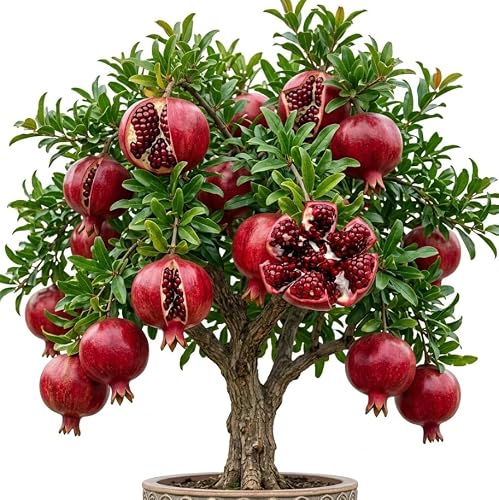
Each order includes a live red pomegranate plant, carefully grown and ready to thrive in your garden or home.

Planting and Care Instructions: Plant in well-drained, sandy-loam soil with full sun exposure. Regular watering, especially during dry periods, is crucial for fruit development. Pruning in late winter helps shape the tree and maintain air circulation. Apply a balanced fertilizer in spring
Aesthetic Value
Non-fruit bearing trees contribute significantly to the beauty of landscapes. Their varied shapes, sizes, and foliage colors allow for creative landscaping designs. For example, a row of tall, elegant evergreens can create a striking backdrop in gardens. Deciduous trees, like maples, showcase brilliant fall colors, adding seasonal interest. Consider planting trees like the flowering dogwood or Japanese maple for vibrant landscaping that attracts attention.
Environmental Impact
Non-fruit bearing trees provide essential ecological benefits. They support wildlife by offering habitats for birds, insects, and other animals. Trees like pines and spruces offer shelter and nesting sites. Their root systems stabilize the soil, reducing erosion and promoting water retention. Non-fruit bearing trees also improve air quality by filtering pollutants and producing oxygen. For instance, a single mature oak can absorb about 48 pounds of carbon dioxide each year, demonstrating their crucial role in combating climate change. These trees enhance biodiversity and contribute positively to overall environmental health.
Common Non Fruit Bearing Trees
Non-fruit bearing trees offer beauty and utility in a variety of settings. Here are common examples and their unique characteristics.
Recommended Products

Breathable Material: Made of lightweight non-woven fabric, our fruit tree shade net blocks sunlight while maintaining air circulation, effectively preventing sunburn for your plants during hot seasons

4 kinds of the most popular fruits, individually packaged, 50pcs Lemon seeds 50pcs Cherry seeds 50pcs Orange seeds 50pcs Apple seeds Fresh seeds, all fruit seeds are packed in tear and moisture resistant zipper sealed bags for your long term storage.

BEGINNER-FRIENDLY & EASY TO GROW – Perfect for first-time bonsai growers, simple planting and care instructions
Examples and Descriptions
- Oak: Known for its sturdy trunk and sprawling branches. Oaks support various wildlife and display vibrant fall colors.
- Maple: Recognized for stunning foliage. Maple trees provide shade and produce sap for syrup, despite not bearing fruit.
- Birch: Features distinct white bark and slender branches. Birches are often found in wooded areas and provide habitat for birds.
- Pine: An evergreen that retains needles year-round. Pines are resilient in colder climates and serve as windbreaks.
- Cedar: Another evergreen with aromatic wood. Cedars thrive in various soils and help maintain soil stability.
- Shade Provision: Non-fruit bearing trees create cool areas in gardens and parks, making outdoor spaces more comfortable.
- Wildlife Habitat: These trees host birds and insects, contributing to local ecosystems by providing nesting spots.
- Windbreaks: Tall, dense trees like pines effectively shield properties from harsh winds, improving energy efficiency in nearby structures.
- Aesthetic Appeal: Varieties like the maple and birch enhance landscaping with striking colors and textures throughout seasons.
- Erosion Control: The root systems of non-fruit bearing trees stabilize soil, particularly in areas prone to erosion.
Incorporating non-fruit bearing trees into your landscape provides ecological benefits while enhancing the visual appeal of your outdoor spaces.
Conclusion
Non-fruit bearing trees are more than just beautiful additions to your landscape. They play vital roles in supporting ecosystems and enhancing your outdoor spaces. By choosing the right species for your garden or community, you can enjoy the benefits of shade, improved air quality, and vibrant seasonal changes.
Whether you opt for the steadfast evergreen or the colorful deciduous variety, each tree brings unique characteristics that enrich your environment. As you consider incorporating these trees into your surroundings, remember their importance in promoting biodiversity and creating a healthier planet. Embrace the beauty and benefits of non-fruit bearing trees and watch your space flourish.
Frequently Asked Questions
What are non-fruit bearing trees?
Non-fruit bearing trees are species that do not produce edible fruits. They play critical roles in ecosystems by providing shade, enhancing landscapes, and supporting wildlife.
Why are non-fruit bearing trees important for the environment?
These trees contribute to biodiversity, stabilize soil, improve air quality, and provide habitats for various wildlife. They also play a role in mitigating climate change by absorbing carbon dioxide.
What are the two main types of non-fruit bearing trees?
The two main types are evergreens, which retain foliage year-round, and deciduous trees, which shed their leaves seasonally. Each type offers unique benefits and aesthetics.
Can you name some common non-fruit bearing tree species?
Common examples include oak, maple, birch, pine, and cedar. Each has distinct characteristics and offers specific environmental benefits.
How do I choose the right non-fruit bearing tree for my yard?
Consider your planting location, desired aesthetic, and the tree’s growth patterns. Research species that suit your climate and maintenance preferences for the best results.
What are the aesthetic benefits of non-fruit bearing trees?
These trees add beauty to landscapes through their varied shapes, sizes, and colorful foliage. They can create stunning autumn displays and provide attractive green cover throughout the year.
How do non-fruit bearing trees support wildlife?
They offer habitats and food sources for many species, from birds to insects. These trees create a balanced ecosystem, making them a vital part of local biodiversity.
How do leaf structures differ among non-fruit bearing trees?
Leaf structures vary; some trees have broad, flat leaves for effective photosynthesis, while others, like conifers, feature needle-like leaves to conserve moisture, promoting health across diverse climates.
