

Are you excited to grow your own fruit trees but unsure when to plant bare root varieties? You’re not alone! Many gardeners face this dilemma, wanting to ensure their trees thrive from the start. Timing is crucial for success, and knowing the best planting window can make all the difference.
Key Takeaways
- Best Planting Time: The ideal times to plant bare root fruit trees are early spring and late fall, depending on your climate, to minimize transplant shock and support healthy root establishment.
- Site Selection: Choose a spot with full sun, good airflow, and well-draining soil for optimal growth and fruit production.
- Soil Preparation: Conduct a soil test and amend accordingly, ensuring the soil is workable and nutrient-rich for robust tree health.
- Planting Process: Follow a careful planting process, ensuring the graft line is above soil level, backfilling gently, and watering thoroughly post-planting.
- Maintenance Best Practices: Regular watering, monitoring for pests, and avoiding fertilization until the next spring are crucial for nurturing young trees.
- Variety Research: Different fruit tree varieties may have specific planting times and care needs; researching these will enhance your gardening success.
Understanding Bare Root Fruit Trees
Bare root fruit trees are young trees sold with their roots exposed, without soil. This method allows for easier transport and planting, offering gardeners an affordable option for establishing fruit-bearing plants.
What Are Bare Root Fruit Trees?
Bare root fruit trees typically come in a dormant state. They include varieties like apple, pear, and peach trees. These trees are usually available in late winter or early spring. The absence of soil makes them lighter and helps gardeners inspect root health. You can plant them quickly, encouraging root establishment before the growing season.
Benefits of Bare Root Fruit Trees
Bare root fruit trees provide several advantages:
- Cost-Effective: These trees tend to cost less than container-grown varieties. You can save money while still getting quality plants.
- Easier to Handle: Without heavy soil, transporting and planting becomes simpler. You can manage larger quantities without much hassle.
- Early Planting: You can plant these trees while they’re still dormant. This timing allows trees to establish roots and grow more vigorously as temperatures rise.
- Better Root Development: Bare root trees often develop healthier root systems. You can support robust growth by planting during the ideal window.
- Diverse Varieties: Many uncommon varieties are available as bare root options. You can find and choose specific cultivars suited to your climate.
Understanding bare root fruit trees allows you to utilize their benefits effectively. You’ll increase your chances of success by selecting the right time and variety for your garden.
Timing Considerations
Knowing when to plant bare root fruit trees proves vital for their successful establishment. Proper timing enhances their growth potential and reduces stress during planting.
Recommended Products

Complete Orchard Starter Bundle: Receive 8 dormant bare root fruit trees with 2 each of Apple,Blueberry, Raspberry, Blackberry. A great way to start or expand a backyard orchard with a variety of delicious fruits.
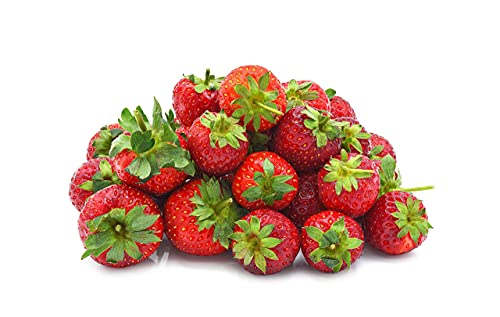
SEASCAPE STRAWBERRIES: Most productive variety that yields large, juicy, firm berries with excellent flavor throughout the harvest season

Best Seasons for Planting
For optimal results, early spring ranks as the best time for planting bare root fruit trees. This season allows trees to take advantage of warming soil and increased moisture. Dormant trees adapt better, minimizing transplant shock. If you miss early spring, consider planting in late fall before the ground freezes. This time encourages root establishment before winter dormancy.
Factors Influencing Planting Time
Several factors influence the ideal planting time for bare root fruit trees:
- Climate: In warmer regions, late winter or early spring works best. In colder areas, wait until the soil thaws.
- Soil Conditions: Ensure the soil is workable, free from frost, and moist but not soggy. Dry, compacted soil can hinder root growth.
- Tree Variety: Certain varieties, like apples and peaches, may thrive better when planted at specific times. Research your chosen varieties for optimal planting windows.
- Local Weather Patterns: Monitor weather forecasts. Late frosts can damage newly planted trees, so wait until the risk is low.
By keeping these factors in mind, you can ensure the best timing for planting your bare root fruit trees, leading to fruitful and healthy yields in your garden.
Preparation for Planting
Preparation is essential for successful planting of bare root fruit trees. Ensuring the right conditions sets the groundwork for healthy growth.
Recommended Products

Deep Root Irrigation with 4-Hole Design – Sharp stainless steel tip helps enter most garden soils, while the 4 side-hole outlet helps reduce clogging and delivers water or liquid fertilizer deeper into the root zone for backyard trees, fruit trees, and garden plants.

Let Your Plants Thrive with Dack Root Feeder.It is one of the finest tool available for feeding and watering trees shrubs rose and other gardenplants.Root Feeding is the best method of guaranteeing that both fertilizer and water will reach the plants feeding zone.

4-Hole Side Design: This high-performance tree watering spike makes it easy to deliver water and fertilizer directly to the root zone. The upgraded side-hole design helps improve watering efficiency, while the sharp tip makes it easy to push into hard or compact soil. The 4 side outlets help reduce clogging and distribute water more evenly for deep root watering and feeding.
Choosing the Right Location
- Assess sunlight: Select a spot with full sun exposure, at least 6-8 hours daily. This maximizes photosynthesis for better fruit production.
- Evaluate airflow: Choose an area with good air circulation to minimize disease risks and promote healthy growth.
- Consider drainage: Avoid low-lying or waterlogged spots. Ideally, plant in areas where water drains well to prevent root rot.
- Think about spacing: Allow enough room between trees for their mature canopy sizes. This ensures air circulation and access to sunlight.
- Test soil quality: Conduct a soil test for pH and nutrient levels. Most fruit trees thrive in slightly acidic to neutral pH (6.0-7.0).
- Amend the soil: Incorporate organic matter, such as compost or well-rotted manure. This improves soil fertility and structure.
- Dig a proper hole: Create a hole two times wider and slightly deeper than the root ball. This allows roots to spread and establish easily.
- Loosen compacted soil: Break up compacted soil at the bottom of the hole to encourage root growth. Use a shovel or garden fork for this task.
- Check for rocks: Remove any rocks or debris from the planting site. Clear soil promotes better root access and growth.
Following these guidelines helps set up a solid foundation for your bare root fruit trees, leading to robust growth and bountiful harvests.
Planting Process
Planting bare root fruit trees requires a careful approach to ensure healthy growth and fruit production. Follow these steps for optimal results.
Recommended Products

🍎 GROW YOUR OWN FRESH APPLES Enjoy homegrown fruit right from your backyard. Apple trees produce delicious, crisp apples perfect for fresh eating, baking, and cider.

🌱 4 Unique Fruit Bonsai Varieties: Includes 40 total seeds: 10 Papaya, 10 Peach, 10 Cherry, and 10 Banana seeds. A fun and unique collection for growing miniature fruit trees and experimenting with bonsai growing techniques.
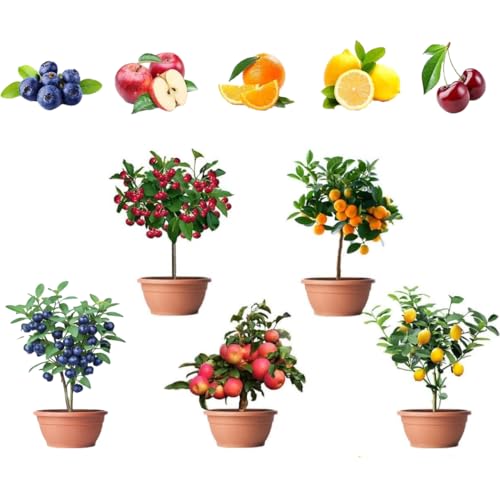
Variety Pack of 5 Fruits: Includes 40 Lemon seeds, 40 Orange seeds, 40 Apple seeds, 20 Cherry seeds, and 20 Blueberry seeds for a colorful and diverse home garden
Step-by-Step Guide to Planting
- Choose the Right Time: Aim for early spring or late fall, depending on your climate. Ensure the ground isn’t frozen or overly wet.
- Prepare the Site: Select a location with full sun, good airflow, and proper drainage. Remove rocks or debris from the area.
- Conduct a Soil Test: Assess pH and nutrient levels. If needed, amend the soil with organic matter like compost.
- Dig the Hole: Create a hole that’s twice as wide and deeper than the root system. Loosening the soil helps roots spread easily.
- Position the Tree: Place the tree in the hole, ensuring the graft line (swelling on the trunk) sits above the soil level.
- Backfill the Hole: Fill in the hole gently, firming the soil around the roots to eliminate air pockets. Water the tree thoroughly after backfilling.
- Mulch the Base: Add a layer of mulch around the base to retain moisture and regulate soil temperature, keeping it about 2-4 inches away from the trunk.
- Water Regularly: Keep the soil consistently moist, especially during the first growing season. Water deeply to encourage root growth.
- Monitor for Pests: Check for signs of pests or disease. Early detection is crucial for maintaining tree health.
- Prune Wisely: Lightly prune dead or damaged branches during the dormancy period. Proper pruning encourages robust growth.
- Fertilize Sparingly: Wait until the following spring to fertilize after planting. Use a balanced fertilizer suitable for fruit trees.
- Protect from Extreme Conditions: Shield young trees from harsh winds and extreme cold with barriers or wraps if necessary.
Implementing these steps helps promote strong root systems and fruitful trees, setting the stage for long-term success.
Conclusion
Planting bare root fruit trees at the right time can make all the difference in your gardening success. By aiming for early spring or late fall you give your trees the best chance to establish strong roots and thrive.
Remember to consider your local climate and soil conditions as you plan. With a little preparation and care your bare root trees will reward you with delicious fruit for years to come. Happy planting and enjoy the journey of growing your own fruit!
Frequently Asked Questions
When is the best time to plant bare root fruit trees?
The best time to plant bare root fruit trees is early spring when the soil is warming and moisture levels increase. This timing reduces transplant shock and encourages healthy growth. If missed, late fall is also a good option, provided the ground hasn’t frozen.
What are bare root fruit trees?
Bare root fruit trees are young trees sold with their roots exposed and dormant, making them easier to transport and plant. They are often more affordable and include varieties like apple, pear, and peach.
What are the benefits of planting bare root fruit trees?
Bare root fruit trees are cost-effective, easier to handle, and allow for early planting. They promote better root development and come in a variety of options, making them an excellent choice for gardeners.
How do I prepare for planting bare root fruit trees?
Preparation involves selecting a sunny location with good drainage and airflow. Conduct a soil test, amend the soil if necessary, dig a proper hole for the root ball, and ensure the planting site is clear of rocks and debris.
What steps should I follow for planting bare root fruit trees?
Key planting steps include choosing the right time, preparing the planting site, conducting a soil test, digging a suitable hole, positioning the tree, backfilling, mulching, and maintaining regular watering to promote healthy growth.
How can I ensure my bare root fruit trees thrive?
Monitor for pests, prune wisely, fertilize sparingly, and protect your trees from harsh conditions. Following proper planting and care guidelines will help establish strong roots and increase the chances of fruitful production.
