

Have you ever stepped outside to find your precious fruit trees stripped bare by raccoons? It’s frustrating to see all your hard work go to waste. You’re not alone—many gardeners face the same battle with these clever critters raiding their harvest.
Key Takeaways
- Understanding Raccoon Behavior: Raccoons are attracted to fruit trees due to their high sugar content, especially during their nocturnal foraging activities.
- Signs of Infestation: Common indicators of raccoon presence include dropped fruit, scat, damaged bark, and small footprints near the trees.
- Effective Prevention Strategies: Utilize physical barriers like sturdy fencing and tree guards, apply taste repellents, set up motion-activated sprinklers, and use noise makers to deter raccoons.
- Trapping Techniques: Employ live traps placed near signs of activity, using appealing bait, while ensuring humane treatment and compliance with local regulations.
- Regular Maintenance: Inspect and maintain fruit trees regularly, harvesting ripe fruits promptly and cleaning up fallen ones to eliminate attractants.
- Companion Planting: Utilize strong-smelling or spicy plants around fruit trees to create a natural deterrent for raccoons and enhance garden health.
Understanding Raccoon Behavior
Raccoons are intelligent and resourceful creatures. Understanding their behavior helps you prevent them from raiding your fruit trees.
Why Raccoons Are Attracted to Fruit Trees
Raccoons are omnivores, meaning they eat both plants and animals. Your fruit trees provide a rich food source during growing seasons. Ripe fruits like apples, peaches, and cherries draw raccoons due to their high sugar content and easy availability. Additionally, raccoons often seek out easily accessible food as they forage for sustenance during the night when they are most active.
Common Signs of Raccoon Infestation
Recognizing signs of raccoon activity helps you take action quickly. Look for:
- Dropped Fruit: Uneaten fruit on the ground indicates raccoon visits.
- Scat: Raccoon droppings, which often contain seeds and remnants of fruit, signal their presence.
- Damaged Bark: Scratches or gouges on tree trunks often come from climbing raccoons.
- Footprints: Small hand-like footprints near your trees show raccoons have been around.
By being aware of these signs, you can act swiftly to protect your trees and your harvest.
Prevention Methods
Taking proactive measures can effectively prevent raccoons from raiding your fruit trees. Here are some strategies to keep these pests at bay.
Recommended Products
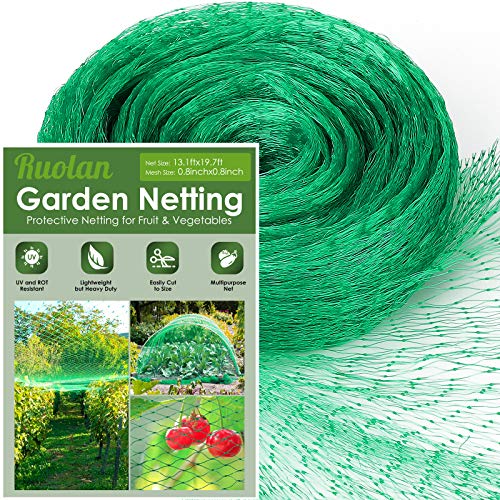
【Perfect size】(Garden Netting size 13ftX20ft, Mesh Size 0.8inchX0.8inch), Protect fruit tree plant blueberry strawberry from animals

Protect Your Vegetables and Fruits: LCHUANG Garden Netting is great for orchards, greenhouses, gardens, nurseries, patios, and shrubs. This Bird Netting with a zipper can protect blueberries, tomatoes, trees, fruits, flowers, vegetables, and potted plants from insects, birds, and bugs, which helps the plants grow normally.

Extra Large Coverage: 15ft x 15ft bird netting offers full protection for large fruit trees and plants.
Physical Barriers
- Fencing: Install a sturdy fence around your garden. Use a material like wire mesh or metal, extending it at least 3 feet high and burying it 1 foot deep to deter digging.
- Tree Guards: Wrap tree trunks with protective barriers. Use metal flashing or heavy plastic materials, ensuring they extend about 2 feet above the ground to prevent climbing.
- Netting: Cover fruit trees with bird netting. Secure it tightly around the base, allowing fruits to ripen while keeping raccoons away.
- Taste Repellents: Apply safe, non-toxic repellents to your fruits. Products containing bitter agents can deter raccoons from attempting to take a bite.
- Motion-Activated Sprinklers: Set up motion-activated sprinklers around your garden. The sudden burst of water can startle raccoons and discourage them from approaching.
- Predator Urine: Use commercially available predator urine, such as fox or coyote urine. Sprinkle it around the garden to create an illusion of danger.
- Noise Makers: Incorporate noise deterrents, like wind chimes or motion-activated alarms. The unexpected sounds can drive raccoons away, keeping your fruits safe.
Effective Trapping Techniques
Trapping can effectively manage raccoon populations near your fruit trees. Implementing these strategies ensures a successful capture and safe relocation.
Recommended Products

High Quality Materials:SZHLUX Live Animal Cage Trap use low carbon steel wire and medium frequency welding. In this way, the product surface is flat, the welding is firm, and it is not easy to solder off.Weather and rust resistant.

Wide Application: As urban and wilderness ecosystems intertwine, animals may disturb your life. Our cat trap is a versatile solution for various animals, including cats, raccoons, rabbits, groundhogs, armadillos, and opossums. It effectively addresses issues such as farmland invasion, release, and harassment.

32" x 11" x 13" Cage Trap: Ideal for trapping raccons, opossums, cats, rabbits, and other similar-sized undesired animals.
Choosing the Right Trap
Select a live trap designed for raccoons. Size matters; a trap measuring 24 to 36 inches long works best. These models often feature a spring-loaded door for immediate closure. Bait the trap with appealing food like marshmallows, peanut butter, or canned cat food, as these attract raccoons effectively. Ensure the trap complies with local regulations regarding trapping wildlife.
Safe Trap Placement
Position the trap in areas with clear signs of raccoon activity, including footprints or scat. Place the trap close to the fruit trees, ideally near dense shrubs or trees that offer cover. Ensure the entrance faces an open area, allowing easy access for the raccoon. Secure the trap firmly to prevent tipping over. Check the trap daily, as this minimizes stress on captured raccoons and complies with humane trapping guidelines.
Other Tips for Protecting Fruit Trees
Implementing additional strategies can enhance the protection of your fruit trees against raccoons. Consider the following tips.
Recommended Products

Helps Keep Raccoons Away Naturally:Designed to help discourage raccoons from visiting your outdoor spaces such as yards, gardens, and trash areas

Package - Total of 20 bird spikes in total. Each bird spikes 11 x 2.1 x 1.4 inches and can be used to cover nearly 35 feet, each deterrent 4 flexible, detachable sections meet your different use needs.

🦝 POWERFUL RACCOON REPELLENT OUTDOOR: Protect your yard, garden, and lawn with this effective raccoon repellent outdoor spray concentrate. Designed to help keep raccoons out of your yard, this natural raccoon deterrent uses strong scent and taste cues to discourage raccoons from lingering near plants, flowers, shrubs, trees, and outdoor living areas. More frequent applications may be needed to maintain effective protection, especially after heavy rain or during periods of increased raccoon activity.
Timing and Maintenance
Timing plays a crucial role in safeguarding your fruit trees. Inspect trees regularly, especially during peak fruiting season. Take note of ripe fruits, as that’s when raccoons are most active.
- Prune Trees: Trim branches to reduce access points. Keeping trees well-maintained deters raccoons from easily reaching fruits.
- Harvest Promptly: Pick fruits as soon as they’re ripe. Leaving fruit on trees invites raccoons to invade.
- Clean Up Fallen Fruits: Remove any dropped fruit quickly. This action eliminates easy food sources that can attract raccoons.
Companion Planting
Companion planting can deter raccoons while enhancing your garden’s health. Selecting certain plants can create a friendly ecosystem.
- Strong-Smelling Herbs: Consider planting herbs like mint or basil around your fruit trees. These plants emit scents that raccoons may find unappealing.
- Spicy Plants: Use plants such as peppers to create a barrier. Their strong aroma might repel these creatures.
- Noxious Perennials: Integrate plants that raccoons dislike, such as marigolds. Their scent acts as a natural deterrent.
By employing these strategies, you increase your chances of successfully keeping raccoons away from your fruit trees, resulting in healthier harvests.
Conclusion
Taking steps to protect your fruit trees from raccoons can make a world of difference in your gardening success. By using a combination of barriers and deterrents you can create an environment that’s less appealing to these crafty critters.
Regular maintenance and quick action are key in keeping your harvest safe. Remember to stay vigilant and adapt your strategies as needed. With a little effort and creativity you’ll be able to enjoy the fruits of your labor without the worry of raccoon raids. Happy gardening!
Frequently Asked Questions
Why are raccoons attracted to my fruit trees?
Raccoons are attracted to fruit trees because they are omnivorous and enjoy the high sugar content in ripe fruits like apples, peaches, and cherries. Their natural curiosity and foraging behavior make fruit trees a prime target for food.
What are signs of raccoon activity in my garden?
Signs of raccoon activity include dropped fruit under the tree, raccoon scat (poop), damaged bark, and distinctive footprints in the soil. Noticing these signs can help you determine if raccoons are invading your fruit trees.
How can I prevent raccoons from entering my garden?
To prevent raccoons, install sturdy fencing or tree guards around your fruit trees. Use netting for added protection and consider employing taste repellents, motion-activated sprinklers, and noise makers to deter these animals.
What are humane trapping techniques for raccoons?
Humane trapping involves using live traps baited with enticing foods like fruits or cat food. Place the traps in areas with visible signs of raccoon activity and check them regularly to ensure the well-being of the trapped animal.
How can I maintain my fruit trees to deter raccoons?
Regular inspection and maintenance are key. Prune branches to limit access, harvest ripe fruits promptly, and clean up fallen fruits. This reduces food sources that attract raccoons and protects your harvest.
What companion plants can help deter raccoons?
Plant strong-smelling herbs, spicy plants, or noxious perennials around your fruit trees. These companion plants can create a natural barrier that makes the area less appealing to raccoons, helping protect your fruits.
