

Have you ever watched helplessly as animals chomp away at your precious fruit trees? You’re not alone. Many gardeners face the same frustration when their hard work is threatened by hungry critters. Whether it’s deer, rabbits, or birds, these pests can quickly turn your thriving orchard into a barren landscape.
This article is here to help you protect your trees and enjoy a bountiful harvest. You’ll discover practical strategies that are easy to implement and effective in keeping those pesky animals at bay. With a little effort, you can safeguard your fruit trees and savor the fruits of your labor without worry.
Key Takeaways
- Identify Common Threats: Learn to recognize the key animals that threaten fruit trees, including deer, rabbits, squirrels, birds, and raccoons, to implement targeted prevention strategies.
- Monitor for Damage: Regularly check for signs of animal activity, such as gnawed bark, broken branches, and footprints, to detect issues early and safeguard tree health.
- Utilize Physical Barriers: Install effective physical barriers like 8-foot fences, tree guards, and netting to keep animals away from your fruit trees.
- Deploy Repellents: Use taste and scent repellents, including commercial sprays or homemade solutions, to deter animals effectively without harming them.
- Implement Scare Tactics: Incorporate visual scares, noise makers, and decoys to create an unsettling environment for animals and prevent them from approaching your trees.
- Adopt Sustainable Practices: Embrace companion planting and choose resistant fruit tree varieties to enhance protection against pest interference while promoting ecological balance.
Understanding the Problem
Many gardeners face challenges from animals that threaten the health and production of fruit trees. Understanding which animals pose a risk and how to identify their damage can aid in preventing losses.
Common Animals That Invade Fruit Trees
- Deer: Enjoy nibbling on tender leaves and buds, often causing extensive damage to young trees.
- Rabbits: Target low-hanging fruits, bark, and young branches. Their gnawing habit can lead to girdling, which harms the tree’s health.
- Squirrels: Known for stealing ripe fruit, squirrels also strip bark and can cause significant injury to trees.
- Birds: Feathers the air with their quick pecks on ripe fruits, leaving trees stripped of their bounty.
- Raccoons: Attracted to ripe fruits, raccoons may damage branches while reaching for the fruit.
- Gnawed Bark: Look for jagged edges where animals have chewed. This indicates potential problems for tree health.
- Uneven Fruit Bites: Signs of bites or pecks on fruit signify the presence of animals like birds or squirrels.
- Broken Branches: Twisted or broken branches often signal animal activity, particularly from larger animals like deer.
- Footprints: Finding paw prints near your trees can help identify the culprit.
- Scratches on Bark: Vertical scratch marks may suggest that animals like raccoons or deer have visited.
Recognizing these patterns early helps maintain healthy fruit trees and protects your harvest.
Effective Prevention Methods
To protect your fruit trees from animals, implementing effective prevention methods is crucial. These strategies include physical barriers, repellents, and scare tactics.
Recommended Products
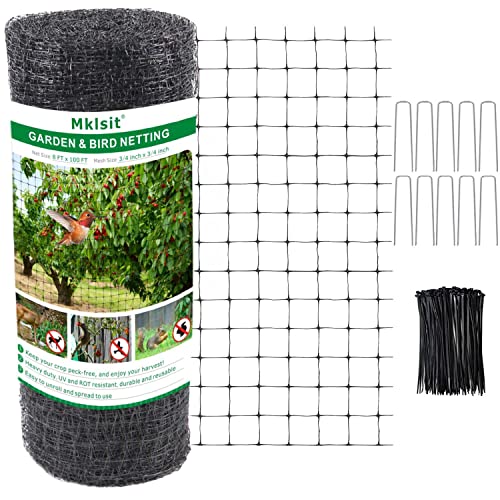
Taller & Heavier: Mklsit 8ft x 100ft deer netting is improved to be taller and heavier weight. Our deer fence is 8 feet tall, and product weight per foot is more, also. Best bird netting for gardens & landscapes protection
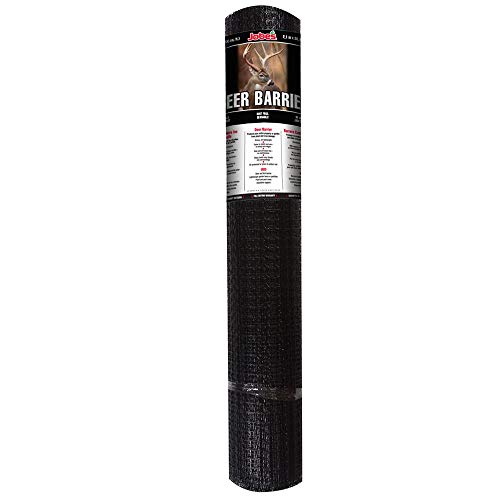
Tough durable deer fence; Protects landscape and crops from deer and other animals

SMART TWO-PIECE DESIGN: The fence posts feature a clever two-piece design (1410mm each) that assembles to a full 2660mm (8.7 ft) -taller than most competitors. The split design eliminates the need to stand on a ladder to hammer a full-length post, drastically reducing installation effort and safety risks
Physical Barriers
Installing physical barriers around your fruit trees provides a direct way to keep animals away.
- Fencing: Build a fence at least 8 feet tall to deter deer. Use wire mesh or stock fencing to prevent smaller animals, like rabbits and squirrels, from slipping through.
- Tree Guards: Wrap protectively around the base of individual trees to shield them from gnawing rodents. Commercial tree guards or DIY options with metal mesh work well.
- Netting: Use bird netting to cover low-hanging branches and protect ripening fruit from birds. Secure the edges to prevent birds from finding gaps.
Repellents
Repellents can effectively discourage animals from approaching your trees.
- Taste Repellents: Apply bitter-tasting sprays to fruits and tree bark to make them unpalatable. Look for products containing ingredients like capsaicin or garlic.
- Scent Repellents: Use repellents with strong smells, such as predator urine or citrus scents, which can deter animals. Spray these near the trees regularly, especially after rain.
- Homemade Solutions: Create your own mixture by blending water with hot pepper flakes or vinegar. Spray this solution around your trees for an affordable option.
Scare Tactics
Using scare tactics can help keep animals from your fruit trees.
- Visual Scares: Hang reflective materials, like old CDs or aluminum foil strips, from tree branches. The movement and light reflections can frighten birds and small animals away.
- Noise Makers: Set up wind chimes or motion-activated alarms to create noise when animals approach. The unexpected sounds make animals wary of returning.
- Decoys: Place predator decoys, such as fake owls or hawks, in your garden. Move them regularly to maintain their effectiveness since animals can become accustomed to stationary decoys.
By combining these methods, you can create a comprehensive strategy that effectively protects your fruit trees from various animals.
Sustainable Practices
Sustainable practices help you safeguard fruit trees while supporting the ecosystem. These approaches allow you to deter animals effectively without harming them or the environment.
Recommended Products

Over 100,000 Repeat Customers - For over 20 years Deer Out is the trusted brand for professional gardeners, landscapers and farmers alike. Works Great!

TRUSTED BY PROFESSIONALS: For over 20 years, I Must Garden has been the preferred brand of professional gardeners for use in public gardens and resorts. Trusted for its reliability, durability, and pleasant mint scent

Over 100,000 Repeat Customers - For over 20 years Deer Out is the trusted brand for professional gardeners, landscapers and farmers alike. Works Great!
Companion Planting
Companion planting involves growing specific plants near your fruit trees to deter pests and wildlife. Certain plants, like marigolds or garlic, emit strong scents that repel animals. These plants can help create a natural barrier. For instance, planting chives around your trees can discourage rabbits, while lavender may keep deer at bay. Grouping flower beds with these deterrents increases protection and enhances your garden’s aesthetics.
Choosing Resistant Varieties
Selecting resistant fruit tree varieties boosts your chances against animal interference. Some fruit trees possess natural traits that minimize damage from pests and animals. For example, ‘Honeycrisp’ apples resist many diseases and pests, making them a strong choice. Additionally, consider native varieties that are better adapted to your local wildlife. By choosing these options, you combine your gardening goals with a focus on resilience, enhancing your harvest success.
Additional Tips
In addition to the methods already discussed, implementing a few more strategies can enhance your fruit tree protection.
Recommended Products

Size: Deer netting size 7 feet x 100 feet; garden netting mesh size 3/4"; color: black; Easy to use accessories included: 10pcs installation nails & 50pcs cable ties
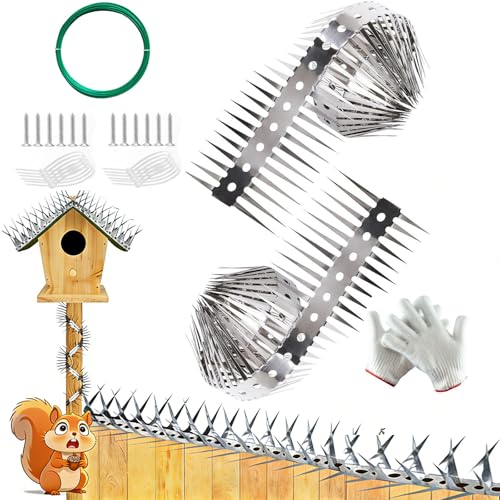
Ethical Deterrence: The sharp stainless steel spikes create a harmless barrier to intimidate raccoons, squirrels, pigeons, crows, and rodents without causing injury.

Highly Effective Deer & Animal Barrier: Specifically designed to deter deer and protect fruit trees & gardens from foraging. Also effectively keeps out rabbits, chickens, and other small to medium-sized animals. The deer fence netting is highly visible to wildlife, providing an effective psychological and physical barrier to safeguarding your plants, vegetables, fruit trees, flower beds and orchards
Maintenance of the Surrounding Area
Keep your garden tidy to minimize animal attraction.
- Remove Debris: Clear fallen fruits, nuts, and plant debris. These attract unwanted animals looking for food.
- Trim Vegetation: Trim overgrown bushes and grass that offer shelter to rodents and other small animals.
- Create Barriers: Use gravel or wood chips around the base of trees. These materials can deter burrowing animals.
Monitoring and Adjustment
Regularly observe your fruit trees for signs of animal activity.
- Check Fencing: Inspect fences and barriers for damage or gaps. Animals can exploit small openings.
- Adjust Strategies: If certain techniques aren’t working, consider trying different repellents or scare tactics. Animals can quickly adapt to specific deterrents.
- Track Wildlife Patterns: Keep a log of animal activity near your fruit trees. Note the time of day and type of animal, enabling you to tailor your protection methods accordingly.
Conclusion
Protecting your fruit trees from hungry animals doesn’t have to be a daunting task. By combining various strategies like physical barriers repellents and scare tactics you can create a protective shield around your precious trees.
Stay vigilant and monitor your trees regularly to catch any signs of trouble early. Remember that maintaining a healthy garden ecosystem benefits both you and the wildlife around you. With a little effort and creativity you can enjoy a bountiful harvest while keeping those pesky critters at bay. Happy gardening!
Frequently Asked Questions
What animals are a threat to fruit trees?
Many animals pose a threat to fruit trees, including deer, rabbits, and birds. These pests can cause significant damage by gnawing on bark, eating fruits, and breaking branches, which can ultimately impact your harvest.
How can I tell if animals are damaging my fruit trees?
Signs of animal activity include gnawed bark, uneven bites on fruits, broken branches, and visible footprints or scratches on the tree’s bark. Early recognition of these signs is crucial for maintaining healthy fruit trees.
What physical barriers can protect my fruit trees?
To safeguard your fruit trees, consider installing tall fencing, tree guards, or bird netting. These physical barriers effectively keep animals away and help maintain the integrity of your trees and the fruit they produce.
Are there any repellents that work for deterring animals from fruit trees?
Yes, both taste and scent-based repellents can deter animals. Products containing strong scents or unpleasant tastes can discourage animals from approaching your trees, effectively protecting your fruit from damage.
What are some sustainable practices to protect fruit trees?
Sustainable practices include companion planting, where you grow plants like marigolds or garlic near fruit trees to repel pests. Choosing native or resistant fruit tree varieties also enhances resilience against wildlife and pests.
How can I maintain the area around my fruit trees for better protection?
To enhance protection, regularly remove debris, trim overgrown vegetation, and create barriers with gravel or wood chips. These practices help deter burrowing animals and improve the overall health of your fruit trees.
How often should I monitor my fruit trees for animal activity?
Regular monitoring is essential. Check your fruit trees weekly during the growing season for signs of animal activity, damage to fencing, or any changes in patterns. Adjust your protective strategies as needed to ensure ongoing effectiveness.
