

Have you ever watched helplessly as birds or pests snatched away your hard-earned fruit? It’s frustrating to see your trees go to waste. Covering your fruit trees with netting is a simple yet effective way to protect your harvest and ensure you enjoy the fruits of your labor.
In this article, you’ll learn how to properly cover your trees with netting to keep unwanted visitors at bay. You’ll discover tips and tricks that make the process easier and more efficient. By the end, you’ll be ready to safeguard your trees and enjoy a bountiful harvest season after season.
Key Takeaways
- Protect Your Harvest: Covering fruit trees with netting is an effective way to shield fruits from birds, pests, and other threats, ensuring a bountiful harvest.
- Choose the Right Netting: Selecting netting based on material and mesh size is crucial. Bird, insect, and fruit tree netting serve different protective purposes.
- Easy Installation Process: Follow straightforward steps to prepare, install, and secure netting over your fruit tree, ensuring minimal damage to branches and leaves.
- Regular Maintenance: Inspect the netting weekly for tears or accumulations, and make seasonal adjustments to accommodate tree growth and reduce mold risks.
- Cost-Effective Solution: Netting offers a budget-friendly method for ongoing tree protection while enhancing the quality and flavor of your fruits.
Importance Of Covering Fruit Trees With Netting
Covering fruit trees with netting protects your harvest from birds, pests, and other threats. Netting acts as a physical barrier, safeguarding fruits until they’re ready for picking. Here are essential benefits of using netting:
Protects Fruits From Animals
- Birds: Various bird species often peck at ripening fruits. Netting prevents them from accessing your trees.
- Squirrels: Squirrels enjoy munching on fruits and can cause significant damage. Netting keeps them at bay.
Keeps Insects Away
- Bugs: Certain pests, like aphids and beetles, can harm trees and fruits. Netting ensures these insects don’t reach your harvest.
- Diseases: Reducing insect access limits disease transmission, promoting healthy fruit growth.
Extends Harvest Period
- Ripening: Netting allows fruits to ripen on the tree. This promotes better flavor and quality.
- Timing: A longer harvest window gives you more time to enjoy fresh fruit.
Reduces Fruit Drop
- Friction: Without netting, wind and rain can knock fruits off the tree. The secure cover supports fragile fruits, reducing loss.
- Preservation: Keeping fruits safe increases your chances of a successful harvest.
- Convenience: Netting installation is straightforward. Wrapping trees doesn’t require specialized tools.
- Cost-effective: Various netting options exist at different price points, making this an affordable protection method.
Implementing netting provides numerous advantages, ensuring your fruit trees thrive and yield bountiful harvests for seasons to come.
Choosing The Right Netting Material
Selecting the appropriate netting material is crucial for effectively protecting your fruit tree. Factors such as durability, size of openings, and UV resistance can significantly affect performance.
Recommended Products

Effective Fruit Tree Netting: Premium Garden netting creates a barrier to protect your fruit trees, blueberries, apples, tomatoes, and berries, ensure the health and abundance of your garden; Bugs, Insects, aphids, Cicadas, birds, chickens, and squirrels will stay away from your trees

【Heavy Duty Bird Netting】 Protect your garden, fruit trees, vegetables, blueberries, strawberries, vines, chicken coop and raised beds with this durable bird netting. It effectively keeps birds, deer, squirrels and other small animals away without hurting them.

🥬EFFECTIVE GARDEN NETTING: Fine mesh netting can protect plants and vegetables from a wide range of insects and animals, such as cicadas, carrot fly and many species of aphids, you will get a healthier and happier garden
Types Of Netting
- Bird Netting: This netting features small mesh holes designed to keep birds away. It allows sunlight and rain to reach the fruit while deterring feathered pests.
- Insect Netting: Made with finer mesh, this type prevents insects from penetrating. It’s beneficial for protecting against pests like aphids and beetles.
- Fruits Tree Netting: This heavier-duty netting is often used for larger trees. It offers robust protection against squirrels and larger animals.
- Plastic vs. Polyester Netting: Plastic netting is lightweight and easy to handle. Polyester, while slightly heavier, offers better durability and longevity in harsh weather conditions.
- Mesh Size: Ensure the openings in the netting are small enough to block the intended pests, yet large enough to allow airflow and sun exposure.
- Material Thickness: Thicker netting typically lasts longer, but it may be more challenging to work with. Balance convenience with durability depending on your tree’s needs.
- UV Protection: Choose UV-resistant netting to prevent deterioration from sunlight. This ensures longer-lasting protection of your fruit trees.
- Ease of Installation: Look for netting that’s simple to install and remove. Lightweight materials can make the process smoother, especially when covering large trees.
- Local Wildlife: Consider the common pests in your area. Choose a netting type suited to protect against the specific threats your trees face.
Selecting the right netting material aids in maintaining the health of your fruit trees while maximizing their yield.
Steps To Cover A Fruit Tree With Netting
Covering your fruit tree with netting is straightforward. Follow these steps to ensure you protect your harvest effectively.
Preparing The Tree
- Assess the tree’s health. Remove any dead or damaged branches.
- Trim the tree for easier netting application. Ensure branches don’t obstruct the net.
- Clean the ground around the tree. Clear fallen fruits, leaves, and debris to minimize pests.
Installing The Netting
- Choose the right netting material based on your needs. Bird netting works for birds, while insect netting protects against bugs.
- Cut a piece of netting large enough to cover the entire tree. Aim for about 3 feet extra on each side to allow for securing.
- Drape the netting over the tree gently. Ensure it covers branches and leaves without damaging them.
- Lift the netting as you go, allowing any taller branches to extend through.
- Use stakes or weights to secure the netting at the tree’s base. This prevents birds and pests from sneaking underneath.
- Tie the netting to stakes with soft ties or string. This helps maintain tension and prevents sagging.
- Inspect the netting periodically. Check for holes or damage, and repair or replace as needed to maintain protection.
By following these steps, you can ensure your fruit trees stay safe from unwanted visitors, enabling a fruitful harvest.
Maintaining The Netting
Maintaining your netting ensures effective protection for your fruit trees throughout the growing season. Regular checks and seasonal adjustments play key roles in keeping your netting in optimal condition.
Recommended Products
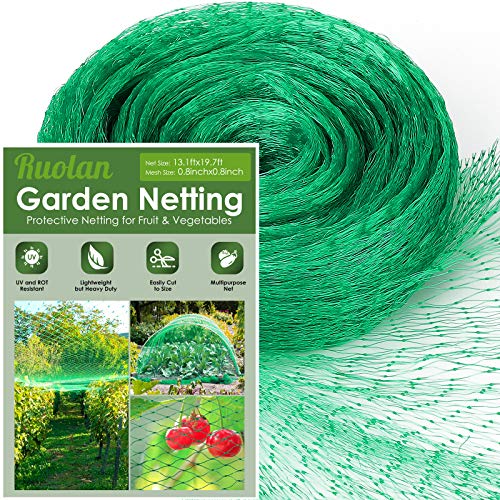
【Perfect size】(Garden Netting size 13ftX20ft, Mesh Size 0.8inchX0.8inch), Protect fruit tree plant blueberry strawberry from animals

HDPE Material for Outdoor Garden Use: Made from high-density polyethylene (HDPE), RIFNY garden bird netting is designed for outdoor plant protection and repeated seasonal use. The flexible mesh is suitable for backyard gardeners, vegetable gardens, raised beds, fruit trees, blueberry bushes, flower gardens, and orchards. The black netting provides a practical barrier for protecting plants while maintaining airflow and sunlight
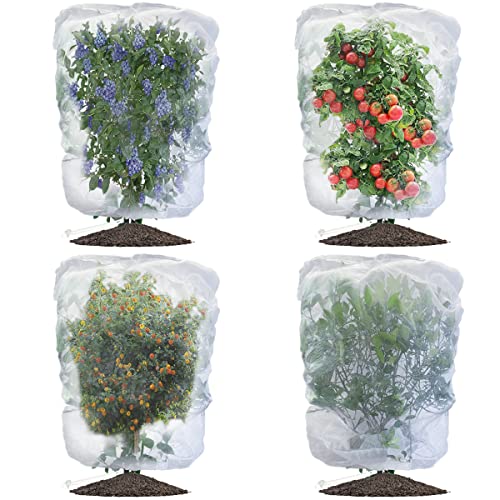
BIRD GARDEN NETTING BAGS with DRAWSTRING: You will receive 4pcs garden netting which 2.3 x 3.5ft, perfect for various plants such as fruit trees, blueberry shrubs, large potted plants, flowers, etc. The large fruit tree covers bags effectively prevents small animals or birds from damaging your plants or fruit, ensuring obtaining more harvest
Regular Inspections
Inspect your netting at least once a week. Look for tears, holes, or any signs of wear. Ensure that the netting remains securely fastened to the tree. Birds or pests might try to find gaps, so pay attention to edges. If you notice any damage, repair it immediately using repair tape or by replacing the section. This proactive approach prevents animals from accessing your fruits.
Check for debris accumulation on the netting. Leaves, twigs, or other materials can weigh it down, causing sagging. Regularly clear off any debris to maintain the netting’s position and integrity.
Seasonal Adjustments
Adjust your netting seasonally to accommodate tree growth and changes in weather. As your tree grows, the netting may need repositioning or relacing to fit properly. Make these adjustments in early spring before the tree starts blooming.
In late summer, consider removing or loosening the netting. This allows air circulation, reducing the risk of mold or fungus developing in damp conditions. If pests are a concern, you can switch to lighter netting during this period for easy handling while still offering some protection.
Be ready to replace the netting when the season changes. Inspect for any remaining damage or aging. New netting enhances durability and effectiveness, ensuring your trees remain protected year after year.
Conclusion
Protecting your fruit trees with netting is a smart move for any gardener. By taking the time to cover your trees properly you can enjoy a bountiful harvest free from the pests and birds that threaten your hard work.
Choosing the right netting and keeping it well-maintained will make a world of difference. Remember to inspect it regularly and make adjustments as your tree grows.
With a little effort you’ll not only safeguard your fruits but also enhance the overall health of your trees. So go ahead and give your fruit trees the protection they deserve. Happy gardening!
Frequently Asked Questions
What is netting for fruit trees?
Netting for fruit trees is a protective mesh covering that acts as a barrier against birds, squirrels, and insects. It helps keep your fruit safe from various threats while allowing sunlight and rain to reach the tree.
Why should I use netting on my fruit trees?
Using netting protects your fruit from pests and helps extend the harvest period by reducing fruit drop and keeping insects away. It’s a simple and cost-effective solution for gardeners.
How do I choose the right netting material?
When choosing netting, consider durability, mesh size, and UV resistance. The type of threats you’ll face will also determine the best netting, such as bird netting or insect netting.
How do I install netting on my fruit trees?
To install netting, first, prepare the tree by assessing its health and trimming branches. Then, drape the netting over the tree, securing it with stakes or weights, and regularly inspect it for any damage.
How often should I maintain the netting?
Inspect your netting at least once a week for tears, holes, or wear. Clear any debris that accumulates, and make seasonal adjustments to allow airflow as the tree grows.
When should I replace my netting?
You should replace aging netting to maintain its effectiveness. If you notice significant wear or damage, it’s best to invest in new netting to ensure continued protection for your fruit trees.
