

Growing quince trees in pots in Rhode Island is feasible with proper care and attention. Selecting the right pot, soil, and location will ensure successful growth and fruit production.
Choosing the Ideal Pot for Quince Trees
Choosing the appropriate pot is crucial for the health of your quince tree. A pot that is too small can restrict root growth, while one that is too large may retain excess moisture. Consider these factors when selecting a pot:
Size: A minimum of 15 gallons is recommended for mature trees.
Material: Clay pots are breathable but may dry out quickly. Plastic pots retain moisture but can overheat.
Drainage: Ensure the pot has sufficient drainage holes to prevent root rot.
| Pot Material | Advantages | Disadvantages |
|---|---|---|
| Clay | Breathable, aesthetically pleasing | Dries out quickly |
| Plastic | Retains moisture, lightweight | Can overheat |
| Wood | Insulating, natural look | May rot over time |
Recommended Products

✅BUILT FOR SERIOUS GROWERS: When you need serious root space for trees, large shrubs, or high-yield vegetable plants, the 15-gallon nursery pot is the professional's choice. Green Oasis 15-gallon pots are engineered to the same exacting standards used by commercial plant nurseries, delivering exceptional durability, consistent drainage, and long-lasting performance in even the most demanding growing environments.
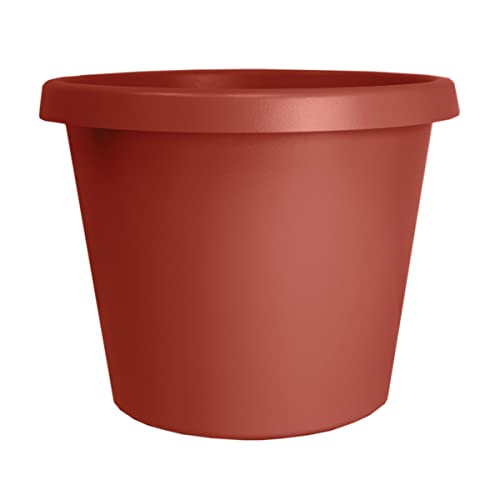
DURABLE & LIGHTWEIGHT - These plastic containers are very durable and lightweight. This makes them great for performing outdoor gardening on your patio, porch, or deck.These containers will not crack nor color-fade over time.
Use Quality Soil for Potting
Selecting the right soil is crucial for the health and growth of quince trees in pots, especially in Rhode Island’s unique climate. Quality soil not only provides essential nutrients but also ensures proper drainage and aeration. This section will guide you through the best soil options to promote thriving quince trees in containers.
The quality of soil directly impacts the growth of your quince tree. A well-draining mix is essential to prevent waterlogging. Here are key components to consider:
Potting Mix: Use a high-quality potting mix designed for fruit trees.
Organic Matter: Incorporate compost to enhance nutrient content.
pH Level: Aim for a pH between 6.0 and 7.0 for optimal growth.
Optimal Soil Mix for Quince Trees
Choosing the right soil mix is crucial for the health and growth of quince trees in pots, especially in Rhode Island’s unique climate. A well-balanced soil not only provides essential nutrients but also ensures proper drainage and aeration. This section will detail the optimal soil components to create a thriving environment for your quince trees.
Creating the right soil mix is vital for the health of your quince tree. Follow these steps to prepare an effective mix:
Combine equal parts of potting soil and compost.
Add perlite or sand to improve drainage.
Test the pH level using a soil test kit.
Optimal Watering Strategies for Potted Quince Trees
Successfully growing quince trees in pots requires careful attention to their watering needs. Understanding the optimal watering strategies is crucial, as these trees thrive in well-drained conditions while also needing consistent moisture. This section will explore effective techniques to ensure your potted quince trees flourish in Rhode Island’s unique climate.
Watering is a critical aspect of caring for quince trees in pots. Overwatering can lead to root rot, while underwatering can stress the tree. Follow these guidelines for effective watering:
Frequency: Water when the top inch of soil feels dry.
Amount: Ensure water drains from the bottom of the pot.
Seasonal Adjustments: Reduce watering in winter when the tree is dormant.
Signs of Overwatering in Quince Trees
Understanding the signs of overwatering is crucial for maintaining healthy quince trees in pots, especially in Rhode Island’s unique climate. Overwatering can lead to root rot and other issues that threaten the vitality of your trees. Recognizing these symptoms early can help ensure your quince trees thrive in their potted environment.
Recognizing the signs of overwatering is essential for maintaining a healthy quince tree. Look for these indicators:
Yellowing leaves
Wilting despite moist soil
Root rot, which may require repotting
Fertilization Strategies for Quince Trees
Fertilizing quince trees in pots is crucial for their growth and fruit production, especially in Rhode Island’s unique climate. Understanding the right nutrients and timing can significantly enhance the health and yield of these trees. This section outlines effective fertilization strategies tailored to ensure your potted quince thrives throughout the growing season.
Regular fertilization supports the growth of your quince tree. Use a balanced fertilizer to provide essential nutrients. Consider these points:
Type: Use a slow-release fertilizer designed for fruit trees.
Frequency: Fertilize every 4-6 weeks during the growing season.
Application: Follow the manufacturer’s instructions for dosage.
Fertilization Schedule for Quince Trees
Fertilizing quince trees in pots is essential for their growth and fruit production, especially in Rhode Island’s unique climate. Understanding the right schedule and type of fertilizer can significantly enhance the health and yield of your trees. This section outlines the best practices for fertilizing quince trees to ensure they thrive in container environments.
Timing your fertilization can significantly impact the growth of your quince tree. Apply fertilizer during these key periods:
Early spring as new growth begins
Mid-summer to support fruit development
Late summer to prepare for dormancy
Pest and Disease Prevention for Quince Trees
Maintaining the health of quince trees in pots is crucial, especially in Rhode Island’s unique climate. This section will explore effective strategies for preventing pests and diseases that can threaten your trees, ensuring they thrive and produce fruit. By understanding common issues and implementing proactive measures, you can enjoy a bountiful harvest from your potted quince trees.
Pests and diseases can threaten the health of your quince tree. Regular monitoring and preventive measures are essential. Be aware of these common issues:
Aphids: Small insects that can weaken the tree.
Fungal Infections: Look for leaf spots or wilting.
Scale Insects: Hard to detect but can cause significant damage.
Pest and Disease Prevention Strategies
Maintaining healthy quince trees in pots requires vigilance against pests and diseases that can threaten their growth. This section outlines effective prevention strategies tailored for Rhode Island’s climate, ensuring your trees thrive while minimizing potential damage. By implementing these practices, you can enjoy a bountiful harvest and vibrant foliage throughout the growing season.
Taking preventive measures can reduce the risk of pests and diseases. Consider these strategies:
Inspect your tree regularly for signs of infestation.
Apply organic insecticides if necessary.
Prune dead or diseased branches to improve airflow.
Maximizing Sunlight for Quince Trees
Maximizing sunlight is crucial for the health and productivity of quince trees grown in pots, especially in Rhode Island’s variable climate. Understanding how to position your potted quince tree to capture optimal sunlight can significantly enhance its growth and fruiting potential. This section will provide practical strategies to ensure your tree receives the light it needs throughout the seasons.
Proper sunlight exposure is crucial for the growth of your quince tree. Quince trees thrive in full sun, requiring at least six hours of direct sunlight daily. Consider these factors:
Location: Place your pot in a sunny area, such as a south-facing patio.
Rotation: Rotate the pot periodically to ensure even growth.
Shade Protection: Provide shade during extreme heat to prevent sunburn.
Seasonal Sunlight Adjustments for Quince Trees
Quince trees thrive in specific sunlight conditions, making seasonal adjustments crucial for their growth in Rhode Island’s varying climate. Understanding how to optimize sunlight exposure throughout the year can significantly impact the health and fruit production of these potted trees. This section explores effective strategies to ensure your quince trees receive the right amount of light as the seasons change.
Seasonal changes can affect sunlight exposure. Be prepared to adjust your tree’s location based on the following:
Move the pot to a sunnier spot in early spring.
Provide shade during peak summer heat.
Protect from frost in late fall.
Seasonal Care Adjustments for Quince Trees
Successfully growing quince trees in pots in Rhode Island requires careful attention to seasonal changes. Understanding how to adjust care routines throughout the year is essential for promoting healthy growth and fruit production. This section outlines specific strategies to ensure your potted quince trees thrive in varying weather conditions.
Understanding seasonal care needs will help maintain your quince tree. Adjust your care routine based on the season:
Spring: Begin fertilization and watering routine.
Summer: Monitor for pests and ensure consistent watering.
Fall: Prepare for dormancy by reducing watering and fertilization.
Winter: Protect from freezing temperatures and avoid overwatering.
Winter Care for Potted Quince Trees
Winter can be a challenging season for potted quince trees, especially in Rhode Island’s cold climate. Proper care during these months is essential to ensure your trees remain healthy and thrive. This section outlines effective strategies to protect your quince trees from harsh winter conditions while promoting their growth for the upcoming spring.
Do not neglect the watering and sunlight needs during winter months.
By following these guidelines, you can successfully grow quince trees in pots in Rhode Island. Proper pot selection, soil preparation, and ongoing care will lead to healthy trees and fruitful harvests.
