

Have you ever wished you could grow your favorite fruit trees without starting from scratch? Cloning fruit trees from cuttings is a simple and rewarding way to expand your garden and enjoy fresh produce. Imagine having an orchard filled with trees that bear the fruits you love—all from just a few healthy branches.
Key Takeaways
- Cloning Method: Cloning fruit trees from cuttings involves using healthy sections of a parent tree to grow new, genetically identical plants, ensuring fruit consistency and quality.
- Types of Cuttings: There are three main types of cuttings for cloning: softwood (spring), semi-hardwood (late summer), and hardwood (late fall or winter), each with its unique rooting process.
- Cost and Time Efficiency: This method is cost-effective compared to buying new trees, and trees grown from cuttings often mature faster, allowing for earlier fruit production.
- Proper Care Requirements: Successful cloning requires attention to watering, lighting, and pest management to ensure healthy growth of the new trees.
- Monitoring Growth: Regularly check cuttings for moisture and signs of growth, as roots typically develop within 4 to 8 weeks, indicating successful propagation.
- Preservation of Varieties: Cloning enables the preservation of specific fruit characteristics, making it ideal for maintaining heirloom varieties and their desirable traits.
Understanding Plant Cloning
Cloning fruit trees through cuttings is a reliable and efficient way to propagate your favorite plants. This process involves taking healthy sections of a parent tree and encouraging them to root and grow into new trees. You achieve genetic consistency when you clone. The new plants are genetic replicas of the parent, meaning they’ll produce the same fruit variety.
Benefits of Cloning
- Cost-Effective: Cloning allows you to expand your garden without purchasing new trees. You can start with just a few cuttings.
- Faster Growth: Trees grown from cuttings often mature more quickly than those grown from seeds. You may enjoy fruit sooner than you expect.
- Preservation of Varieties: Cloning saves specific characteristics of fruit varieties. You preserve desirable traits, which makes it great for heirloom varieties.
Types of Cuttings to Make
You can choose from several types of cuttings for cloning:
- Softwood Cuttings: Taken from fresh, new growth during spring. They root easily and grow rapidly.
- Semi-Hardwood Cuttings: Taken from partially mature wood, typically in late summer. They are more challenging but still viable.
- Hardwood Cuttings: Taken from mature wood in late fall or winter. They require a longer rooting time.
Steps to Clone Fruit Trees from Cuttings
- Select a Healthy Parent Plant: Choose a tree known for vigorous growth and good fruit production. Look for disease-free branches.
- Gather Tools: You’ll need a sharp, clean knife or pruning shears, rooting hormone, pots, and a growing medium.
- Cut the Stem: Make a cut 6 to 8 inches long, below a node (the thickened part where leaves attach).
- Prepare the Cutting: Remove leaves from the bottom half. Dip the cut end in rooting hormone to encourage roots.
- Plant the Cutting: Insert the cut end into a pot filled with moist potting mix. Ensure it’s planted at least 2 inches deep.
- Water and Cover: Water the cutting gently. Cover it with a plastic bag or dome to maintain humidity.
- Provide the Right Environment: Place the pot in indirect sunlight and keep it at a warm temperature.
Monitoring Root Development
Check your cuttings regularly for moisture levels and signs of growth. Roots typically develop within 4 to 8 weeks. You can gently tug the cutting to gauge if roots are forming; a bit of resistance indicates root development.
By understanding plant cloning, you can effectively clone your favorite fruit trees, saving time and money while enjoying a bountiful harvest.
Benefits Of Cloning Fruit Trees
Cloning fruit trees from cuttings offers several advantages, making it a popular choice for gardeners. This method simplifies the process of expanding your fruit garden, enhancing convenience and success.
Recommended Products

PROMOTES ROOTING: Rooting hormone grows new plants from cuttings
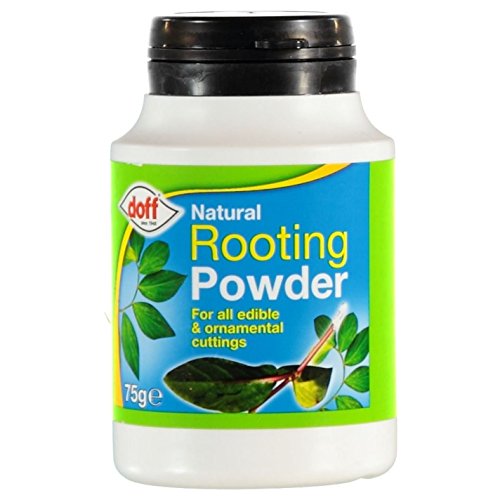
Encourages rooting in all cuttings

ROOTING GEL FOR PLANT CUTTINGS: Miracle-Gro Plant Care Root Starter Gel grows healthy roots for easy propagation; use to grow new plants using leaf and stem cuttings from existing plants
Cost-Effectiveness
Cloning fruit trees can save you money. Purchasing young fruit trees often involves high costs, particularly for rare or specific varieties. By taking cuttings from an existing tree, you avoid those expenses and can produce multiple new trees at little to no cost. For example, if you take three cuttings from a healthy apple tree, you might end up with three new apple trees without spending a dime on nursery prices.
Genetic Consistency
Cloned trees maintain genetic consistency, which means you’ll get the same fruit quality and characteristics as the parent tree. This predictability is crucial for gardeners who want to ensure uniformity in their harvest. If you enjoy a particular peach tree for its sweet fruit, cloning it guarantees that the next generation will exhibit those same delicious traits. Knowing what to expect helps in planning your garden layout and fruit production.
Steps To Clone Fruit Trees From Cuttings
Cloning fruit trees from cuttings involves straightforward steps that ensure success. Follow this step-by-step guide to achieve the best results.
Recommended Products

ROOT STARTER FOR VARIOUS PLANT CUTTINGS (0.10-1.6% IBA): This root powder accelerates root development for plant propagation. Formulated with Indole-3-Butyric Acid (IBA), this root hormone powder strengthens root systems for healthier plants.
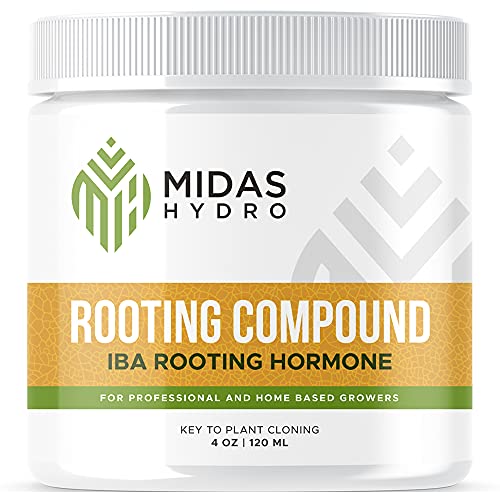
ROOTING HORMONE - We use an IBA rooting hormone for maximum cloning effectiveness. IBA is the number one rooting hormone for cloning plants.

THE ULTIMATE ROOTING BOOSTER: Specially formulated with all-natural rooting hormone and vitamins, our propagation drops dramatically speed up root development and strengthen plants at every stage, from delicate cuttings to mature houseplants.
Selecting The Right Cuttings
- Choose healthy parent plants that show no signs of disease or pests.
- Opt for softwood cuttings in late spring or early summer, semi-hardwood cuttings in late summer, or hardwood cuttings in late fall or winter.
- Select cuttings about 4 to 6 inches long, ensuring each cutting has at least two leaf nodes for better rooting potential.
Preparing The Cuttings
- Use sharp, clean shears to make a clean cut on the branch. Avoid crushing or damaging the stem.
- Remove all but one or two sets of leaves from each cutting to reduce moisture loss.
- Trim the bottom of the cutting at a 45-degree angle to increase surface area for rooting.
Rooting Hormone Application
- Apply rooting hormone to the cut end of each cutting to promote root development.
- Tap off any excess hormone to avoid clumping.
- If rooting hormone isn’t available, you can use a natural alternative like honey, known for its antibacterial properties.
- Fill a planting tray or pots with a well-draining potting mix, such as a blend of perlite and peat moss.
- Create a small hole in the mix for each cutting, then gently place the cutting and firm the mix around it to eliminate air pockets.
- Water the soil lightly to settle the mix, and cover the tray or pots with a plastic bag or dome to maintain humidity.
Following these steps, you can successfully clone fruit trees from cuttings, bringing your favorite varieties straight to your garden.
Caring For Cloned Fruit Trees
Caring for cloned fruit trees requires attention to specific needs. Proper watering, lighting, and pest management are crucial for healthy growth.
Watering Needs
Water cloned fruit trees consistently to prevent stress. It’s important to keep the soil moist but not soggy. Overwatering can lead to root rot, while underwatering can cause drying out. Check the top inch of soil; if it feels dry, it’s time to water. During hot months, you might need to water more often. Consider using a drip irrigation system for an even supply.
Lighting Requirements
Provide adequate light for your cloned fruit trees to thrive. Most fruit trees prefer full sun, requiring around 6 to 8 hours of direct sunlight daily. Position your trees in a location that receives bright light. If you grow them indoors or in low-light conditions, consider using grow lights to supplement natural light. Ensure the light is placed close enough to promote growth but not too close to cause heat stress.
Pest Management
Manage pests promptly to protect your cloned fruit trees. Regularly inspect your trees for signs of common pests, such as aphids or spider mites. Use organic insecticidal soap or neem oil for treatment. Encourage beneficial insects, like ladybugs, which can help control pest populations. Maintaining healthy trees through proper care increases their resilience against pest attacks.
Conclusion
Cloning fruit trees from cuttings is a fun and rewarding way to expand your garden. You get to enjoy the fruits you love without the hassle of starting from seed. Plus it’s a great way to preserve your favorite varieties.
By following the steps outlined in this guide you can successfully propagate your trees and watch them thrive. Remember to be patient as they grow and give them the care they need.
Before you know it you’ll have a flourishing orchard filled with delicious fruits. So grab those cuttings and start your cloning adventure today. Happy gardening!
Frequently Asked Questions
What are the benefits of cloning fruit trees from cuttings?
Cloning fruit trees from cuttings is an efficient way to propagate plants, offering benefits like cost-effectiveness, faster growth, and genetic consistency. You get replicas of the parent tree, ensuring you maintain the desired fruit variety without starting from scratch.
What types of cuttings are best for cloning fruit trees?
The best types of cuttings for cloning fruit trees include softwood, semi-hardwood, and hardwood cuttings. Each type has specific characteristics and ideal timing for collection, influencing the success rate of the cloning process.
How do I start cloning fruit trees from cuttings?
To start cloning, select a healthy parent plant, make clean cuts from branches, reduce leaf count to minimize moisture loss, and apply rooting hormone. Then, plant the cuttings in a well-draining potting mix and maintain humidity for successful rooting.
How should I care for cloned fruit trees?
Caring for cloned fruit trees involves proper watering, ensuring adequate sunlight exposure, and managing pests. Consistent watering prevents stress, good lighting promotes healthy growth, and prompt pest control is essential for maintaining plant health.
Is cloning fruit trees cost-effective?
Yes, cloning fruit trees is cost-effective since you can create an orchard from just a few healthy branches. It eliminates the need to purchase new trees, saving you money while allowing you to enjoy a variety of fruits.
