

Apple trees can thrive in Kentucky’s Bluegrass Region with the right care and conditions. Selecting suitable varieties and understanding local climate factors are essential for successful cultivation.
Best Apple Varieties for Kentucky’s Bluegrass
Kentucky’s Bluegrass region offers a unique climate that can support a variety of apple trees. Selecting the right apple varieties is crucial for successful cultivation, as certain types thrive better in this specific environment. This section explores the best apple varieties suited for Kentucky, ensuring that local growers can maximize their harvests and enjoy delicious fruit.
Choosing the right apple tree varieties is crucial for success in Kentucky. The Bluegrass Region experiences distinct seasonal changes, which can impact growth and fruit production. Popular varieties that perform well include:
Honeycrisp: Known for its crisp texture and sweet flavor.
Granny Smith: A tart apple ideal for cooking and baking.
Fuji: Sweet and juicy, great for fresh eating.
Gala: Early ripening and excellent for fresh consumption.
These varieties are well-suited for the climate and soil conditions found in the Bluegrass Region.
Kentucky Climate and Soil for Apple Trees
Understanding the climate and soil conditions in Kentucky is essential for successfully cultivating apple trees in the Bluegrass Region. This section explores the specific environmental factors that influence apple tree growth, including temperature ranges, precipitation patterns, and soil types, providing valuable insights for both novice and experienced growers.
Kentucky’s climate features hot summers and cold winters, which can affect apple tree growth. Proper soil conditions also play a significant role. Key factors to consider include:
Soil pH: Aim for a pH of 6.0 to 7.0 for optimal growth.
Drainage: Ensure well-draining soil to prevent root rot.
Sunlight: Apple trees require full sun for at least six hours daily.
Conducting a soil test can provide insights into necessary amendments to improve soil quality.
Apple Tree Varieties for Kentucky Success
When considering apple trees for cultivation in Kentucky’s Bluegrass Region, selecting the right varieties is crucial for success. The unique climate and soil conditions of this area can support a range of apple types, each with its own characteristics and benefits. Understanding these varieties will help ensure a fruitful harvest for both novice and experienced growers.
| Variety | Flavor Profile | Harvest Time | Disease Resistance | Best Uses |
|---|---|---|---|---|
| Honeycrisp | Sweet, Crisp | Late Sept | Moderate | Fresh Eating |
| Granny Smith | Tart | Late Oct | High | Baking, Cooking |
| Fuji | Sweet, Juicy | Late Sept | Moderate | Fresh Eating |
| Gala | Sweet | Early Sept | Moderate | Fresh Eating |
This table summarizes the essential characteristics of popular apple tree varieties suitable for Kentucky.
Recommended Products
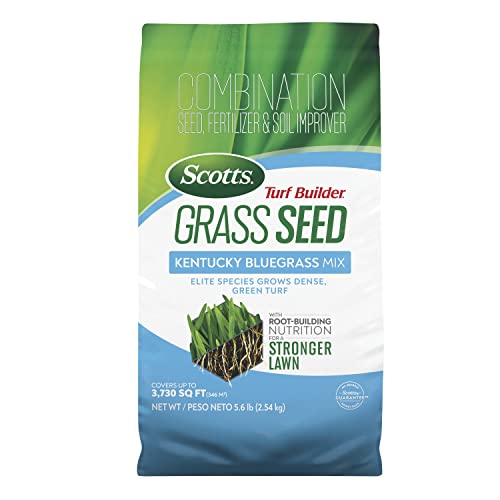
STRONGER LAWN FROM THE ROOTS UP: Kentucky Bluegrass seed with our Root-Building Nutrition, a combination of expertly crafted ingredients, helps establish deep roots to grow a thick, green lawn

Kentucky bluegrass seed blend plus fertilizer provides dense, lush and durable grass

Elite Bluegrass Blend: The Kentucky Bluegrass Blend creates a lush, vibrant lawn with a rich bluish-green color and soft texture, specially selected for its density and self-repairing qualities. Ideal for new lawns or revitalizing old ones, this blend ensures consistent, even coverage, filling in bare spots and promoting uniform growth
Orchard Site Preparation for Apple Trees
Preparing the right site for apple trees in Kentucky’s Bluegrass Region is crucial for successful growth and fruit production. This section outlines the essential steps and considerations for orchard site preparation, ensuring that your apple trees thrive in the local climate and soil conditions. Proper planning will set the foundation for a fruitful harvest.
Site preparation is vital for establishing a successful apple orchard. Follow these steps to create an ideal environment:
Choose a Location: Select a site with full sun and good air circulation.
Clear Debris: Remove weeds, rocks, and old tree stumps to prevent competition.
Test Soil: Conduct a soil test to determine nutrient levels and pH.
Amend Soil: Add organic matter or fertilizers based on soil test results.
Proper site preparation will enhance growth and fruit production.
Apple Tree Planting Logistics in Kentucky
When considering apple tree cultivation in Kentucky’s Bluegrass Region, understanding the logistical aspects of planting is crucial. Factors such as soil quality, climate conditions, and proper spacing can significantly influence the success of your orchard. This section delves into the essential considerations for effectively planting apple trees in this unique environment.
Planting apple trees requires careful planning and execution. Consider these logistical elements:
Timing: The best time to plant is in early spring or late fall.
Spacing: Space trees 15 to 20 feet apart to allow for growth.
Planting Depth: Dig holes deep enough to accommodate the root system without bending roots.
Following these guidelines will ensure healthy growth and minimize transplant shock.
Pest and Disease Control for Kentucky Apples
Pest and disease management is crucial for successful apple cultivation in Kentucky’s Bluegrass Region. The unique climate and soil conditions can attract specific pests and pathogens, making it essential for growers to implement effective control strategies. Understanding these challenges will help ensure healthy apple trees and a bountiful harvest.
Pest and disease management is essential for maintaining healthy apple trees. Common issues in Kentucky include:
Apple Scab: A fungal disease that affects leaves and fruit.
Codling Moth: A pest that damages fruit during development.
Aphids: Small insects that can weaken trees by sucking sap.
Implement the following strategies for effective management:
Regular Inspections: Check trees frequently for signs of pests or disease.
Organic Treatments: Use neem oil or insecticidal soap to combat pests.
Fungicides: Apply fungicides as a preventive measure against diseases.
Monitoring and managing these threats will help ensure a bountiful harvest.
Optimal Apple Harvesting Techniques for Kentucky
In the Bluegrass Region of Kentucky, successfully harvesting apples requires an understanding of local conditions and best practices. This section explores optimal techniques tailored to the unique climate and soil of the area, ensuring that apple growers can maximize their yields while maintaining the health of their trees. Implementing these strategies can lead to a bountiful harvest.
Harvesting apples at the right time is crucial for quality. Follow these guidelines to ensure optimal harvest:
Timing: Harvest when apples are firm and have developed full color.
Technique: Twist and lift apples gently to avoid bruising.
Storage Conditions: Store apples in a cool, dark place with high humidity.
Proper harvesting and storage techniques will maintain freshness and flavor.
Soil Health Essentials for Apple Trees
Understanding soil health is crucial for cultivating healthy apple trees in Kentucky’s Bluegrass Region. The right soil conditions not only support robust root systems but also enhance nutrient availability, ensuring trees thrive in this unique climate. This section explores the essential soil characteristics and amendments necessary for successful apple cultivation in the area.
Neglecting soil health can lead to poor growth and reduced fruit production.
Implementing these strategies will help you successfully grow apple trees in Kentucky’s Bluegrass Region.
