

Ever wondered what fruit trees can thrive in the unique climate of northern Nevada? With its high desert environment and chilly winters, growing fruit trees might seem challenging. But don’t worry—there are plenty of options that can flourish in your backyard.
Key Takeaways
- Understand the Climate: Northern Nevada features a high desert climate with cold winters, making it crucial to choose fruit trees suited for USDA Hardiness Zones 6 and 7.
- Suitable Fruit Varieties: Successful fruit trees for this region include apple (Honeycrisp, Fuji), cherry (Bing, Rainier), and pear (Bartlett, Asian) trees, each requiring well-drained soil and full sunlight.
- Growing Season Awareness: The growing season typically lasts from mid-April to late September; be mindful of temperature fluctuations and potential early frosts to protect young trees.
- Soil and Water Management: Proper soil preparation, including soil testing and amending, along with deep watering techniques, are essential for tree health and root development.
- Pest and Disease Care: Regular monitoring for pests and diseases, along with organic management practices, can help maintain the vitality of fruit trees.
- Long-term Benefits: Growing your own fruit trees not only provides fresh produce and savings but also contributes positively to the environment and local biodiversity.
Overview of Northern Nevada’s Climate
Northern Nevada’s climate poses unique challenges and opportunities for growing fruit trees. This region features a high desert environment, characterized by low humidity, cold winters, and ample sunshine.
Climate Zones in Northern Nevada
Northern Nevada spans multiple climate zones, primarily categorized as USDA Hardiness Zones 6 and 7. These zones experience average annual minimum temperatures ranging from -10°F to 0°F. Understanding your specific zone helps in choosing the right fruit trees that can thrive in the colder climates. For instance, apples, cherries, and certain varieties of pears are suited for Zone 6, while peaches and plums may do well in Zone 7.
Temperature Variations and Growing Seasons
Temperature variations in northern Nevada significantly affect the growing season. Typically, the growing season lasts from mid-April to late September. Average daytime temperatures can reach 80°F to 90°F in summer, while night temperatures often drop into the 50s°F. It’s essential to monitor these fluctuations, as early spring frosts can damage budding fruit trees. Implementing season extension techniques, such as covers or cold frames, can help protect young trees from unexpected cold snaps.
Suitable Fruit Trees for Northern Nevada
Northern Nevada offers a unique environment for growing fruit trees, and several varieties thrive in its climate. Below is a list of suitable fruit trees for this region.
Recommended Products

1. Peel the fruit directly and remove the seeds.

BEGINNER-FRIENDLY & EASY TO GROW – Perfect for first-time bonsai growers, simple planting and care instructions

Light: Thrives in full sun for best fruit production.
Apple Trees
Apple trees grow well in northern Nevada, particularly varieties like Honeycrisp, Fuji, and Granny Smith. These trees require full sun and well-drained soil. Plant them in spring or fall for best results. Consider spacing your apple trees 15 to 20 feet apart to allow for adequate air circulation. Monitor for pests, like codling moths, and use organic treatments to keep your trees healthy.
Cherry Trees
Cherry trees, particularly sweet varieties such as Bing and Rainier, flourish in northern Nevada. They prefer well-drained, sandy loam soils and full sunlight. Plant these trees in early spring or late fall. Spacing them at least 20 feet apart enhances growth and air circulation. Protect young trees from frost with frost cloths in the early spring, as cherries bloom early and can be susceptible to unpredictable weather.
Pear Trees
Pear trees, such as Bartlett and Asian pear varieties, adapt well to northern Nevada’s conditions. They prefer full sun and thrive in loamy, well-drained soil. When planting, space your pear trees 20 feet apart for optimal growth. Early spring or late fall planting yields the best outcomes. Keep an eye out for fire blight, a common disease in pear trees, and prune infected branches promptly to maintain tree health.
Tips for Growing Fruit Trees in Northern Nevada
Growing fruit trees in northern Nevada requires attention to specific factors unique to this high desert region. Here are some practical tips that can help you nurture healthy fruit trees.
Recommended Products

Quick, at home results for Soil pH, Nitrogen, Phosphorous and Potash Innovative and inexpensive soil test kit features an easy-to-use capsule system and patented color comparators

KNOW BEFORE YOU GROW | Grow the healthiest, sustainable lawn and garden with the most accurate and easy to use professional soil test kit on the market

Kindly NOTE: This soil tester can not be applied to test pH value of any other liquid. If the soil is too dry the indicator will not move, and water it before testing.
Soil Preparation and Fertilization
Prepare your soil before planting fruit trees. Conduct a soil test to determine pH and nutrient levels. Amend the soil based on the test results, aiming for a pH of 6 to 7. Incorporate organic matter, like compost or well-rotted manure, to improve soil fertility and drainage.
Fertilize your trees according to their growth stages. Use a balanced fertilizer in early spring as the trees emerge from dormancy. For young trees, apply a slow-release fertilizer high in nitrogen. For mature trees, adjust to a balanced formula.
Watering Techniques
Watering fruit trees adequately is essential for their survival. Use deep watering methods to encourage root development. Water trees once a week, providing 1 to 2 inches of moisture during the growing season.
During extremely hot periods, increase frequency, ensuring the soil remains moist but not waterlogged. Mulch around the base of the trees with shredded bark or straw to retain moisture and regulate soil temperature.
Pest and Disease Management
Managing pests and diseases protects your fruit trees. Monitor trees regularly for early signs of trouble, such as discolored leaves or unusual growth patterns. Introduce beneficial insects, like ladybugs, to control aphids naturally.
Utilize organic pesticides when necessary, adhering to label instructions for safety. Prevent diseases by ensuring proper air circulation and avoiding overhead watering, which can promote fungal growth. Regularly prune your trees to maintain healthy structure and remove any dead or diseased branches.
Benefits of Growing Your Own Fruit Trees
Growing your own fruit trees offers multiple rewards. From enhancing your garden to providing fresh produce, the benefits are substantial.
Recommended Products
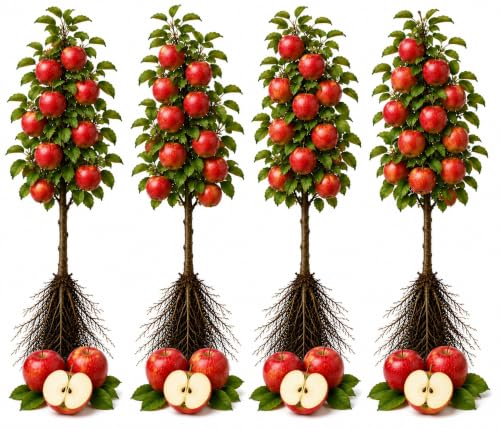
LIVE APPLE TREE SEEDLINGS: Grow beautiful apple trees from young, vigorous seedlings. An excellent choice for starting an orchard, expanding a homestead, creating wildlife habitat, or adding fruit trees to your property.

Package: 5 Individual Packs, 40+ Lemon Tree Seeds 40+ Cherry Tree Seeds 40+ Orange Tree Seeds 40+ Apple Seeds 20+ Blueberry Seeds

4 FRUIT VARIETIES – 100 SEEDS TOTAL: Includes 30 Apple Seeds, 30 Lemon Seeds, 30 Cherry Seeds, and 10 Banana Seeds, individually separated by variety for an exciting fruit-growing collection.
Freshness and Flavor
You enjoy the best flavor when you pick fruit straight from your yard. Freshly harvested fruit retains its nutrients and taste better than store-bought varieties. For example, ripe apples from your tree can taste sweeter and juicier than those packaged in stores. Additionally, you control when to harvest, ensuring optimal ripeness for peak flavor.
Environmental Impact
Growing fruit trees positively impacts the environment. Trees provide habitats for wildlife and improve air quality by absorbing carbon dioxide. You contribute to biodiversity by planting native or diverse fruit trees. Moreover, reduced transportation emissions come from fewer trips to the grocery store. Each tree enhances soil health and aids in water retention, promoting a healthier ecosystem.
Economic Savings
Planting fruit trees saves money over time. Initial investment costs reduce as your trees mature and produce fruit annually. You eliminate expenses related to purchasing fruit from stores. An average apple tree yields 100 to 500 apples per season, translating to significant savings based on current market prices. Moreover, you benefit from harvesting fruit during peak season, ensuring a steady supply. By selecting a variety of trees, you enjoy seasonal fruits that diversify your diet without added costs.
Conclusion
Growing fruit trees in northern Nevada can be a rewarding experience. With the right knowledge and preparation you can enjoy a bountiful harvest right from your backyard. By selecting the right varieties and understanding your local climate you’ll set yourself up for success.
Don’t forget to monitor your trees and implement protective measures to shield them from unexpected weather. The joy of biting into a fresh peach or apple you’ve nurtured yourself is truly unmatched. So get started on your fruit tree journey and watch your garden flourish!
Frequently Asked Questions
What fruit trees can I grow in northern Nevada?
You can grow various fruit trees in northern Nevada, including apple trees (Honeycrisp, Fuji, Granny Smith), cherry trees (Bing, Rainier), and pear trees (Bartlett, Asian). It’s essential to choose varieties suited for the specific climate zones—USDA Hardiness Zones 6 and 7—to ensure healthy growth.
What is the growing season for fruit trees in northern Nevada?
The growing season in northern Nevada typically lasts from mid-April to late September. However, it’s vital to monitor temperature fluctuations, as early spring frosts can harm young trees. Implementing protection methods like covers or cold frames can help mitigate these risks.
How should I space my fruit trees?
Apple, cherry, and pear trees should be spaced approximately 15 to 20 feet apart when planting. Proper spacing ensures adequate sunlight, airflow, and room for growth, which is essential for the health and productivity of the trees.
How do I prepare the soil for planting fruit trees?
To prepare the soil, conduct a soil test to check pH and nutrient levels, aiming for a pH of 6 to 7. Incorporate organic matter to enhance soil fertility and ensure it is well-drained. Proper soil preparation is crucial for the establishment of healthy fruit trees.
What watering techniques should I use for fruit trees?
Water fruit trees deeply once a week, especially during dry spells. Using mulch can help retain soil moisture and regulate temperature. Consistent and deep watering encourages strong root development and overall tree health.
How can I manage pests and diseases for my fruit trees?
Regularly monitor your trees for signs of pests and diseases. Introduce beneficial insects, practice organic pest management, and use organic pesticides when necessary. Maintaining tree health with proper pruning and care will also help prevent problems.
What are the benefits of growing my own fruit trees?
Growing your own fruit trees allows you to enjoy fresher, more flavorful fruit, plus it adds beauty to your garden. Homegrown fruit is often higher in nutritional value, and planting fruit trees can lead to significant cost savings over time compared to store-bought produce.
