

Guava trees can thrive in Portland, OR, with the right care and attention to the Pacific Northwest climate. To successfully grow and harvest guavas, focus on selecting the right variety and implementing effective cultivation techniques.
Choosing Resilient Guava Varieties for Portland
Selecting the right guava varieties is crucial for successful cultivation in Portland’s unique climate. With its cool, wet winters and mild summers, the Pacific Northwest presents specific challenges for growing guavas. Understanding which resilient varieties thrive in these conditions can significantly enhance your chances of a fruitful harvest.
Choosing the appropriate guava variety is crucial for successful growth in Portland’s climate. Varieties such as the Tropical Guava and Pineapple Guava are particularly resilient and can adapt to cooler temperatures. Consider the following factors when selecting your guava:
Climate adaptability: Ensure the variety can withstand occasional frost.
Fruit size and flavor: Different varieties produce fruits with varying sizes and tastes.
Growth habit: Some varieties are more bushy, while others grow taller.
| Guava Variety | Climate Suitability | Fruit Flavor | Growth Habit |
|---|---|---|---|
| Tropical Guava | Moderate | Sweet and aromatic | Bushy |
| Pineapple Guava | Moderate | Tart and sweet | Tall |
Recommended Products

Suitable for tropical and warm climates

READY TO PLANT: These 3 thriving Pineapple Guava saplings (Feijoa Sellowiana variety) arrive in 2.5-inch nursery cubes, ready to plant. These versatile, tropical (and pet-safe!) evergreen trees and shrubs offer year-round beauty and fruit in any home.

PINK GUAVA TREE STARTER – TROPICAL FRUIT VARIETY: Grown for its pink-fleshed guava fruit at maturity and attractive green foliage, offering both decorative and productive value
Soil Preparation for Healthy Guava Growth
Preparing the right soil is crucial for cultivating healthy guava trees in Portland’s unique climate. The Pacific Northwest’s conditions require specific soil amendments and techniques to ensure optimal growth and fruit production. Understanding these soil preparation strategies will help you create an ideal environment for your guava trees to thrive.
Proper soil preparation is essential for healthy guava trees. The soil should be well-draining and rich in organic matter. Follow these steps to prepare your soil:
Test the soil pH: Aim for a pH between 6.0 and 7.0.
Amend the soil: Incorporate compost or well-rotted manure to improve fertility.
Ensure drainage: If the soil retains water, consider raised beds or mounding.
Poor drainage can lead to root rot and tree failure.
Recommended Products

Quick, at home results for Soil pH, Nitrogen, Phosphorous and Potash Innovative and inexpensive soil test kit features an easy-to-use capsule system and patented color comparators

Kindly NOTE: This soil tester can not be applied to test pH value of any other liquid. If the soil is too dry the indicator will not move, and water it before testing.

KNOW BEFORE YOU GROW | Grow the healthiest, sustainable lawn and garden with the most accurate and easy to use professional soil test kit on the market
Guava Tree Planting Methods for Success
Planting guava trees in Portland can be a rewarding endeavor, but it requires careful consideration of the local climate and soil conditions. Understanding the best planting methods is crucial for ensuring healthy growth and a fruitful harvest. This section will explore effective techniques tailored to the unique challenges of the Pacific Northwest environment.
Planting guava trees correctly will set the foundation for robust growth. Timing and technique are key. Here’s how to plant effectively:
Choose the right season: Plant in early spring after the last frost.
Dig a suitable hole: Make the hole twice the width of the root ball and the same depth.
Place the tree: Position the tree so that the root ball is level with the soil surface.
Water thoroughly: After planting, give the tree a deep watering to settle the soil.
Recommended Products

Product Quantity: 100+ Premium Pink Guava Seeds Per Packet; Carefully Selected for High Viability; Perfect for Starting Multiple Tropical Fruit Trees

High Nutritional Value: Guava fruit is packed with vitamins, particularly vitamin C, antioxidants, fiber, and essential minerals, making it a nutritious addition to any diet.
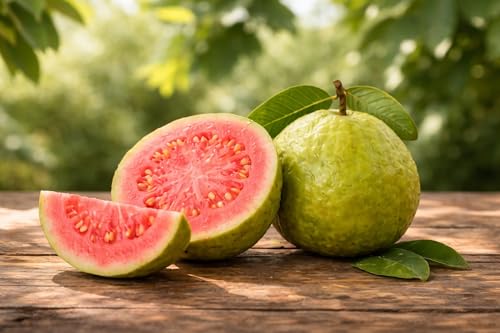
1. Grow Your Own Tropical Guava Tree Enjoy planting your own tropical fruit tree with these guava seeds for planting. Suitable for home gardens, patios, containers, raised beds, and greenhouse growing.
Watering Techniques for Guava Trees
Proper watering techniques are essential for cultivating healthy guava trees in Portland’s unique Pacific Northwest climate. Understanding the specific moisture needs of these tropical plants can greatly influence their growth and fruit production. This section will explore effective watering strategies to ensure your guava trees thrive in the region’s conditions.
Regular watering and fertilization are vital for optimal growth and fruit production. Guava trees prefer consistent moisture but do not tolerate waterlogged conditions. Follow these guidelines:
Water deeply: Water once a week, increasing frequency during dry spells.
Use balanced fertilizer: Apply a slow-release fertilizer in early spring and again in mid-summer.
| Fertilizer Type | Application Frequency | Nutrient Ratio |
|---|---|---|
| Slow-release granules | Twice a year | 10-10-10 |
| Organic compost | Monthly | Varies |
Guava Fruit Harvesting Techniques in PNW
Harvesting guava fruit in the Pacific Northwest presents unique challenges due to the region’s climate. Understanding the right techniques can significantly enhance your yield and fruit quality. This section explores effective methods for harvesting guava, tailored specifically for the conditions found in Portland, Oregon.
Knowing when and how to harvest guava fruits is essential for the best flavor. Guavas are typically ready for harvest when they change color and emit a sweet aroma. Here are the steps to follow:
Monitor fruit color: Look for a change from green to yellow or light green.
Check for softness: Gently squeeze the fruit; it should yield slightly.
Use pruning shears: Cut the fruit from the stem to avoid damage.
Harvesting too early can result in sour fruit.
Pest Control Strategies for Guava Trees
Pest control is crucial for maintaining healthy guava trees, especially in the unique climate of Portland, Oregon. Understanding the specific pests that target guava trees and implementing effective strategies can help ensure a bountiful harvest. This section will explore practical methods for protecting your trees from common pests in the Pacific Northwest.
Pest and disease management is vital for maintaining healthy guava trees. Common issues include fruit flies and fungal infections. Implement these strategies:
Regular inspections: Check for signs of pests or disease weekly.
Use organic pesticides: Apply neem oil or insecticidal soap as needed.
Promote beneficial insects: Attract ladybugs and lacewings to control pests naturally.
| Common Pest | Symptoms | Control Method |
|---|---|---|
| Fruit flies | Holes in fruit | Organic traps |
| Fungal infections | Leaf spots | Neem oil application |
Year-Round Guava Tree Care Strategies
Caring for guava trees in Portland requires a tailored approach due to the unique Pacific Northwest climate. Understanding the specific needs of these tropical plants throughout the year is essential for successful growth and fruit production. This section outlines effective strategies to ensure your guava trees thrive in the region’s conditions.
Seasonal care is crucial for the longevity and productivity of guava trees. Adjust your care regimen based on seasonal changes. Here’s what to focus on throughout the year:
Spring: Plant and fertilize.
Summer: Monitor for pests and ensure adequate watering.
Fall: Prepare for winter by mulching and pruning.
Winter: Protect young trees from frost with burlap or frost cloth.
Implementing these practices will enhance your guava harvest and ensure your trees thrive in Portland’s unique climate.
