


Are you considering using almond tree mulch in your garden? Let's explore whether it's really as beneficial as people say.
Before you start using it, let's take a closer look at what almond tree mulch can do for your garden. You might be surprised by what you'll learn about this simple addition.
Are you curious to find out if almond tree mulch is the secret weapon your garden needs?
Key Takeaways
- Almond tree mulch is rich in nutrients, enhancing soil fertility and promoting healthy plant growth.
- It improves soil structure, water retention, and aeration, benefiting overall soil health.
- Almond tree mulch suppresses weed growth and conserves water by reducing evaporation, allowing plants to thrive.
- While there may be potential drawbacks and considerations, following best practices for using almond tree mulch can maximize its benefits in the garden.
Nutrient-Rich Properties of Almond Tree Mulch
Almond tree mulch is rich in nutrients, providing a natural and effective way to enhance the fertility of your garden soil. When used as a soil amendment, almond tree mulch slowly breaks down, releasing essential nutrients such as nitrogen, potassium, and phosphorus into the soil.
This nutrient-rich mulch not only improves the soil structure but also enhances nutrient absorption by plants, promoting healthy growth and development. As the mulch decomposes, it encourages beneficial microbial activity, further enriching the soil and supporting a thriving ecosystem for your garden.
Additionally, the gradual decomposition of almond tree mulch helps to regulate soil temperature and moisture, reducing water evaporation and erosion. By incorporating almond tree mulch into your garden, you can naturally boost soil fertility and create an optimal environment for your plants to flourish.
Improving Soil Health With Almond Tree Mulch
Improving the health of your garden soil can be achieved by utilizing the nutrient-rich properties of almond tree mulch. Almond tree mulch slowly releases essential nutrients into the soil, promoting optimal conditions for plant growth and fostering a thriving ecosystem.
Almond tree mulch improves soil fertility by enhancing its structure. It allows better water retention and aeration while reducing erosion. This improvement in soil structure creates an environment that is conducive to healthy plant growth.
Additionally, almond tree mulch stimulates microbial activity in the soil. Microbes play a crucial role in the decomposition process of organic matter. By promoting microbial activity, the mulch helps break down organic matter, releasing additional nutrients into the soil. This further enriches the soil and provides plants with the necessary nutrients for their growth.
As the almond tree mulch breaks down over time, it adds valuable organic matter to the soil. This organic matter improves the overall health of the soil by increasing its nutrient content and enhancing its ability to retain water. By incorporating almond tree mulch into your garden, you can effectively enhance the fertility and structure of the soil.
Furthermore, almond tree mulch supports vital microbial activity and decomposition processes. These processes are essential for maintaining a healthy soil ecosystem and promoting the overall health of your garden.
Recommended Products
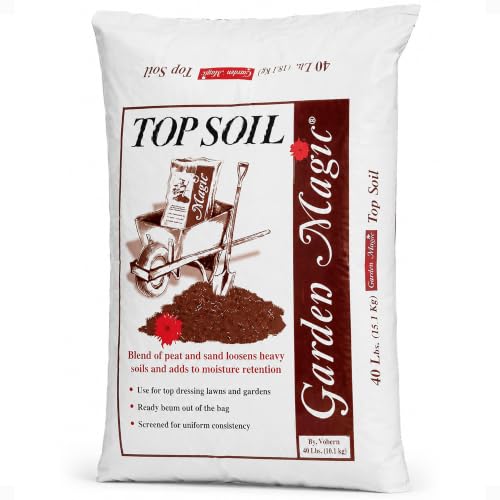
Ready-to-Use for All Planting Needs: This general-purpose potting soil is ready to use out of the bag, perfect for both indoor and outdoor planting without any extra prep

ALL-NATURAL INGREDIENTS: No added fertilizers or pesticides

Compressed Block Replaces Heavy Bags: No more heavy, messy, bulky bags—this compressed block is easy to carry, store, and handle. Just add water and it expands in minutes into ready-to-use mulch for fast, simple application
Weed Suppression and Moisture Retention Benefits
To effectively manage weed growth and improve moisture retention in your garden, consider using almond tree mulch as a natural and beneficial solution.
Almond tree mulch acts as a soil amendment, enriching the soil with essential nutrients while creating an environment that suppresses weed growth.
As the mulch breaks down, it releases valuable organic matter into the soil, enhancing its fertility and structure. This natural process helps in water conservation by reducing evaporation and promoting better moisture retention in the soil.
By inhibiting weed growth, almond tree mulch also minimizes competition for water, allowing your plants to thrive.
With its dual benefits of weed suppression and moisture retention, almond tree mulch is a sustainable and effective choice for maintaining a healthy and flourishing garden.
Potential Drawbacks of Almond Tree Mulch
Consider some potential drawbacks of using almond tree mulch in your garden to make an informed decision about its suitability for your specific gardening needs.
- Environmental Impact: Almond tree mulch production may have environmental implications, such as the intensive water requirements for almond cultivation in some regions, which could contribute to water scarcity concerns.
- Nutrient Imbalance: Almond tree mulch, being high in lignin, takes longer to decompose compared to other mulches, potentially leading to a temporary nitrogen imbalance in the soil as microorganisms work to break it down.
- Potential for Pest Attraction: Almond tree mulch may attract specific pests, such as rodents or insects, which could affect your garden's ecosystem.
- Availability and Cost: Depending on your location, almond tree mulch might be less readily available and more costly than other mulch options, prompting you to consider alternative options.
Recommended Products

High-Quality Non-Woven Fabric: Crafted from top-tier felt, these tree ring mulch mat offer long-lasting performance, ensuring optimal care for your trees.Before purchasing, please be aware of the hardness of this type of non-woven felt mat, which is different from the wooden tree ring

PREMIUM DARK WOOD MULCH: Rich, dark-colored shredded wood mulch creates a clean, finished appearance around gardens, flower beds, trees, shrubs, borders, and pathways

NATURAL GARDEN COVER: Creates a clean, polished garden surface while helping minimize weed growth naturally. This organic mulch also supports healthy soil structure and nutrient balance for thriving plants.
Best Practices for Using Almond Tree Mulch in Gardens
After considering the potential drawbacks of using almond tree mulch in your garden, it's essential to understand the best practices for incorporating this mulch to maximize its benefits while mitigating any potential issues.
When applying almond tree mulch, ensure that it's spread evenly around your plants, creating a layer about 2-4 inches thick. This thickness allows the mulch to retain moisture, suppress weeds, and regulate soil temperature effectively.
Make sure to keep the mulch a few inches away from plant stems to prevent rot and pest issues. In organic gardening, almond tree mulch is a valuable resource, providing a slow release of nutrients as it decomposes. However, it's crucial to replenish the mulch regularly to maintain its effectiveness.
Conclusion
Incorporating almond tree mulch into your garden can significantly enhance its vitality. By providing essential nutrients, improving soil quality, and aiding in weed control and moisture retention, almond tree mulch offers a natural and sustainable way to boost your garden's health.
While being mindful of potential issues like mold and pests, utilizing almond tree mulch effectively can lead to a more productive and flourishing garden. Consider the long-term benefits of using this nutrient-rich mulch and how it can contribute to the overall well-being of your garden.
Happy gardening!
