

Have you ever wondered how long it takes for an olive tree to start bearing fruit? If you’re thinking about planting one or just curious about these resilient trees, you’re not alone. Many people find themselves fascinated by the journey from seedling to fruitful tree.
Key Takeaways
- Lifecycle Stages: Olive trees progress through several stages, starting from seedling to young tree, and finally maturing to fruit-bearing trees, typically taking 3 to 6 years to produce fruit after planting.
- Varietal Differences: Different olive tree varieties, such as Arbequina, Manzanilla, and Kalamata, have varying timelines for fruit production, ranging from 2 to 6 years.
- Growing Conditions: Optimal factors like soil quality, water availability, sunlight exposure, and temperature significantly influence the age at which olive trees begin to bear fruit.
- Pruning and Care: Proper pruning techniques, consistent watering practices, and careful fertilization can enhance both the fruit quality and yield, ensuring a more effective fruiting process.
- Stress Factors: Environmental stressors, such as drought, can delay fruiting, while some fast-growing cultivars may yield fruit earlier than the typical range.
- Long-Term Production: With proper care, mature olive trees can produce olives for decades, with peak production occurring between 15 to 30 years of age.
The Lifecycle Of Olive Trees
Olive trees undergo several growth stages before they bear fruit. Below is a detailed breakdown of this lifecycle.
Seedling Stage
- When you plant an olive seed, it typically germinates within two to three weeks.
- Olive seedlings grow for about 1 to 2 years before they reach a suitable height for transplanting.
Young Tree Stage
- Transplanting occurs when seedlings are about 2 feet tall.
- During this stage, the tree develops a strong root system and grows steadily.
- You can expect growth for up to 4 to 5 years before the tree begins fruiting.
Mature Tree Stage
- Most olive trees start producing fruit between 3 to 6 years after planting.
- Environmental factors, care, and the olive variety influence fruit-bearing age.
- Regular pruning helps enhance fruit production as trees mature.
- Between 15 to 30 years, olive trees reach peak fruit production.
- Yield varies based on tree health and care, but mature trees can produce between 40 to 250 pounds of olives annually.
- With optimal conditions and care, some trees continue to bear fruit for up to 100 years.
Understanding these stages helps you plan your planting and care routine effectively. Focus on nurturing your olive tree through each stage for the best fruiting results.
Factors Influencing Fruiting Age
Several elements affect when an olive tree starts producing fruit. Understanding these factors can help you manage expectations and care more effectively for your trees.
Recommended Products

The Olive Arbequinal plant produces an abundant harvest of flavorful olives, perfect for curing or pressing into high-quality olive oil.

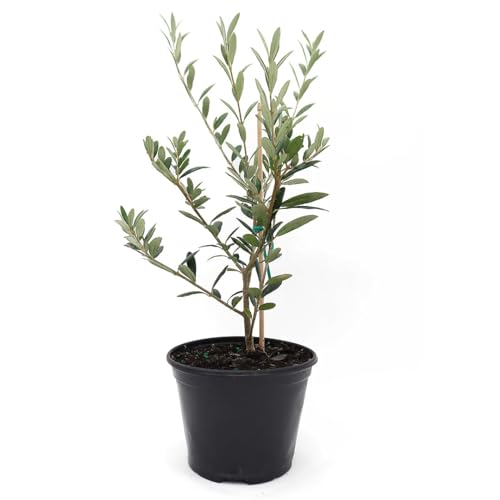
TIMELESS ELEGANCE: The Olive Tree is a symbol of timeless elegance and grace. With its slender, silvery leaves and twisting branches, this tree adds a touch of Mediterranean charm to any home. Embrace the beauty of ancient civilizations as you bring the allure of olive groves to your own garden or home.
Varietal Differences
Different olive tree varieties mature at varying rates. Most common types include:
- Arbequina: Fruiting begins around 2 to 3 years after planting.
- Manzanilla: Typically starts producing after 3 to 4 years.
- Kalamata: May take 4 to 6 years to bear fruit.
Selecting the right variety for your region and climate can significantly impact fruiting onset.
Growing Conditions
Growing conditions also play a crucial role in determining when olive trees fruit. Key factors include:
- Soil Quality: Well-draining, loamy soil enhances root development and nutrient uptake.
- Water Availability: Adequate water during early growth helps establish healthy trees. However, overwatering can harm fruit production.
- Sunlight Exposure: Olive trees thrive in full sun. Aim for at least 6 to 8 hours of direct sunlight daily.
- Temperature: Olive trees prefer mild, Mediterranean climates. Extreme cold can delay fruiting.
- Fertilization Practices: Regularly applying balanced fertilizers promotes healthy growth and earlier fruiting.
By paying attention to varietal choices and optimizing growing conditions, you can increase the likelihood of timely fruit production in your olive trees.
Typical Age For Fruiting
Olive trees typically bear fruit within a specific timeframe, influenced by various factors. Understanding these timelines helps you manage expectations when planting.
Common Milestones
Most olive trees start producing fruit between 3 to 6 years after planting. During this period, trees develop a robust structure necessary for fruit production.
- 2 to 3 Years: Seedlings grow strong enough for transplanting.
- 4 to 5 Years: Young trees establish a solid root system, preparing for fruiting.
- 3 to 6 Years: Your trees transition into the fruit-bearing stage.
Certain varieties, such as Arbequina and Manzanilla, may begin fruiting sooner, usually around the 2 to 4-year mark. In contrast, others like Kalamata might take closer to 5 to 6 years.
Rare Exceptions
Occasionally, some olive trees may bear fruit earlier or later than the typical ranges. Environmental conditions can lead to unexpected fruiting patterns.
- Exceptional Varieties: Some fast-growing cultivars can produce fruit in just 2 years.
- Stress Factors: Adverse conditions, such as drought or pest infestations, can delay fruiting.
It’s essential to monitor tree health and provide optimal care to ensure your olive trees fruit efficiently.
Impacts Of Pruning And Care
Pruning and care significantly impact the fruiting timeline of olive trees. Proper techniques enhance both fruit quality and yield.
Recommended Products

ULTRA SHARP - Much less effort to cut branches with our pruning shears. Crafted from premium SK5 steel with titanium coating, our garden scissors and garden clippers boast exceptional durability and sharpness. A perfect pruning shears for gardening and a must-have garden tool, hedge clippers pruners for gardening

REDUCE HAND STRESS- This scissors was made to eliminate the day to day stress that comes from long time pruning with our soft grip handles, sharp stainless steel blades and springless design to allow free movement

AMBIDEXTROUS DESIGN: Pruner shape is designed for both right and left-handed use while pruning indoor & outdoor plants such as shrubs, ornamental trees, vines, & flowers like roses; SoftGrip handle reduces hand fatigue & enhances comfort and control
Pruning Techniques
- Timing: Prune olive trees in late winter or early spring before new growth starts.
- Methods: Use the thinning method to remove older branches. This encourages new growth and increases sunlight exposure. Cut back on excess foliage, focusing on branches that cross or overlap.
Watering Practices
- Consistency: Water deeply but infrequently. This promotes strong root systems.
- Soil Moisture: Check soil moisture regularly, targeting a balance. Dry soil near the root zone helps develop drought resistance; avoid waterlogging which leads to root rot.
Fertilization Strategies
- Choosing Fertilizers: Use balanced fertilizers that provide nitrogen, phosphorus, and potassium. Look for formulations labeled for fruiting trees.
- Application Timing: Fertilize in early spring as new growth begins. Reapply during the growing season if needed.
Pest and Disease Management
- Regular Inspections: Monitor trees for signs of pests, like olive fruit flies or aphids. Early detection is essential for effective treatment.
- Organic Solutions: Consider using neem oil or insecticidal soap for pest control. These options protect beneficial insects while managing pests.
- Sunlight: Ensure olive trees receive at least 6 hours of direct sunlight each day. Proper placement in your landscape promotes better fruiting.
- Soil Quality: Test soil for pH and nutrient levels. Olive trees thrive in well-drained, slightly alkaline soils. Amend as necessary to optimize growth conditions.
By implementing these practices, you create an environment that supports healthy olive trees, encouraging them to bear fruit more efficiently and effectively.
Conclusion
Growing olive trees can be a rewarding journey filled with anticipation. Understanding the timeline for fruit production helps you set realistic expectations and plan your care routine. By choosing the right variety and providing optimal conditions you can encourage your trees to thrive and produce delicious olives.
Remember that patience is key as your trees mature. With the right attention and care your olive trees can become a fruitful addition to your garden for many years to come. Enjoy the process and celebrate each milestone along the way. Happy gardening!
Frequently Asked Questions
How long does it take for an olive tree to produce fruit?
Most olive trees start bearing fruit between 3 to 6 years after planting. However, some varieties, like Arbequina and Manzanilla, may produce as early as 2 to 4 years.
What factors influence the fruiting age of olive trees?
The age at which olive trees begin to fruit is influenced by varietal differences, growing conditions (like soil quality and sunlight), and care practices (such as irrigation and fertilization).
How can I increase the chances of my olive tree bearing fruit?
To enhance fruiting, choose the right variety for your climate, optimize growing conditions, practice proper pruning, and provide adequate water and nutrients throughout the tree’s growth.
What is the peak production age for olive trees?
Olive trees reach their peak production age between 15 to 30 years. At this stage, mature trees can yield between 40 to 250 pounds of olives annually.
Can olive trees produce fruit for a long time?
Yes, olive trees can continue to bear fruit for up to 100 years, making them a long-lasting addition to any garden or orchard.
What are the best practices for watering olive trees?
Deep but infrequent watering is recommended. This approach helps to promote strong root development and ensures the tree receives adequate moisture without waterlogging.
How important is fertilization for olive trees?
Fertilization is essential for healthy growth and fruit production. Use balanced fertilizers and apply them during the growing season to support optimal development.
What role does pruning play in olive tree care?
Proper pruning helps to enhance fruit quality and yield. Timing and technique are crucial, as they can significantly affect the tree’s overall health and productivity.
