
Close Menu
    Fruit Tree Hub
    • Home
    • Apple Trees
    • Lemon Trees
    • Mango Trees
    • Orange Trees
    • More Trees
      • Best Fruit Trees
      • Apricot Trees
      • Cherry Trees
      • Fig Trees
      • Lime Trees
      • Mulberry Trees
      • Peach Trees
      • Pear Trees
      • Plum Trees
      • Pomegranate Trees
    • Tips and Advice
      • Tools
    • About Us
      • Contact
      • Privacy Policy
    Fruit Tree Hub
    Home»Fruit Trees»Almond Trees»How to Control Pests on Almond Trees
    Almond Trees

    How to Control Pests on Almond Trees

    Lucy SmithBy Lucy SmithJanuary 23, 20245 Mins Read
    Share Facebook Twitter Pinterest WhatsApp Email
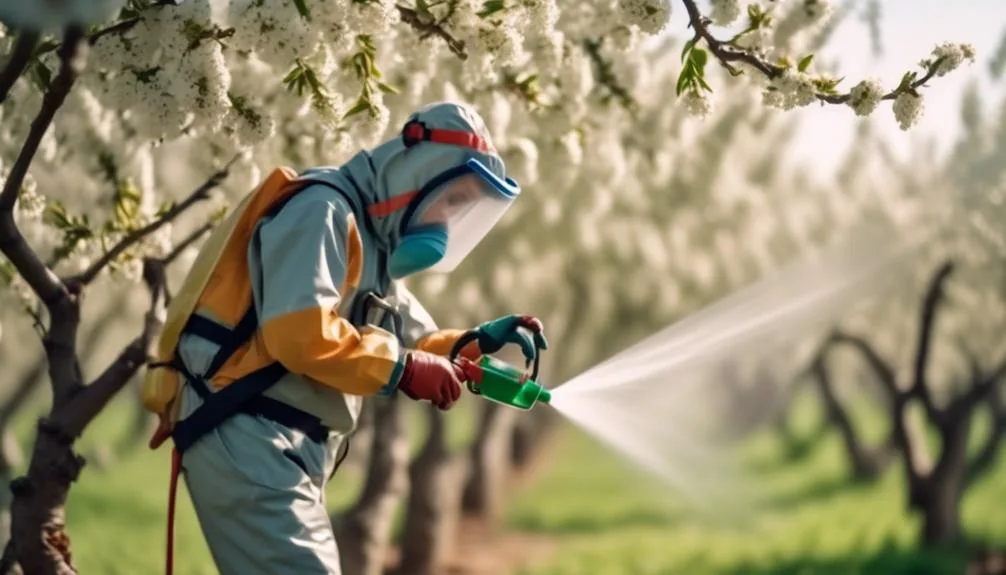
    almond tree pest control
    Share
    Facebook Twitter LinkedIn Pinterest Telegram Email

    Dealing with pests on your almond trees can be a real headache. But fear not! We've got all the info you need to tackle this issue.

    Contents show
    1 Key Takeaways
    2 Identifying Common Pests on Almond Trees
    3 Natural and Organic Pest Control Methods
    4 Chemical Pest Control Options
    5 Integrated Pest Management Strategies
    6 Preventing Future Pest Infestations
    7 Conclusion

    From spotting common pests to using natural and organic methods, and even considering chemical options, we'll cover it all.

    By the end, you'll have the know-how to protect your almond trees and ensure a great harvest.

    Key Takeaways

    • Early identification of pests on almond trees is crucial to prevent infestations and minimize damage.
    • Natural and organic pest control methods, such as using beneficial insects like ladybugs and lacewings, can effectively control pests on almond trees.
    • Neem oil, derived from neem tree seeds, is a natural insecticide and repellent that disrupts pests' feeding and reproductive behaviors.
    • Integrated Pest Management (IPM) strategies prioritize environmentally friendly approaches, minimize chemical usage, and preserve beneficial insects and pollinators.

    Identifying Common Pests on Almond Trees

    When inspecting your almond trees for pests, it's essential to be able to identify the common culprits that can threaten their health and productivity. Pest monitoring is crucial for maintaining the health of your almond trees.

    Keep an eye out for aphids, mites, and navel orangeworms, as these are some of the most common pests that can infest almond trees. Aphids can cause damage by sucking sap from the trees, while mites can cause discoloration and stunted growth. Navel orangeworms, on the other hand, can cause damage to the nuts by burrowing inside.

    MUST READ
    How to Create an Almond Tree Orchard

    Identifying these pests early on is key to preventing infestations and minimizing damage to your almond trees. Regular pest identification and monitoring will help you take timely action to protect your trees and ensure a healthy, productive harvest.

    Natural and Organic Pest Control Methods

    As you seek to safeguard your almond trees from common pests, exploring natural and organic pest control methods presents a proactive approach to maintaining their health and productivity.

    Beneficial insects such as ladybugs, lacewings, and predatory mites can be introduced to your almond orchard to help control pest populations. These insects are natural predators of common almond tree pests like aphids, mites, and caterpillars.

    Additionally, neem oil, derived from the seeds of the neem tree, is a natural insecticide and repellent that can effectively manage pests without harming beneficial insects or other wildlife. Neem oil disrupts the feeding and reproductive behaviors of pests, reducing their impact on almond trees.

    When used together, beneficial insects and neem oil offer a sustainable and environmentally friendly approach to pest control on almond trees.

    Recommended Products
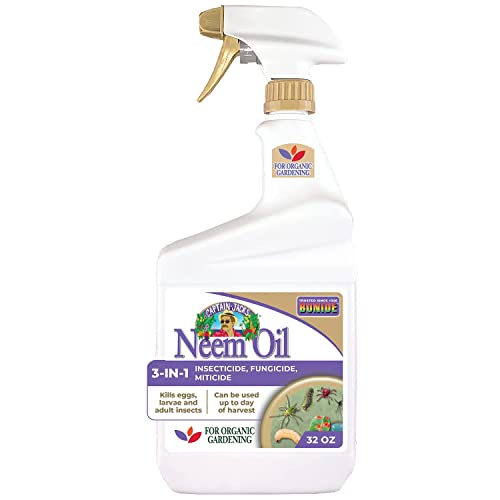
    Bonide Captain Jack's Neem Oil Spray for Plants, 32 oz Ready-to-Use | 3-in-1 Protection Against Insects, Diseases and Mites, For Indoor and Outdoor Plants, Approved for Organic Gardening
    Bonide Captain Jack's Neem Oil Spray for Plants, 32 oz Ready-to-Use | 3-in-1 Protection Against Insects, Diseases and Mites, For Indoor and Outdoor Plants, Approved for Organic Gardening

    Protect your oasis with 3 garden products in 1 from Captain Jack’s; Bonide Captain Jack’s Ready-to-Use Neem Oil spray for plants is a multi-purpose fungicide, insecticide and miticide for your lawn & garden

    VIEW LATEST PRICE

    As an affiliate, we earn on qualifying purchases.

    BioAdvanced Organics Brand Neem Oil Spray - 24 fl oz | Ready-To-Use Garden Protection Spray - 3-in-1 Fungicide, Insecticide & Miticide
    BioAdvanced Organics Brand Neem Oil Spray - 24 fl oz | Ready-To-Use Garden Protection Spray - 3-in-1 Fungicide, Insecticide & Miticide

    FUNGAL DISEASE CONTROL: Prevents and controls black spot on roses, powdery mildew, rust, downy mildew, and other listed fungal diseases when applied on a 7–14 day schedule
    MUST READ
    Where to Plant Almond Trees for Best Nut Production
    VIEW LATEST PRICE

    As an affiliate, we earn on qualifying purchases.

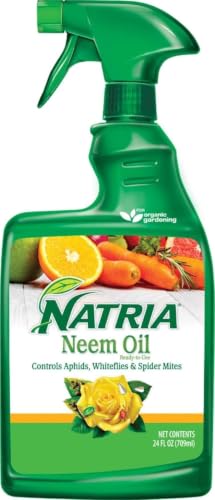
    Natria Neem Oil Spray for Gardening - 24 oz Bottle | Ready-to-Use - Pest Control & Disease Control - Use for Houseplants and Home Gardens
    Natria Neem Oil Spray for Gardening - 24 oz Bottle | Ready-to-Use - Pest Control & Disease Control - Use for Houseplants and Home Gardens

    PLANT DISEASE CONTROL: Natria Neem Oil acts as an insecticide and fungicide in one convenient spray; Ready-to-use trigger sprayer requires no mixing

    VIEW LATEST PRICE

    As an affiliate, we earn on qualifying purchases.

    Chemical Pest Control Options

    Consider using chemical pest control options as a last resort to address persistent pest issues on your almond trees, ensuring careful consideration of their potential impact on the environment and non-target organisms.

    When opting for chemical pest control, look for pest-resistant rootstocks that can naturally deter pests. Additionally, targeted spraying techniques can minimize the use of chemicals, reducing the impact on beneficial insects and the environment.

    It's crucial to follow all label instructions when using chemical pesticides, applying them at the appropriate times and rates to effectively manage pest populations while minimizing harm to non-target organisms.

    Always prioritize the safety of beneficial insects, such as pollinators, when using chemical pest control methods.

    Remember to regularly monitor the effectiveness of these chemical pest control options and consider alternative methods if feasible.

    Recommended Products

    BioAdvanced Tree & Shrub Insect Killer Spray - Outdoor Pest Control - 32 oz | Ready-to-Spray - Kills on Contact - Rainproof in 1 Hour - Up to 2 Weeks Protection
    BioAdvanced Tree & Shrub Insect Killer Spray - Outdoor Pest Control - 32 oz | Ready-to-Spray - Kills on Contact - Rainproof in 1 Hour - Up to 2 Weeks Protection

    INSECT KILLER: Fast-acting formula kills listed insects including aphids, Japanese beetles, caterpillars, whiteflies, and other listed pests on contact

    VIEW LATEST PRICE

    As an affiliate, we earn on qualifying purchases.

    MUST READ
    Is Almond Oil Extracted From All Types of Almonds
    Bonide Captain Jack's Fruit Tree Spray, 32 oz Concentrate | Insect & Disease Control, For Organic Gardening
    Bonide Captain Jack's Fruit Tree Spray, 32 oz Concentrate | Insect & Disease Control, For Organic Gardening

    Control diseases and insects in your garden with Captain Jack’s Fruit Tree Spray Concentrate! Use on a variety of listed fruits, nuts and citrus plants.

    VIEW LATEST PRICE

    As an affiliate, we earn on qualifying purchases.

    Ortho Tree & Shrub Fruit Tree Spray Concentrate, 16 fl. oz. | Combination Bug Killer and Fungicide for Plants, Pest Control Concentrate
    Ortho Tree & Shrub Fruit Tree Spray Concentrate, 16 fl. oz. | Combination Bug Killer and Fungicide for Plants, Pest Control Concentrate

    APHID KILLER FOR GARDENS: This plant disease and bug control concentrate kills eggs, as well as larval and adult stages of insects; provides control of insect pests including aphids, mealybugs, mites, scales, whiteflies, beetles, and other listed pests

    VIEW LATEST PRICE

    As an affiliate, we earn on qualifying purchases.

    Integrated Pest Management Strategies

    To effectively manage pest issues on your almond trees, consider implementing integrated pest management strategies that prioritize environmentally friendly and sustainable approaches over chemical pest control options. Integrated Pest Management (IPM) offers several benefits, including:

    • Reduced Chemical Usage: IPM focuses on minimizing the use of chemical pesticides, which can be harmful to the environment and non-targeted species.
    • Effective Pest Control: By utilizing a combination of biological, cultural, and mechanical control methods, IPM can effectively manage pest populations.
    • Preservation of Beneficial Insects: IPM aims to preserve natural predators and pollinators, maintaining a balanced ecosystem in your almond orchard.
    • Long-Term Sustainability: Implementing IPM practices helps in creating a sustainable and resilient environment, reducing the risk of pest resistance.

    Preventing Future Pest Infestations

    Implement proactive measures to safeguard your almond trees against future pest infestations, promoting the health and productivity of your orchard.

    MUST READ
    The Best Fertilizers for Healthy Almond Trees

    Start by focusing on soil health. Mulching around the base of your trees helps to retain moisture, improve soil structure, and foster a healthy ecosystem for beneficial soil organisms, which in turn can help in pest control.

    Additionally, consider companion planting. Certain plants like marigolds, mint, and chives can deter pests or attract beneficial insects that prey on common almond tree pests.

    Introducing beneficial insects such as ladybugs and lacewings can also aid in pest control. By diversifying the plant life in your orchard, you create a balanced ecosystem that naturally regulates pest populations, reducing the need for chemical interventions.

    These proactive steps can fortify your almond trees against future pest infestations.

    Conclusion

    By implementing the methods discussed, you can effectively manage pests on your almond trees and maintain their health and productivity.

    With a focus on integrated pest management and preventive strategies, you can create a pest-free environment for your trees, ensuring a bountiful harvest for years to come.

    Consistent care and attention will keep your almond trees thriving and contribute to a sustainable and fruitful orchard.

    Share. Facebook Twitter Pinterest LinkedIn Tumblr Email
    lucy smith
    Lucy Smith
    • Website

    Lucy Smith is a highly experienced horticulturist with a passion for fruit tree cultivation. She holds a degree in Horticulture from the University of California, Davis, and has worked in various roles in the industry. With over 10 years of experience, Lucy is dedicated to using eco-friendly methods for sustainable gardening practices.

    Related Posts

    Why Do Almond Trees Produce Bitter Almonds

    January 28, 2024

    Can Almond Trees Adapt to Climate Change

    January 28, 2024

    Creating a Wildlife Habitat With Almond Trees

    January 28, 2024

    Where Are Almond Trees Considered Invasive

    January 28, 2024

    Is Almond Tree Pollen Allergenic

    January 27, 2024

    Can Almond Trees Be Used in Traditional Medicine

    January 27, 2024
    Leave A Reply Cancel Reply

    Affiliate Disclosure

    As an Amazon Associate I earn from qualifying purchases.

    Recommended Reading

    What Fruit Trees Are Good to Plant Together for a Thriving Backyard Garden

    How Many Years Until an Apple Tree Bears Fruit: Your Guide to Growing Apples Successfully

    When Do Orange Trees Bear Fruit and How to Care for Them for a Lush Harvest

    Blackberries: The Ultimate Guide to Growing as Vines or Bushes

    Growing Tangerine Trees in a Pot in Iowa: Avoid Common Mistakes

    Are Nectarine Trees Poisonous to Dogs? Protect Your Pup with Prevention Tips

    Persimmon Trees in a Pot in South Carolina: Southern Growth Secrets

    How to Get Pear Tree to Fruit: Essential Tips for a Bountiful Harvest

    Can Grapefruit Trees Survive Winter? Tips to Ensure Tree Health and Productivity

    Where Can I Get Fruit Trees: Best Local and Online Sources for Your Garden

    Fruit Tree Hub

    Fruit Tree Hub is a website dedicated to providing you everything you need to grow fruit trees successfully at in your own yard.

    Contact us at: [email protected]

    - AFFILIATE DISCLOSURE: As an Amazon Associate I earn from qualifying purchases.

    Latest Posts

    18 Coastal Crochet Tops in White and Neutral Shades

    16 Retro Crochet Tops Built Around Multicolor Granny Squares

    16 Modest Crochet Tops Featuring Higher Necklines

    19 Cottagecore Crochet Tops With Square Necklines

    13 Ruffled Crochet Tops With Flared Hems

    19 Lace Crochet Tops Featuring Intricate Openwork

    14 Floral Crochet Tops Inspired by Botanical Motifs

    20 Boho Crochet Halter Tops for Festival Outfits

    Categories
    • Almond Trees
    • Apple Trees
    • Apricot Trees
    • Best Fruit Trees
    • Blackberry
    • Cantaloupe
    • Cherry Trees
    • Christmas Crochet Ideas
    • Crochet Bag Ideas
    • Crochet Blanket Ideas
    • Crochet Dress Ideas
    • Crochet Ideas
    • Crochet Ideas for Beginners
    • Crochet Top Ideas
    • Cucamelon
    • Easy Crochet Ideas
    • Easy Knitting Projects
    • Fall Crochet Ideas
    • Fig Trees
    • Grapefruit Trees
    • Grapes
    • Guava Trees
    • Halloween Crochet Ideas
    • Honeydew
    • Jujube Trees
    • Kiwi
    • Knitting For Beginners
    • Knitting Ideas
    • Knitting Inspiration
    • Lemon Trees
    • Lime Trees
    • Loquat Trees
    • Mango Trees
    • Mulberry Trees
    • Nectarine Trees
    • Olive Trees
    • Orange Trees
    • Papaya Trees
    • Peach Trees
    • Pear Trees
    • Persimmon Trees
    • Planting
    • Plum Trees
    • Pomegranate Trees
    • Quince Trees
    • Raspberry
    • Reviews
    • Small Crochet Ideas
    • Star Fruit Trees
    • Summer Crochet Ideas
    • Tamarind Trees
    • Tangerine Trees
    • Tips and Advice
    • Tools
    • Uncategorized
    • Walnut Trees
    • Winter Crochet Ideas
    © 2026 Fruit Tree Hub
    • Home
    • About Us
    • Contact
    • Privacy Policy
    • Terms and Conditions
    • Disclaimer
    • Editorial Policy
    • Affiliate Disclosure

    Type above and press Enter to search. Press Esc to cancel.