

Are your young fruit trees ready to face the winter chill? As temperatures drop, these tender plants need a little extra care to survive the harsh conditions. Without proper winterization, you might risk losing your hard work and investment.
Key Takeaways
- Protection from Cold: Winterizing young fruit trees is crucial to prevent freeze damage, which can lead to bark splitting and root dieback.
- Moisture Retention: Applying mulch around the base helps retain soil moisture and regulates temperature, crucial for young trees during dry winter conditions.
- Pest Prevention: Clearing fallen leaves and using protective barriers can reduce pest infestations, safeguarding young trees from potential harm.
- Encourages Healthy Growth: Proper winter care ensures stronger growth in the spring, promoting a fruitful harvest season for your young trees.
- Investment Protection: Taking the time to winterize your trees protects both your time and financial investment, leading to long-term gardening success.
- Optimal Placement: Choosing a sunny and wind-protected location enhances the resilience of young fruit trees against harsh winter conditions.
Importance Of Winterizing Young Fruit Trees
Winterizing young fruit trees protects them from harsh weather conditions. These trees are particularly vulnerable during their first few years, as their root systems are not fully established. Proper care helps ensure their survival and promotes healthy growth when spring arrives.
Prevents Freeze Damage
Cold temperatures can cause freeze damage. Young trees may experience bark splitting or root dieback if not shielded from frost. Covering trunks with protective materials like burlap reduces exposure and minimizes the risk of cold injury.
Retains Moisture
Winter often brings dry air, which can dehydrate trees. Applying mulch around the base retains moisture in the soil. This practice not only protects roots but also helps regulate soil temperature as the cold sets in.
Reduces Pest Infestations
Certain pests seek shelter in young trees during winter. Removing fallen leaves and debris from around the tree discourages pests from nesting. Using protective barriers, such as tree guards, can also prevent animals from damaging sensitive bark.
Encourages Spring Growth
Healthy trees enter dormancy during winter. Proper winterization encourages strong spring growth, allowing trees to produce more fruit. When trees are well-cared for during the colder months, they require less recovery time in the spring, leading to a more fruitful season.
Protects Your Investment
Young fruit trees represent both time and financial investment. Neglecting winter care risks losing the trees, which means losing money. Taking time to winterize ensures that your efforts and resources contribute to the long-term success of your garden.
With these practices in place, you’ll foster a thriving environment for your young fruit trees, allowing them to flourish season after season.
Steps To Winterize Young Fruit Trees
Taking the right steps to winterize your young fruit trees ensures their health and longevity. Protective measures taken now lead to stronger trees when spring arrives.
Recommended Products

· ULTRA-SHARP SK5 STAINLESS STEEL - Engineered with premium SK5 stainless steel, these heavy duty pruning shears deliver razor-sharp precision and maximum hardness. The rust-resistant blades are designed to stay sharp longer, effortlessly resisting corrosion and sap buildup for smooth, friction-free garden shears performance year after year.
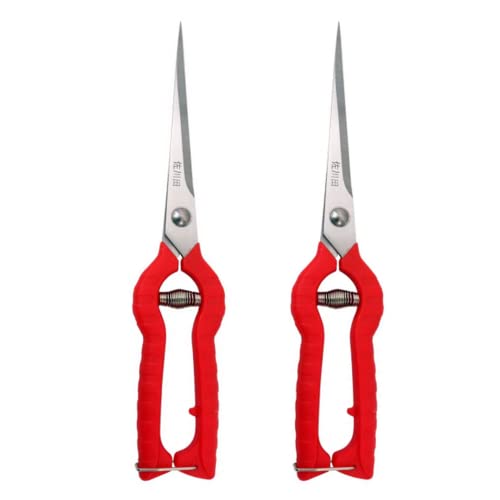
Total length : 245 mm blade length : 96 mm handle length : 122 mm closed handle width : 45 mm

DUAL CUTTING POWER: VERSATILE PRUNING COMBO --- With both Pruning Shears and Pruning Snip, this combo delivers unmatched versatility. Whether you're delicately trimming flowers and shrubs, tackling thicker tree branches, or tending to your vegetable and fruit garden, our combo pack excels in all areas. They're also perfect for landscaping projects and maintaining the health and appearance of indoor plants. With this pack, you have a versatile tool that simplifies your gardening tasks.
Pruning Techniques
Prune your young fruit trees before winter sets in. Focus on removing dead or damaged branches. Cut back any excessive growth to shape the tree and promote better air circulation. Aim for a scaffold of healthy branches that will support future fruit. Use clean, sharp pruning shears to prevent infection. Make diagonal cuts just above the bud, allowing for water drainage.
Proper Mulching Methods
Apply mulch around the base of your young fruit trees to conserve moisture and regulate soil temperature. Use organic materials like straw, wood chips, or shredded bark, layering 3 to 4 inches thick. Keep the mulch a few inches away from the trunk to avoid rot. The mulch also suppresses weeds that compete for nutrients. Replenish mulch as it decomposes to maintain optimal coverage.
Fertilization Requirements
Avoid fertilizing young fruit trees in late fall. Instead, focus on an early spring application of a balanced fertilizer. This schedule encourages healthy growth without promoting unwanted frost damage to tender shoots. Always follow package instructions for the correct amounts. A soil test can determine nutrient levels, guiding your fertilizer choice for best results.
Protecting Against Pests And Diseases
Protecting young fruit trees from pests and diseases during winter plays a crucial role in ensuring their survival and healthy growth. Various pests can remain active or overwinter in your garden, making it essential to implement preventive strategies.
Recommended Products

Control insects & diseases in your home garden with All Seasons Horticultural & Dormant Spray Oil Concentrate; use year-round to control listed insects and diseases

USE YEAR ROUND - Our 3-in-1 product provides year-round protection against insects, mites, and diseases. Can be used at the dormant stage, green tip stage, delayed dormant stage, and during the growing season to prevent pest infestations and disease.

Controls a number of insects including Mites, Leaf Rollers, Armyworms and more. See label for more.
Common Pests In Winter
- Codling Moth: Larvae can infest fruit during the winter. These pests hide in bark crevices or leaf litter, emerging in spring.
- Scale Insects: These small, immobile pests can cover tree bark. They’re often hard to detect but can weaken trees by feeding on sap.
- Spider Mites: These tiny pests can thrive in winter, particularly in dry conditions, leading to webbing and leaf damage.
- Ants: Ants can protect aphids during winter, as they offer a sugary substance in return. This partnership can damage your trees.
- Inspect Regularly: Check trees frequently for signs of pests or diseases, focusing on bark, branches, and soil.
- Remove Debris: Clear fallen leaves and fruit from around the base of the tree. This reduces places for pests to hide and breed.
- Use Dormant Oil: Apply dormant oil in late winter to suffocate overwintering pests. Ensure you follow manufacturer guidelines for proper application.
- Wrap Trunks: Wrap trunks with protective materials to deter pests from climbing and causing harm. Use tree guards or burlap that won’t constrict growth.
- Encourage Natural Predators: Attract birds and beneficial insects that prey on pests by providing habitats and food sources.
- Maintain Soil Health: Healthy soil supports strong trees. Implement organic practices to enrich the soil and encourage resilience against pests.
By taking these steps, you create a protective barrier for your young fruit trees, paving the way for a thriving garden come spring.
Choosing The Right Location
Selecting the appropriate location for winterizing young fruit trees enhances their chances of thriving through cold weather. Consider factors such as sunlight exposure and wind protection to create an ideal environment for your trees.
Sunlight Considerations
Sunlight plays a crucial role in the health of young fruit trees during winter. Ideally, position trees in areas that receive at least six hours of direct sunlight each day. Sunlight warms trees during the day, reducing the risk of frost damage at night.
Avoid shaded spots from buildings or other trees, as these limit sunlight exposure. Early sunlight can help melt frost and prevent freeze-thaw cycles that stress the tree. If you have limited sunny areas, consider using reflective mulch or white materials around the base to enhance light exposure.
Wind Protection Strategies
Wind protection is essential for young fruit trees in winter. Strong winds can desiccate trees and expose them to extreme temperatures. Look for natural windbreaks like hedges, fences, or existing trees to shield your young trees.
You can also create artificial windbreaks using burlap or shade cloth. Setting these up on the side facing prevailing winds can significantly reduce wind exposure. Ensure that any materials you use are not sealed tightly, as trees need some airflow to prevent moisture buildup and fungal diseases. Additionally, staking trees can provide added support to withstand strong gusts without damaging the young trunks.
Conclusion
Taking the time to winterize your young fruit trees is a game changer for their survival and growth. By following the right practices you’ll not only protect your investment but also set the stage for a bountiful spring.
Remember to cover trunks mulch generously and keep an eye out for pests. Choosing a good location with ample sunlight and wind protection makes a world of difference too.
With a little effort now your trees will be ready to thrive when warmer weather returns. You’ll be well on your way to enjoying a fruitful harvest in the seasons to come. Happy gardening!
Frequently Asked Questions
Why is it important to winterize young fruit trees?
Winterizing young fruit trees is vital to protect them from harsh winter weather, especially since their underdeveloped root systems make them susceptible to cold damage. Proper winterization ensures their survival and promotes healthy growth in spring, maximizing fruit production.
What are some key practices for winterizing young fruit trees?
Key practices include covering tree trunks with protective materials, applying 3 to 4 inches of organic mulch around the base (keeping it away from the trunk), pruning damaged branches, and regularly removing debris to prevent pest infestations.
When should I prune my young fruit trees?
Pruning should be done before winter to remove dead or damaged branches and shape the tree for improved air circulation. This helps enhance the overall health and vitality of the tree as it enters dormancy.
Should I fertilize my young fruit trees in late fall?
No, it’s not advisable to fertilize in late fall. Instead, apply balanced fertilizer in early spring, as this promotes healthy growth without risking frost damage to the trees during winter.
How can I protect young fruit trees from pests in winter?
To protect young fruit trees from winter pests, regularly inspect them for signs of infestation, remove debris, apply dormant oil to suffocate pests, and wrap trunks to deter climbing insects. Encouraging natural predators and maintaining soil health also helps.
What location is best for winterizing fruit trees?
Choose a location that receives at least six hours of direct sunlight daily to reduce frost risk. Additionally, ensure that the trees have wind protection, using natural barriers like hedges or artificial ones made from burlap or shade cloth.
How does mulch help young fruit trees in winter?
Mulch conserves moisture, regulates soil temperature, and prevents freeze-thaw cycles, which can harm young trees. A good layer of organic mulch around the base helps provide a stable environment during winter months.
What are common winter pests for fruit trees?
Common winter pests include codling moths, scale insects, spider mites, and ants. It’s essential to monitor for these pests and take preventive measures to protect your young fruit trees.
