

Growing banana trees in North Carolina’s Piedmont and Mountain regions is feasible with the right care and attention. Selecting cold-hardy varieties and understanding local climate conditions will ensure successful cultivation.
Cold-Hardy Banana Tree Varieties for North Carolina
Choosing the appropriate banana tree variety is crucial for success in North Carolina. Cold-hardy options like the Dwarf Orinoco and Musa basjoo thrive in these regions. They can withstand temperatures as low as 20°F, making them suitable for the Piedmont and Mountain areas.
Dwarf Orinoco Banana Tree Characteristics
The Dwarf Orinoco is a popular choice for its compact size and sweet fruit. This variety grows to about 4-6 feet tall, making it manageable for smaller gardens. It produces fruit in about 9-12 months, providing a quick yield for growers.
Musa Basjoo Hardiness and Cultivation
Musa Basjoo, commonly known as the Japanese banana, has gained popularity in North Carolina for its impressive hardiness and adaptability. This section delves into the specific cultivation practices and environmental conditions that allow this resilient species to thrive in the Piedmont and mountain regions, highlighting its potential for both ornamental and functional use in local gardens.
Musa basjoo is another resilient option. Known for its hardiness, this variety can survive colder winters. It is primarily grown for its ornamental value but can produce edible fruit under optimal conditions.
Banana Tree Climate and Soil Needs
Understanding the climate and soil requirements for banana trees is essential for successful cultivation in North Carolina’s Piedmont and mountain regions. These factors play a crucial role in determining whether these tropical plants can thrive in a subtropical environment. By examining the specific conditions needed, gardeners can better prepare for growing healthy banana trees.
Climate and soil play significant roles in the growth of banana trees. North Carolina’s varied climate requires careful planning for successful cultivation.
Optimal Soil for Banana Trees
Banana trees thrive in specific soil conditions that significantly impact their growth and productivity. Understanding the optimal soil types and characteristics can help gardeners and farmers in North Carolina’s Piedmont and Mountain regions cultivate healthy banana plants. This section delves into the essential soil requirements for successful banana cultivation in these areas.
Banana trees prefer well-draining, loamy soil rich in organic matter. Here are key soil characteristics:
pH level: 5.5 to 7.0
Organic matter: At least 3-5%
Drainage: Excellent to prevent root rot
Piedmont and Mountain Climate Factors
Understanding the climate factors in North Carolina’s Piedmont and Mountain regions is essential for successful banana tree cultivation. These areas present unique environmental conditions that influence growth, including temperature variations, humidity levels, and seasonal changes. By examining these factors, growers can better adapt their practices to optimize banana production in these distinct landscapes.
The Piedmont and Mountain regions experience distinct seasonal changes. Key climate factors include:
Average winter temperatures: 20°F to 30°F
Growing season: 180-210 days
Rainfall: 40-60 inches annually
Optimal Banana Tree Planting Methods
Successfully growing banana trees in North Carolina’s Piedmont and mountain regions requires careful attention to planting methods. Understanding the unique climate and soil conditions of these areas is essential for ensuring healthy growth and fruit production. The following section outlines the best practices for planting banana trees to thrive in these specific environments.
Proper planting techniques are essential for healthy banana trees. Follow these steps for optimal growth.
Choose a sunny location with at least 6-8 hours of sunlight daily.
Prepare the soil by tilling and adding compost or well-rotted manure.
Dig a hole twice the width of the root ball and deep enough for the roots.
Place the tree in the hole, ensuring the crown is level with the soil surface.
Backfill with soil and water thoroughly to eliminate air pockets.
Watering and Fertilizing Banana Trees
Proper watering and fertilizing are essential for the successful growth of banana trees in North Carolina’s Piedmont and mountain regions. These practices not only support healthy development but also enhance fruit production, ensuring that the trees thrive in varying climates and soil conditions. Understanding the specific needs of banana trees will help enthusiasts cultivate robust plants that yield delicious fruit.
Regular watering and fertilization promote healthy growth. Use the following guidelines:
Water deeply once a week, adjusting for rainfall.
Apply a balanced fertilizer every 6-8 weeks during the growing season.
Pest and Disease Control for Banana Trees
Managing pests and diseases is crucial for the successful cultivation of banana trees in North Carolina’s Piedmont and Mountain regions. This section explores common threats to banana trees, effective control measures, and best practices to ensure healthy growth and fruitful yields in these unique climates. Understanding these challenges will help growers maintain vibrant and productive banana plants.
Effective pest and disease management is crucial for the health of banana trees. Common issues include:
Fungal diseases such as Panama disease
Insect pests like aphids and spider mites
Recommended Products
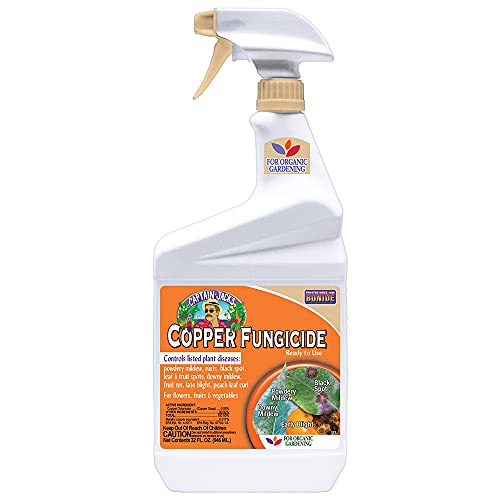
Control fungus and disease in your garden with Captain Jack’s ready-to-use Liquid Copper Fungicide!
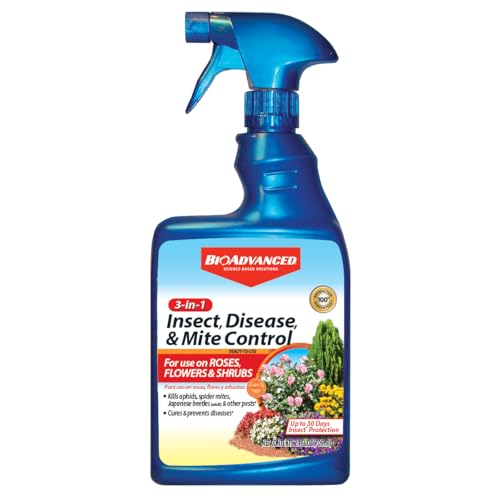
INSECT KILLER: Army worm killer. Also kills insects such as Aphids, Spider Mites, Japanese Beetles, Caterpillars, and other listed insects

TRIPLE PROTECTION FORMULA: 3-in-1 solution kills listed insects, controls listed diseases, and controls listed mites with one easy application
Plant Protection Strategies for North Carolina
In North Carolina, protecting banana trees from pests and environmental challenges is crucial for successful cultivation, especially in the Piedmont and Mountain regions. This section explores effective plant protection strategies tailored to the unique climate and conditions of these areas, ensuring healthy growth and fruitful yields for banana enthusiasts and farmers alike.
Implement these preventive measures to protect your plants:
Rotate crops to prevent soil-borne diseases.
Use organic pesticides as needed.
Maintain good air circulation around the plants.
Logistical Considerations for Banana Tree Cultivation
When cultivating banana trees in North Carolina’s Piedmont and mountain regions, several logistical factors come into play. Understanding the unique climate, soil conditions, and local regulations is essential for successful growth. This section delves into the practical aspects that aspiring banana growers must consider to ensure a thriving crop.
Understanding the logistics of growing banana trees can enhance your gardening experience. Here’s a quick overview.
| Aspect | Recommendation |
|---|---|
| Planting Time | Spring after frost |
| Watering Frequency | Weekly, deeper watering |
| Fertilizer Type | Balanced, slow-release |
| Harvest Time | 9-12 months after planting |
Year-Round Care for North Carolina Banana Trees
Caring for banana trees in North Carolina requires a tailored approach, especially in the Piedmont and Mountain regions. Understanding the unique climate and seasonal variations is essential for ensuring these tropical plants thrive throughout the year. This section delves into the specific care techniques needed to maintain healthy banana trees in these diverse landscapes.
Seasonal care is vital for maintaining healthy banana trees throughout the year.
Recommended Products

The Large plant cover is perfect for Plant size 55''-70"high and 84''-94" round, Heavy-weight FRCs (1.77oz./sq. yard): usually used to extend the growing season in spring and fall, allow 40%-60% light transmittance, and recommend 3°-8°F of freeze protection

THICKER MATERIAL: Our plant freeze protection cover is made of UV stabilized polypropylene. Upgraded thicker 0.9oz./sq.yard lightweight but durable. Soft plant covers are friendly and no harm to your plants. Breathable non-woven fabric allow light, air go through the frost cloths and reach the plants.

The small plant cover is perfect for Plant size 16''-23"high and 36''-46" round, Heavy-weight FRCs (1.77oz./sq. yard): usually used to extend the growing season in spring and fall, allow 40%-60% light transmittance, and recommend 3°-8°F of freeze protection
Cold Weather Protection for Banana Trees
Banana trees can thrive in North Carolina’s Piedmont and Mountain regions, but they require specific care to withstand colder temperatures. Understanding effective cold weather protection methods is essential for ensuring these tropical plants not only survive but flourish in less-than-ideal climates. This section explores practical strategies to safeguard banana trees during winter months.
In colder months, protect your trees by:
Mulching around the base to insulate roots.
Covering with frost cloth during extreme cold.
Piedmont and Mountain Banana Care
Caring for banana trees in North Carolina’s Piedmont and Mountain regions requires specific attention to local climate conditions and soil types. Understanding the unique challenges and opportunities in these areas can help ensure healthy growth and fruitful yields. This section will explore effective strategies for nurturing banana trees in these diverse landscapes.
In warmer months, focus on:
Regular watering to prevent drought stress.
Pruning dead leaves to encourage new growth.
Banana Tree Cultivation Tips for North Carolina
Banana trees can thrive in North Carolina’s diverse climates, particularly in the Piedmont and mountainous regions. Understanding the specific cultivation techniques suited to these areas is essential for successful growth. This section provides practical tips for nurturing banana trees, ensuring they flourish in both the unique soil and weather conditions of North Carolina.
Successful cultivation of banana trees in North Carolina’s Piedmont and Mountain regions requires careful selection of varieties and understanding of local conditions. Regular maintenance and attention to pests will yield fruitful results.
