

Have you ever thought about growing your own dragon fruit tree? This vibrant and exotic fruit not only adds a splash of color to your garden but also offers delicious, nutritious rewards. However, choosing the right spot for planting is crucial to ensure your plant thrives.
Key Takeaways
- Optimal Growing Conditions: Dragon fruit trees thrive in well-draining, sandy or loamy soil with a pH between 6 and 7, and prefer warm temperatures ranging from 65°F to 85°F (18°C to 29°C).
- Indoor Planting: When growing indoors, ensure the dragon fruit tree is placed near south-facing windows for maximum sunlight, in pots with good drainage, and monitor temperature carefully.
- Outdoor Planting: Choose an outdoor location that gets full sun for at least six hours daily and ensure proper drainage, avoiding frost-prone areas.
- Space and Layout: Maintain a planting density of 6 to 10 feet apart for optimal airflow and growth, considering vertical space utilization for smaller gardens.
- Companion Planting: Pair dragon fruit trees with companion plants like basil or marigolds to deter pests and promote healthy soil while avoiding heavy feeders.
- Maintenance Practices: Water deeply but infrequently and fertilize every four to six weeks with balanced fertilizer to ensure healthy growth and fruit production.
Optimal Growing Conditions
Creating the right environment ensures the healthy growth of your dragon fruit tree. Focus on soil and climate preferences for successful cultivation.
Recommended Products

Supports Flowering & Fruit Development – Helps promote strong blooms, improved fruit set, and steady fruit growth.

🍇 𝐏𝐑𝐄𝐌𝐈𝐔𝐌 𝐏𝐀𝐒𝐒𝐈𝐎𝐍 𝐅𝐑𝐔𝐈𝐓 𝐏𝐎𝐓𝐓𝐈𝐍𝐆 𝐌𝐈𝐗: Our Passion Fruit Potting Mix is expertly crafted to provide the perfect growing environment for vibrant and healthy passion fruit vines. This premium soil mix ensures your passion fruit plants receive the optimal nutrients, moisture, and aeration needed to thrive, making it ideal for both indoor plants and container gardening.

High Germination Rate: Premium native seeds with robust vitality ensure a germination rate exceeding 95% and 99% purity, far surpassing ordinary Dragon Fruit varieties
Soil Requirements
Dragon fruit trees thrive in well-draining soil. Opt for sandy or loamy soil with a pH level between 6 and 7. Add organic matter like compost to improve fertility and drainage. Avoid heavy clay soils, as they retain too much moisture, risking root rot. An example of good soil preparation includes mixing equal parts of sand, compost, and garden soil.
Climate Preferences
Dragon fruit trees prefer warm, tropical climates. They flourish in temperatures between 65°F and 85°F (18°C to 29°C). Protect the plants from frost; they won’t survive freezing temperatures. In ideal conditions, the trees receive full sun for at least six hours daily, promoting healthy growth and fruiting. If you’re in a cooler region, consider planting them in pots, allowing for relocation to warmer spots.
Best Locations for Planting
Selecting the right location for your dragon fruit tree is crucial for its growth and fruit production. Whether you opt for indoor or outdoor planting, consider the following aspects.
Recommended Products
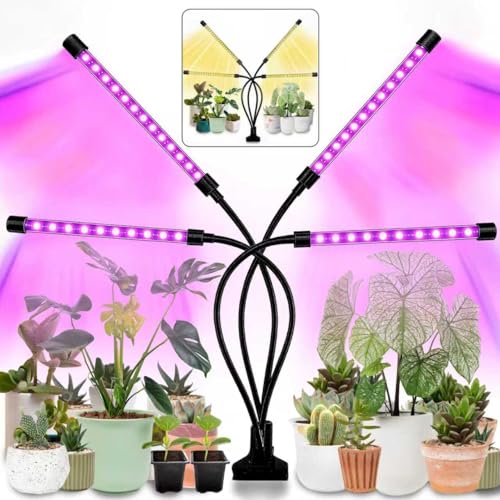
🌻Efficient LED Combination: This LED lamp has grow lights made up of 80 efficient growing LEDs ( 32 red lights, 12 blue lights,20 yellow lights and 16 white lights). It meets the conditions of plant growth without sunlight. 1--Full Spectrum(380nm-800nm): Suitable for all plants to root and sprout. 2--Red(660nm)+BLUE(460nm) Spectrum: for blooming and fruits. 3--Red+Blue+Full Spectrum: A mix of Red+Blue+Warm White is best to fuel the growth of your plants.
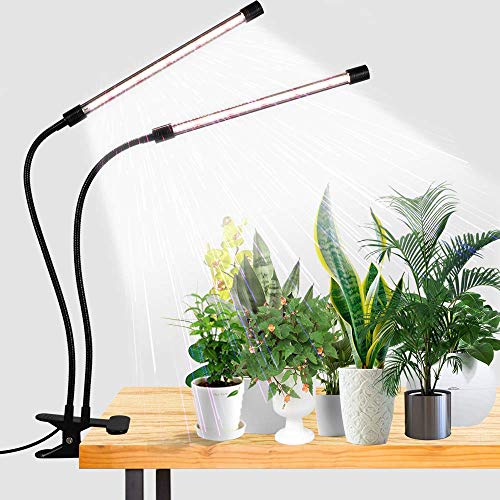
6000K White Light - equipped with 10 Red + 74 White LEDs, this growing Lamp is similar to the full-spectrum sunlight at noon,that is professionally designed for indoor garden plants.Moreover, its color rendering index is as high as 95, the light is soft and flicker-free, which is very suitable for reading lamp
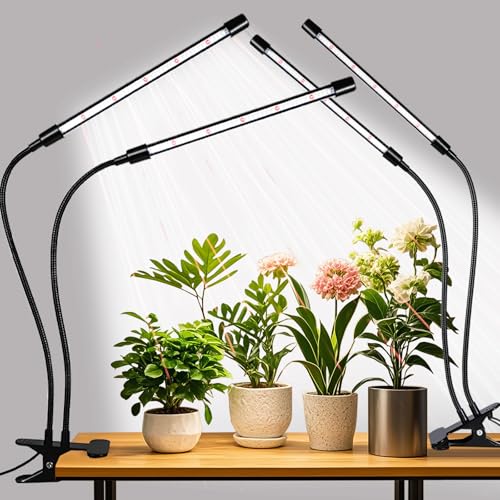
【Upgraded Full Spectrum】Eqqiuped with 5 Red+37 Sunlight White LEDs in each bar, which is similar to the sunlight at noon to meet the needs of various plant growth processes. 6000K LED grow light with high efficiency and high PPFD, providing flicker-free and soft light.
Indoor Planting Options
When planting indoors, choose a location that receives ample sunlight. South-facing windows provide the best light exposure, allowing your plant to thrive. Ensure that your dragon fruit tree is in a pot with good drainage holes to prevent waterlogging. A potting mix that drains well, such as a combination of sand and soil, enhances growth. Regularly monitor temperature; ideally, keep it within the 65°F to 85°F range. If temperatures drop, consider using a grow light to supplement sunlight during shorter days.
Outdoor Planting Strategies
For outdoor planting, pick a spot that enjoys full sun for at least six hours daily. Areas with protection from extreme winds will benefit your plant. If planting in the ground, create mounds to improve drainage since dragon fruit trees prefer slightly elevated soil. Ensure the soil’s pH is between 6 and 7 by conducting a simple soil test. To keep your dragon fruit tree healthy, avoid planting it in areas prone to frost or where water can accumulate. In warmer climates, plant the tree at least 10 feet away from tall structures or other trees, ensuring adequate airflow and sunlight.
Space and Layout Considerations
Selecting the right space for your dragon fruit tree significantly impacts its growth. You want to ensure ample room for the plant to thrive and proper conditions for air circulation and light exposure.
Recommended Products

【Durable Metal Construction】This dragon fruit plant rack is made of high-quality metal, sturdy and durable. This dragon fruit trellis has excellent weather resistance, providing strong support for the healthy growth of your climbing plants both indoors and outdoors.
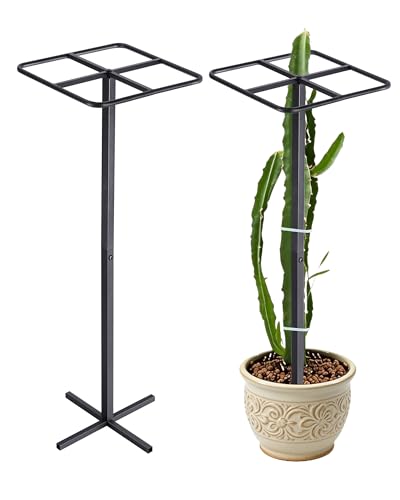
Square Top Design Unlike round trellis tops that let vines tangle together, our 4-section square top gives you four separate areas to train and separate your plants. This design improves air circulation and sunlight exposure while making pruning and harvesting easier.

Durable And Long-lasting : Our ultra thick dragon fruit rack is designed specifically for climbing plants such as dragon fruit. This dragon fruit trellis is forged from high-quality metal materials and has excellent durability. In order to increase its stability, it has been bolded overall to ensure reliable support under various indoor and outdoor conditions.
Planting Density
Aim for a planting density of 6 to 10 feet apart between each dragon fruit tree. This distance allows sufficient airflow, reducing the risk of disease and promoting healthy growth. If you plan to plant multiple trees, consider creating rows with equal spacing to give each plant room to grow both vertically and horizontally. The vertical growth habit of dragon fruit enables effective use of space, making it ideal for smaller gardens or restricted areas.
Companion Planting Tips
Pairing your dragon fruit tree with compatible plants can enhance its growth and yield. Opt for companion plants like basil, marigolds, or radishes. These plants naturally deter pests and promote healthy soil. For example, marigolds repel nematodes, which can harm the dragon fruit roots. Additionally, avoid planting in close proximity to heavy feeders like corn or tomatoes, as they compete for nutrients. Instead, place your dragon fruit tree alongside plants that require similar sunlight and watering needs, ensuring a harmonious growing environment.
Maintenance Tips for Dragon Fruit Trees
Proper maintenance ensures your dragon fruit tree thrives and produces fruit. Focus on watering and fertilization to promote healthy growth.
Watering Practices
Water dragon fruit trees deeply but infrequently. Allow the top inch of soil to dry before watering again, preventing over-saturation. During hot seasons, check moisture levels weekly. In cooler months, cut back on watering to every two to three weeks. Ensure drainage holes in pots to prevent root rot. If planting outdoors, create a drip irrigation system to maintain consistent moisture without flooding the roots.
Fertilization Guidelines
Fertilize dragon fruit trees every four to six weeks during the growing season. Use a balanced fertilizer with equal parts nitrogen, phosphorus, and potassium, such as a 10-10-10 or 14-14-14 blend. Mix 1-2 tablespoons of fertilizer into the soil around the base of the tree. During flowering, switch to a fertilizer high in phosphorus to encourage fruit development. Apply organic compost or well-rotted manure once a year to improve soil fertility.
Conclusion
Planting your dragon fruit tree in the right spot can make all the difference in its growth and fruit production. By considering factors like soil type light exposure and temperature you’ll set your plant up for success. Whether you choose to grow it indoors or outdoors remember to keep an eye on drainage and spacing to ensure good airflow.
With a little care and attention your dragon fruit tree can thrive and reward you with its stunning blooms and delicious fruit. So go ahead and find that perfect place to plant your dragon fruit tree and enjoy the journey of nurturing this unique plant. Happy gardening!
Frequently Asked Questions
What are the benefits of growing dragon fruit trees?
Growing dragon fruit trees offers vibrant appearance and nutritious fruit. They are easy to cultivate and can thrive in various conditions. Plus, their unique look makes them an attractive addition to any garden.
What is the best soil type for dragon fruit trees?
Dragon fruit trees prefer well-draining sandy or loamy soil with a pH level between 6 and 7. Adding organic matter enhances soil fertility and drainage, making it ideal for healthy growth.
What climate do dragon fruit trees thrive in?
Dragon fruit trees thrive in warm, tropical climates with temperatures between 65°F and 85°F (18°C to 29°C). They need protection from frost to ensure successful growth and fruiting.
How should I plant dragon fruit trees?
Choose a location with full sun exposure for at least six hours daily. Plant trees 6 to 10 feet apart to allow for airflow and prevent disease while ensuring they have proper drainage.
Can I grow dragon fruit indoors?
Yes, you can grow dragon fruit indoors. Place the tree near a south-facing window and use well-draining pots. Monitor temperature and consider using grow lights if natural light is insufficient.
What plants should I use for companion planting with dragon fruit?
Basil, marigolds, and radishes are great companions for dragon fruit. They can enhance growth and deter pests. Avoid planting near heavy feeders like corn or tomatoes to minimize nutrient competition.
How often should I water my dragon fruit tree?
Water your dragon fruit tree deeply but infrequently, allowing the top inch of soil to dry out before watering again. Adjust frequency based on seasonal conditions to avoid overwatering.
What type of fertilizer should I use for dragon fruit trees?
Use a balanced fertilizer every four to six weeks during the growing season. Switch to a phosphorus-rich fertilizer during flowering to support fruit development, and apply organic compost annually to boost soil fertility.
