

Ever wondered how often your fruit trees will bear fruit? If you’re dreaming of a bountiful harvest but feel lost in the details, you’re not alone. Many gardeners share the same curiosity, eager to know when they can expect to enjoy fresh, homegrown fruits.
Key Takeaways
- Fruit Tree Fruiting Cycles: Understand the difference between annual fruiting (trees that produce every year) and biennial fruiting (trees that alternate heavy and light harvests).
- Key Influencing Factors: Tree species, age, environmental conditions, pruning, and pest management significantly affect how often fruit trees can bear fruit.
- Common Fruit Trees: Apple and citrus trees typically produce annually, while peach trees may exhibit a biennial pattern, producing heavy crops one year and lighter the next.
- Environmental Influences: Proper climate, sunlight, soil quality, and adequate rainfall are crucial for maximizing fruit production in your orchard.
- Maintenance Practices: Regular pruning and effective pest and disease management are vital for enhancing fruit tree productivity and ensuring healthy fruit-bearing.
- Soil Nutrition: Ensuring nutrient-rich soil with the correct pH can significantly improve the health of fruit trees and their yield.
Understanding Fruit Tree Cycles
Fruit trees offer varying cycles of productivity. Understanding these cycles helps you maximize your harvest.
Annual vs. Biennial Fruiting
Annual fruiting refers to trees that produce fruit every year. Many apple varieties, such as Gala and Fuji, typically yield fruit annually. Biennial fruiting describes trees that alternate between heavy and light harvests. For example, some peach trees might produce a bountiful crop one year, then very little afterward. Knowing which type your tree falls under helps you plan accordingly.
Factors Influencing Fruiting Frequency
Multiple factors affect how often fruit trees bear fruit. Consider these key influences:
- Tree Species: Different species have unique cycles. Citrus trees usually produce fruit annually, while some nut trees might take longer.
- Age of the Tree: Young trees may take several years to start producing. Most fruit trees begin yielding fruit between three to five years old.
- Environmental Conditions: Climate, soil quality, and water availability significantly impact fruiting. Optimal conditions lead to healthier trees and better yields.
- Pruning: Proper pruning encourages fruitful growth. Regular maintenance can lead to increased fruiting in the following seasons.
- Pests and Diseases: Infestations or health issues can hinder fruit production. Monitoring and addressing threats promptly keeps trees productive.
By considering these factors, you create an environment conducive to fruitful harvests.
Common Fruit Trees and Their Fruiting Patterns
Understanding the fruiting patterns of various fruit trees helps you maximize your harvest. Here’s a detailed look at some common fruit trees and how often they typically bear fruit.
Recommended Products

CLEAN CUTS FOR LIVE GROWTH: Bypass blade design is ideal for pruning delicate flower stems and green growth, helping reduce crushing and plant damage while cutting stems and small branches up to 5/8” in diameter
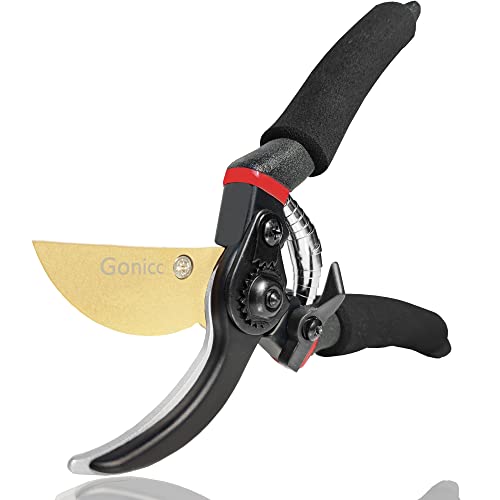
Drop-forged construction delivers exceptional durability and sturdiness for long-term heavy garden use.

IDEAL BRANCH TRIMMER: 28" Steel blade garden bypass lopper that glides through up to 1.5" thick branches for easy cuts; Works well for trimming tree branches to maintain your yard and garden, and to encourage overall plant health and appearance
Apple Trees
Apple trees commonly produce fruit every year, especially when properly cared for. Many apple varieties, like Fuji or Gala, yield abundant fruit annually. Mature apple trees usually start bearing fruit within 3 to 5 years after planting. To promote regular fruiting, ensure adequate sunlight, proper watering, and effective pruning. Consider thinning blossoms in spring to enhance fruit size and quality.
Peach Trees
Peach trees typically show a biennial fruiting pattern. This means they might produce a heavy crop one year followed by a lighter crop the next year. Generally, you can expect your peach trees to start yielding fruit within 3 to 4 years of planting. Factors such as tree variety, climate, and care influence their productivity. Thinning fruits and ensuring optimal growing conditions can help balance the harvest.
Citrus Trees
Citrus trees often produce fruit annually. Orange, lemon, and lime trees can bear fruit all year round, with peak harvests usually occurring in late winter to spring. Citrus trees generally need 3 to 5 years to begin producing fruit. Regular watering, adequate sunlight, and protection from pests lead to healthy trees that produce fruit consistently. Keep an eye out for signs of stress, as environmental factors can impact fruiting.
Environmental Factors Affecting Fruiting
Environmental factors play a crucial role in determining how often fruit trees produce fruit. Understanding these elements helps you cultivate a thriving orchard.
Recommended Products

Quick, at home results for Soil pH, Nitrogen, Phosphorous and Potash Innovative and inexpensive soil test kit features an easy-to-use capsule system and patented color comparators

KNOW BEFORE YOU GROW | Grow the healthiest, sustainable lawn and garden with the most accurate and easy to use professional soil test kit on the market

Kindly NOTE: This soil tester can not be applied to test pH value of any other liquid. If the soil is too dry the indicator will not move, and water it before testing.
Climate and Weather Conditions
Climate significantly influences fruit production. Fruit trees thrive in specific temperature ranges and weather patterns.
- Temperature Extremes: Most fruit trees prefer moderate temperatures. Frost damage can harm blossoms, leading to reduced yields. For example, apple trees may suffer if late spring frosts occur when they’re in bloom.
- Rainfall Patterns: Adequate rainfall supports fruit development, but too much rain can lead to root rot or fungal diseases. Ensure your trees receive 1 to 2 inches of water weekly during growing seasons.
- Sunlight Exposure: Full sun enhances fruit production. Most fruit trees require at least 6 to 8 hours of direct sunlight daily. Position your trees in sunny areas to optimize their growth.
Soil Quality and Nutrition
Soil quality and nutrition are vital for robust fruiting. Nutrient-rich soil promotes healthy trees that yield abundant crops.
- Soil Type: Well-drained, loamy soil works best for fruit trees. Sandy soils drain quickly, while clay soils can retain excess moisture. Both can negatively impact fruit production.
- Nutrient Levels: Regularly test your soil for nutrients like nitrogen, phosphorus, and potassium. Fertilize accordingly to correct deficiencies. Organic fertilizers, like compost or aged manure, provide essential nutrients while improving soil structure.
- pH Levels: Fruit trees thrive in slightly acidic to neutral soil (pH 6.0-7.0). Adjusting soil pH can enhance nutrient absorption. Use lime to raise pH or sulfur to lower it.
By addressing climate conditions and soil quality, you can create an environment that encourages consistent fruit production across your trees.
Maintenance Practices to Improve Fruiting
Maintaining fruit trees requires attention to detail. Implementing specific practices enhances your tree’s productivity and fruit quality.
Pruning Techniques
Pruning shapes trees and encourages healthy growth. Start by removing dead or diseased branches to improve airflow. Focus on thinning out crowded areas to allow sunlight to penetrate. Prune during the dormant season for most species, typically late winter or early spring. For peach trees, prune earlier in the spring before bud swell. Aim for a clean cut at a slight angle to prevent water accumulation.
Secure pruning tools and disinfect them regularly to stop the spread of diseases. Cut branches that are crossing or rubbing against each other to prevent injury. As you prune, keep an eye on the shape of the tree, aiming for an open center. This allows light to reach all parts, encouraging better fruiting.
Pest and Disease Management
Managing pests and diseases is critical for fruitful trees. Start with regular inspections of your trees to catch any problems early. Look for signs of pests, such as holes in leaves or sticky residue on branches. Common pests include aphids and spider mites. Introduce beneficial insects like ladybugs to control these pests naturally.
Use organic insecticides when necessary, following the manufacturer’s instructions for application. Rotate crops and avoid planting the same tree types in the same area each year to disrupt pest cycles.
Fungal diseases can be a threat, especially in humid environments. Apply fungicides as a preventive measure if you’ve had issues in the past. Ensure good drainage around your trees to avoid waterlogged soil and reduce the risk of root rot.
By implementing these maintenance practices, you create conditions that enhance your fruit trees’ ability to bear fruit consistently.
Conclusion
Understanding how often your fruit trees bear fruit can really enhance your gardening experience. By knowing the differences between annual and biennial fruiting patterns you can set realistic expectations for your harvests.
Remember to pay attention to the environmental factors and maintenance practices that influence fruit production. With the right care and conditions you can enjoy a fruitful garden year after year. So get out there nurture your trees and look forward to those delicious homegrown fruits!
Frequently Asked Questions
When do fruit trees start bearing fruit?
Fruit trees typically begin producing fruit within 3 to 5 years after planting, depending on the species. For example, apple and citrus trees usually start bearing fruit within this timeframe, while peach trees may take a bit longer. Proper care and ideal conditions can significantly enhance fruiting speed and yield.
What is the difference between annual and biennial fruiting?
Annual fruiting means that the tree produces fruit every year, like most apple varieties. Biennial fruiting, on the other hand, involves trees that alternate years of heavy and light harvests, such as some peach trees. Understanding this distinction helps manage expectations for fruit production.
How can I improve the fruiting frequency of my trees?
To improve fruiting frequency, ensure your trees are well-maintained through proper pruning, pest control, and adequate sunlight. Additionally, provide enough water and nutrients, with well-drained, loamy soil that has a slightly acidic to neutral pH. Regular care can enhance yield consistency.
What factors influence how often fruit trees produce?
Several factors influence fruit production frequency: tree species, age, environmental conditions (like climate and weather), soil quality, nutrition, pruning practices, and the presence of pests and diseases. Addressing these aspects can create an environment conducive to fruitful harvests.
How does climate affect fruit tree production?
Climate significantly impacts fruit tree production. Moderate temperatures are ideal, as frost can damage blossoms and reduce yields. Proper rainfall (1 to 2 inches a week) is crucial, while too much rain can cause root rot. Sunlight is also important, with most trees needing 6 to 8 hours of direct sunlight daily.
