

Ever bitten into a piece of fruit only to find it lacking that sweet burst of flavor you were hoping for? You’re not alone. Many gardeners face the challenge of growing fruit trees that just don’t deliver the sweetness they crave.
Key Takeaways
- Sunlight and Location Matter: Ensure fruit trees receive at least six hours of sunlight daily for optimal sugar production.
- Consistent Watering is Crucial: Maintain regular watering routines and avoid overwatering to promote sweeter fruit development.
- Soil Quality Enhances Flavor: Use well-draining, nutrient-rich soil and organic matter to support healthy fruit growth.
- Pick at Peak Ripeness: Harvest fruit when fully ripe to maximize natural sugar content and flavor.
- Genetics Influence Sweetness: Select high-sweetness varieties and consider hybridization to improve flavor outcomes.
- Avoid Common Mistakes: Prevent over-fertilization and improper watering to maintain tree health and produce sweeter fruits.
Understanding Fruit Tree Sweetness
Fruit sweetness depends on several factors, including environmental conditions and the variety of the tree. Understanding these components helps you grow sweeter fruit.
Key Factors Influencing Sweetness
- Sunlight Exposure: Ensure your fruit trees receive full sun for at least six hours daily. Sunlight drives photosynthesis, which boosts sugar production in fruits.
- Watering Practices: Water consistently but avoid overwatering. A lack of water can stress trees, inhibiting sweetness. Use mulch to maintain moisture levels around the root zone.
- Soil Quality: Use well-draining soil rich in organic matter. Nutrient-dense soil supports healthy growth and enhances fruit flavor.
- Ripeness at Harvest: Harvest fruit at peak ripeness. Fruits allowed to ripen fully on the tree develop more sugars. Monitor changes in color, firmness, and aroma.
- Temperature Variations: Seek varieties suited to your climate. Warm days and cool nights help enhance sugar accumulation.
The Role of Genetics
Genetics play a crucial role in fruit sweetness. Different fruit varieties hold varying sweetness potentials based on their genetic makeup.
- Choosing Varieties: Opt for types known for high sweetness, like Honeycrisp apples or Bing cherries.
- Hybridization: Explore hybrid varieties that offer favorable traits, including improved taste and sweetness.
- Grafting Techniques: Consider grafting to combine the desirable sweetness traits of one variety with the hardiness of another.
Understanding these aspects enhances your ability to cultivate sweeter fruit trees. Implement these strategies for a bountiful harvest of delicious, sweet fruits.
Techniques To Enhance Sweetness
Enhancing sweetness in fruit trees involves a series of practical techniques. These strategies focus on key factors such as soil health, watering practices, and pruning techniques.
Recommended Products

Comprehensive Soil Analysis: Liquid soil test kits offer a comprehensive analysis of essential soil parameters, including pH, ammonia, nitrogen, phosphorus, and potassium. Having all these measurements in one kit provides a holistic understanding of the soil's fertility and health.

Quick, at home results for Soil pH, Nitrogen, Phosphorous and Potash Innovative and inexpensive soil test kit features an easy-to-use capsule system and patented color comparators

KNOW BEFORE YOU GROW | Grow the healthiest, sustainable lawn and garden with the most accurate and easy to use professional soil test kit on the market
Soil Health and Nutrition
Healthy soil supports sweeter fruit. To improve soil health, consider these steps:
- Test Soil: Test your soil for pH and nutrient levels. Ideal pH for most fruit trees ranges from 6.0 to 6.8.
- Add Organic Matter: Incorporate compost or well-rotted manure. This enriches soil, improving its structure and nutrient content.
- Balance Nutrients: Ensure adequate levels of potassium and phosphorus. These nutrients play vital roles in enhancing fruit sweetness.
- Mulch Regularly: Apply organic mulch around the base of the tree. Mulch aids in moisture retention and temperature regulation, promoting healthy root development.
Watering Practices
Proper watering greatly influences fruit sweetness. Follow these practices to optimize tree hydration:
- Maintain Consistency: Water trees deeply and consistently, especially during dry spells. Inconsistent moisture can lead to stress, affecting sweetness.
- Use Drip Irrigation: Consider drip irrigation for efficient water delivery. This method minimizes evaporation, ensuring water reaches roots directly.
- Monitor Soil Moisture: Check soil moisture regularly. Water your trees when the top inch of soil feels dry to the touch.
- Avoid Over-Watering: Ensure good drainage to prevent root rot. Over-watering can dilute the natural sugars in the fruit.
Pruning Techniques
Effective pruning not only shapes the tree but also enhances fruit flavor. Employ these pruning strategies:
- Thin Out Crowded Branches: Remove excess branches to improve sunlight penetration. Better light exposure leads to sweeter fruit.
- Cut Back on New Growth: In early spring, prune excess new growth. This directs energy towards fruit production rather than foliage.
- Focus on Structure: Establish a strong central leader for the tree. A well-structured tree can support larger, healthier fruit.
- Timing Matters: Prune during the dormant season for best results. This timing helps prevent unnecessary stress to the tree.
Implementing these techniques can significantly increase the sweetness of the fruit your trees produce, resulting in a flavorful and rewarding harvest.
The Importance of Timing
Timing plays a crucial role in enhancing the sweetness of fruit trees. Certain periods in the growth cycle can significantly impact the level of sweetness in the fruit. By understanding and acting on timing, you can improve your harvest quality.
Recommended Products

PROFESSIONAL GARDENING GRAFTING TOOLS: Including 2 in 1 grafting pruning tools, 3 replaceable blades, a grafting knife, a screwdriver, a wrench, 2 grafting films, 160 rubber bands, 40 wide rubber bands, and 50 colorful tag cards
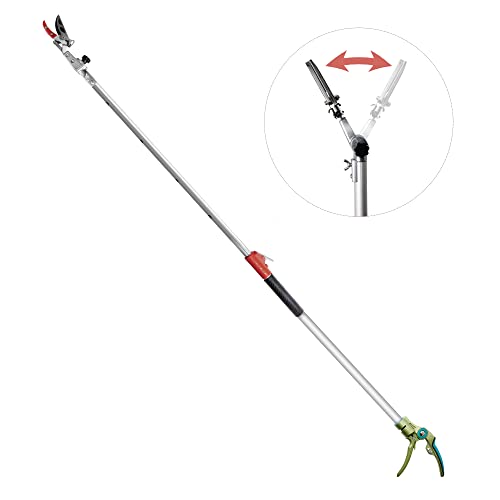
[Helpful Garden Tool] GARTOL brings to you a lightweight and extendable pruning tool to reach out to the least approachable arenas of your garden. You can conveniently get across other plants to remove the fastgrowing brambles and sting nettles without getting scratched or hurt. For gardening lovers, the telescopic pruner cutter head can can be rotated which resolves mobility issues and gives you the pleasure of trimming your garden without bending down or using a ladder to climb and cut them.

1:EXTENDABLE REACH FOR LADDER-FREE SAFETY – Acting as both a reliable tree pruner and a fruit picker pole, this tool effortlessly extends from 3.28 to 5.25 FT to reach high branches up to 10 FT from the ground. The innovative rotating and locking head allows for precise angles without unstable ladders or risky stretching, ensuring maximum safety.
Choosing the Right Climate
Choosing the right climate is essential for producing sweeter fruit. Each fruit tree variety thrives in specific climatic conditions. For instance, citrus trees flourish in warm, sunny areas and produce sweeter fruit when exposed to consistent sunlight. Similarly, apples develop optimal sweetness in regions with cool nights and warm days during the growing season. Research local climate characteristics and select varieties that naturally excel in your environment.
Harvesting at Peak Ripeness
Harvesting at peak ripeness enhances the sweetness of fruit. When fruit is picked too early, it lacks natural sugars. For example, peaches should exhibit a slight give when gently pressed, indicating optimal ripeness. Use the color and aroma of the fruit as indicators. Strawberries should be fully red and fragrant, signaling their best flavor. Familiarize yourself with the specific harvesting time for your fruit varieties, monitor their growth closely, and don’t hesitate to taste-test to determine the perfect moment to harvest.
Common Mistakes To Avoid
Gardening can be tricky, especially when trying to grow sweeter fruit. Avoiding common mistakes ensures that your fruit trees thrive and produce delicious fruit.
Recommended Products

Accurate Soil Moisture Detection: The XLUX Soil Moisture Meter can tell you if the soil deep inside your pot or garden is dry, moist or wet; whereas your eyes and fingers can only determine the moisture level of the soil surface. The probe is 5.5 inches (14 cm) longer than regular styles, allowing it to measure the soil moisture at the bottom of larger and deeper flower pots.

Trusted Since 2015: Become one of the many plant lovers who rely on the proven accuracy of XLUX. Established in 2015, our soil moisture meter has earned over 60,000+ verified ratings for its consistent performance. While many many newer brands come and go, we provide the long-term reliability and quality that American households have trusted for over a decade.

Kindly NOTE: This soil tester can not be applied to test pH value of any other liquid. If the soil is too dry the indicator will not move, and water it before testing.
Over-Fertilization
Over-fertilization leads to excessive nitrogen in the soil. This causes trees to focus on leaf growth instead of fruit development. To prevent this, test soil before adding any fertilizers. Apply only what’s needed based on test results. Use balanced fertilizers that provide equal parts of nitrogen, phosphorus, and potassium. Stick to recommending application rates on labels, aiming for no more than two applications per season.
Improper Watering
Improper watering practices harm fruit trees. Both over-watering and under-watering stunt growth and sweetness. To avoid this, water deeply and consistently, allowing the top few inches of soil to dry out between waterings. Use mulch to retain moisture and regulate temperature. Monitor soil moisture with a soil moisture meter to stay on track. Adjust your watering schedule based on rainfall and tree size; larger trees generally need more water.
Conclusion
Growing sweeter fruit trees is all about balance and care. By focusing on soil health proper watering and selecting the right varieties you can enhance the sweetness of your fruits significantly. Remember to keep an eye on the growth cycle and harvest at just the right time for the best flavor.
Avoid common mistakes like over-fertilizing and inconsistent watering to ensure your trees thrive. With a little patience and attention you’ll be rewarded with a delicious harvest that makes all your efforts worthwhile. Enjoy the journey of nurturing your fruit trees and savor the sweetness they bring to your table.
Frequently Asked Questions
What factors influence the sweetness of fruit from trees?
The sweetness of fruit is influenced by several factors, including the variety of the tree, environmental conditions, and cultivation practices. Key aspects include sunlight exposure, consistent watering, soil quality, and harvesting at peak ripeness.
How can I improve soil health for sweeter fruit?
To enhance soil health, test the soil for pH and nutrient levels, add organic matter, balance nutrients, and apply mulch. These practices help create an optimal environment for fruit trees, promoting sweeter fruit production.
What watering practices should I follow for fruit trees?
Use consistent deep watering techniques. Employ drip irrigation and monitor soil moisture to prevent both over-watering and under-watering, which can affect growth and sweetness.
When is the best time to harvest fruit?
The best time to harvest fruit is when it’s at peak ripeness. Indicators to look for include color, aroma, and texture. Picking fruit too early can result in lower sweetness.
How does pruning affect fruit sweetness?
Pruning can enhance fruit sweetness by improving sunlight exposure and air circulation to the remaining branches. Thinning crowded branches and focusing on tree structure during the dormant season can lead to healthier fruit production.
What common mistakes should I avoid in fruit tree cultivation?
Avoid over-fertilization, which can prioritize leaf growth over fruit. Also, ensure proper watering practices to prevent stunted growth. Monitor conditions closely for optimal fruit tree development and sweetness.
How does climate affect fruit tree sweetness?
Different fruit tree varieties thrive in specific climates that enhance sweetness. For instance, citrus trees prefer warm, sunny conditions, while apples tend to develop better sweetness in cooler regions with warm days and cool nights.
Can I choose fruit trees for higher sweetness?
Yes, selecting high-sweetness fruit varieties, exploring hybrid options, and considering grafting techniques can enhance flavor. Research local options suited to your climate for the best results.
