

Wondering when to prune your fruit trees in Oregon? You’re not alone. Many gardeners face the challenge of timing their pruning just right to ensure healthy growth and a bountiful harvest. Pruning at the wrong time can lead to poor fruit production and even damage your trees.
In this article, you’ll discover the best times to prune different types of fruit trees based on Oregon’s unique climate. You’ll learn how proper pruning can enhance your trees’ health and productivity. With the right tips, you’ll be ready to give your fruit trees the care they need to thrive.
Key Takeaways
- Timing is Crucial: Prune most fruit trees in Oregon during late winter or early spring to minimize stress and promote healthy growth.
- Understand Tree Species: Different species have specific pruning needs; for instance, apple and pear trees benefit from winter pruning, while cherry trees are best pruned in late summer.
- Utilize Correct Techniques: Apply thinning and heading cuts strategically to enhance tree shape, airflow, and light penetration, leading to better fruit production.
- Be Mindful of Tree Age: Tailor your pruning approach according to the tree’s maturity, focusing on shaping young trees and maintaining healthy growth in mature trees.
- Use Appropriate Tools: Equip yourself with sharp bypass pruners, loppers, and a pruning saw to ensure clean cuts and reduce the risk of disease transmission.
- Avoid Common Mistakes: Steer clear of overpruning and improper cuts; monitor trees regularly for health issues to promote vibrant growth and fruitful harvests.
Importance Of Pruning Fruit Trees
Pruning fruit trees boosts their health and productivity. This cultivation practice enhances air circulation, allowing trees to breathe and reducing disease risk. It also helps in controlling pests by removing infested branches.
Pruning shapes trees for optimal sunlight exposure. Proper light distribution encourages fruit production. You can achieve a more manageable size for easier maintenance, making harvesting simpler.
Different types of pruning achieve specific goals. Thinning cuts remove excess branches, creating space for healthy growth. Heading cuts shorten branches, encouraging bushier, dense foliage. Each cut type impacts growth patterns and fruiting potential.
Timing matters, especially in Oregon’s diverse climate. Late winter or early spring is the prime time for most fruit trees. This period minimizes tree stress and promotes new growth when the weather warms.
Regular pruning can prevent overcrowding, which leads to weaker trees. Without attention, branches can compete for resources. Well-pruned trees thrive, yielding larger and healthier fruits.
Monitor your trees in the growing season. Notice the leaves and overall health. If branches look overcrowded or sick, it’s time to act. Your attention can ensure a bountiful harvest and a flourishing landscape.
Best Times To Prune Fruit Trees In Oregon
Timing matters for pruning fruit trees in Oregon. Proper pruning enhances health and boosts productivity. Here are the best times to prune.
Recommended Products

Durable & Long-Lasting: Crafted from high-quality materials, these fruit tree branch pullers to withstand the rigors of outdoor use season after season. Resistant to rust, weathering, and wear, they provide consistent performance, becoming your go-to tools for maintaining your orchard year after year.
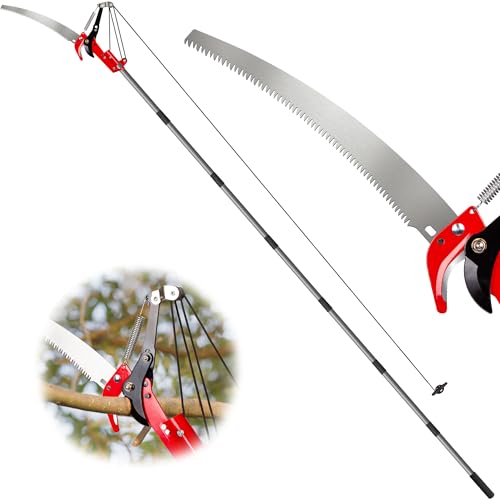
14FT POLE TREE PRUNER WITH SAW FUNCTION: Designed primarily for high branch trimming with pull-rope pruning shears, while the integrated saw provides an additional cutting option when needed. This manual tree pruner combines pruning and sawing functions in one long-reach tool for routine tree care in yards, gardens, and orchards.

Multipurpose Bark Removal: This tree bark removal tool is built for bark cutting, fruit tree girdling, branch trimming, and grafting tasks, giving gardeners one ring stripping knife for several routine orchard jobs while helping keep work organized and efficient
Winter Pruning
Winter pruning occurs during late dormant stages, typically from December to February. This timing allows for clear visibility of the tree’s structure without leaves.
- Deciduous Trees: Prune deciduous trees like apple and pear during this period. Removing dead or crowded branches promotes better air circulation and light penetration.
- Promoting Growth: Use thinning cuts to support upward growth and maximize fruiting potential. Aim for a balanced shape that allows sunlight to reach all branches.
- Tools Needed: Utilize sharp, clean pruners to avoid damaging trees. Consider loppers for thicker branches and have a pruning saw on hand for larger cuts.
Summer Pruning
Summer pruning, typically from June to August, is beneficial for certain management practices. This method can control growth and improve fruit quality.
- Light Pruning: Focus on light pruning during the growing season. Remove water sprouts and suckers to channel energy into fruit production.
- Monitoring Health: Assess trees for overcrowding or disease signs while pruning. Early detection of issues can prevent bigger problems later.
- Timing: Aim for pruning during cooler parts of the day to minimize stress on trees. Late afternoon or early morning works best.
By following these guidelines, you can ensure your fruit trees thrive in Oregon’s unique climate.
Factors To Consider For Pruning
When pruning fruit trees, several key factors influence timing and technique. Understanding these elements leads to healthier trees and a more fruitful harvest.
Recommended Products
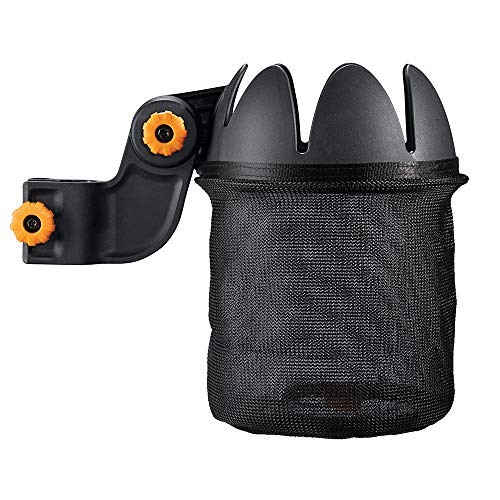
Fiskars Fruit Picker Basket harvests fruit from tall trees without bruising or scratching


【Surgical-Precision Grafting Tools】 Crafted with Japanese SK5 High-Carbon Steel blades (HRC 58-60 hardness) and ergonomic ABS handles, our 2-in-1 pruner delivers clean cuts up to 1/2" diameter branches. Dual-edge Ω/U/V blades prevent stem crushing, boosting grafting success rates by 40%* (*lab test data).
Tree Species
Different tree species have unique pruning needs. Familiarize yourself with your tree varieties to apply the correct pruning methods.
- Apple Trees: Prefer winter pruning from December to February to encourage strong growth.
- Pear Trees: Benefit from similar winter practices, focusing on removing crowded branches.
- Cherry Trees: Often pruned in late summer to minimize bacterial infections.
- Plum Trees: Prune in late winter, but avoid heavy cuts to reduce disease risk.
Research specific species to use the most effective techniques.
Age Of The Tree
The age of your fruit tree significantly impacts your pruning strategy. Tailor your approach based on the tree’s maturity.
- Young Trees (1-3 Years): Focus on shaping and establishing a strong structure. Remove weak limbs and promote outward growth for better sunlight exposure.
- Mature Trees (4-10 Years): Prioritize removing dead or damaged branches. Maintain airflow and light penetration for optimal fruit development.
- Old Trees (Over 10 Years): Utilize cautious thinning to revitalize growth without stressing the tree. Remove any dead wood to boost health.
Monitor your tree’s age and adjust your pruning practices accordingly for continued growth and productivity.
Pruning Techniques And Tips
Effective pruning combines the right techniques with proper timing to ensure fruit trees thrive. Familiarizing yourself with essential tips and tools enhances your pruning efforts for healthy and productive trees.
Recommended Products

★ 1. What you get: Professional convenient grafting tool set including a dual-use grafting pruner tool contain 2 extra replaceable blades, a wrench and a screwdriver, along with 36pcs wide rubber bands, 150 thick rubber bands and 1 grafting tape, packed in a black wallet to meet all your needs
![[6 Blades Enhanced] NAYE 2 in 1 Garden Grafting Tool Kit for Fruit Trees with Grafting Knife Grafting Tapes,Extra Replacement Blades Included,Professional Grafting Scissor Shear](https://m.media-amazon.com/images/I/51YugXFPuPS._SL500_.jpg)
Made from #65 stainless steel shear blades,high-strength ABS plastic,Japan SK5 double-edged cutting blades

✂Multifunctional -2 in 1 Garden Grafting Tools-Professional grafting set allows you to pruning and grafting at the same time, saving more time and effort than traditional grafting methods, easy to use and more efficient. It allows you to trim away excess leaves and twigs and prepare the plants to be grafted. At the same time, you can make a precise cut into the grafting stock with the special grafting blade.
Tools Needed
Using the right tools simplifies the pruning process and improves results. Equip yourself with these essential tools:
- Bypass Pruners: Ideal for clean cuts, suitable for branches up to ¾ inch in diameter.
- Loppers: Perfect for cutting branches up to 2 inches thick, providing extra reach and leverage.
- Pruning Saw: Necessary for larger branches, makes cutting easy without damaging the tree.
- Gloves: Protect your hands from cuts and scrapes while handling branches.
- Ladder: Ensure safety when reaching high branches.
Maintaining your tools by keeping them sharp and clean ensures effective pruning and reduces the risk of disease transmission between trees.
Common Mistakes To Avoid
Avoiding common mistakes can make a significant difference in the health of your fruit trees. Be mindful of these pitfalls:
- Pruning at the Wrong Time: Early spring offers the best results; pruning late in the season can shock the tree.
- Overpruning: Removing too much foliage stresses the tree and reduces fruit production. Focus on specific branches rather than allowing eagerness to guide your cuts.
- Improper Cuts: Make clean cuts at the right angle to promote healing. Cuts at an improper angle can lead to entry points for pests and disease.
- Ignoring Tree Type: Different trees have unique pruning needs. Research your specific fruit tree species for tailored techniques.
- Neglecting Maintenance: Avoid letting pruning become a once-a-year task. Regular monitoring promotes early detection and resolution of health issues.
By steering clear of these mistakes and using the right tools, you set your fruit trees up for vibrant growth and productive harvests.
Conclusion
Pruning your fruit trees at the right time is essential for their health and productivity. By following the guidelines for winter and summer pruning in Oregon, you can help your trees thrive and produce delicious fruit.
Remember to keep an eye on your trees throughout the growing season. Regular monitoring will help you catch any issues early and ensure your trees stay healthy. With a little care and attention, you’ll enjoy a bountiful harvest and a beautiful landscape for years to come. Happy pruning!
Frequently Asked Questions
When is the best time to prune fruit trees in Oregon?
Pruning fruit trees in Oregon is best done in late winter or early spring, typically from December to February for deciduous trees like apple and pear. This timing helps minimize stress on the trees and encourages new growth, leading to healthier plants and better fruit yields.
What types of pruning cuts are recommended?
There are two main types of pruning cuts: thinning cuts and heading cuts. Thinning cuts remove excess branches to improve light and airflow, while heading cuts encourage bushier growth. Understanding when and how to use these cuts can significantly impact tree health and fruit production.
How can I improve air circulation in my fruit trees?
Improving air circulation involves regular pruning to remove crowded branches. This practice enhances light penetration and reduces the risk of disease. Properly pruned trees allow for better airflow, which promotes healthier foliage and fruit quality.
What tools do I need for effective pruning?
Essential tools for pruning include bypass pruners, loppers, pruning saws, and gloves. Maintaining clean and sharp tools is crucial to prevent disease transmission and ensure effective cuts. Using the right tools aids in achieving successful pruning results.
What are common mistakes to avoid when pruning?
Common mistakes include pruning at the wrong time, overpruning, and making improper cuts. It’s also important to consider the specific needs of the tree species and neglecting regular maintenance. Avoiding these pitfalls can lead to healthier and more productive fruit trees.
