

Have you ever watched helplessly as pests invade your beloved fruit trees? You’re not alone. Many gardeners face this frustrating challenge, wanting to protect their crops without resorting to harsh chemicals.
Key Takeaways
- Understanding Organic Pesticides: They provide a safe and eco-friendly method for pest control on fruit trees, benefiting both the plants and the environment.
- Ingredient Effectiveness: Common organic solutions like neem oil, insecticidal soap, diatomaceous earth, garlic spray, and Bacillus thuringiensis effectively combat various pests.
- Application Techniques: Proper mixing and timing of organic pesticides are crucial; apply early morning or late afternoon to minimize harm to beneficial insects.
- Safety Precautions: Always wear protective gear when handling organic pesticide ingredients to prevent irritation and ensure environmental safety.
- Enhancing Pest Control: Incorporating natural predators and companion planting further strengthens pest management while promoting a balanced ecosystem.
- Regular Monitoring: Continuously check on your fruit trees and adjust your pest control methods as needed for optimal health and productivity.
Understanding Organic Pesticides
Organic pesticides offer a safer alternative for treating pests on fruit trees, ensuring minimal harm to beneficial insects and the environment. They support sustainable gardening practices while effectively managing pest populations.
Recommended Products
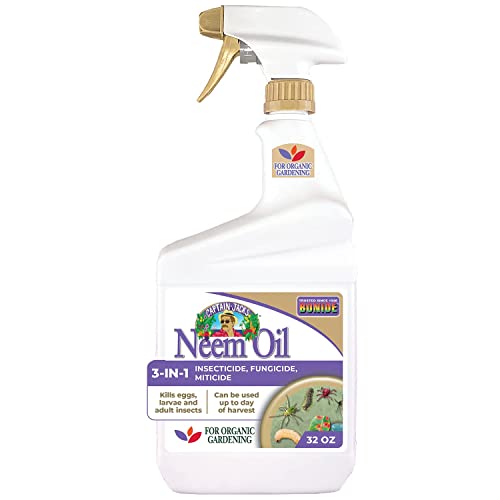
Protect your oasis with 3 garden products in 1 from Captain Jack’s; Bonide Captain Jack’s Ready-to-Use Neem Oil spray for plants is a multi-purpose fungicide, insecticide and miticide for your lawn & garden

FUNGAL DISEASE CONTROL: Prevents and controls black spot on roses, powdery mildew, rust, downy mildew, and other listed fungal diseases when applied on a 7–14 day schedule

Protect your oasis with Captain Jack’s Neem Max Ready-to-Use Spray; this multipurpose product acts as a 4-in-1 insecticide, fungicide, miticide and nematicide
Benefits of Organic Pesticides
- Safety for Ecosystem: Organic pesticides typically contain natural ingredients, making them less harmful to beneficial insects, birds, and other wildlife. Using these options protects the broader ecosystem surrounding your fruit trees.
- Fewer Chemical Residues: By choosing organic, you reduce the chemical residue on your fruit. This is essential for health-conscious consumers aiming to enjoy fresh, chemical-free produce.
- Environmental Sustainability: Organic farming promotes biodiversity and soil health. Utilizing organic pesticides helps maintain the balance in your garden’s ecosystem.
- Resistance Management: Many pests develop resistance to synthetic pesticides over time. Organic alternatives, with diverse modes of action, help in managing pest populations effectively without encouraging resistance.
- Neem Oil: Extracted from the seeds of the neem tree, neem oil disrupts the life cycle of various pests. It’s effective against aphids, spider mites, and whiteflies, making it a popular choice among organic gardeners.
- Insecticidal Soap: Made from fatty acids and plant oils, insecticidal soap targets soft-bodied pests like aphids and slugs. It suffocates them on contact.
- Diatomaceous Earth: Composed of fossilized algae, diatomaceous earth acts as a physical barrier to insects. When they come into contact with it, it damages their exoskeleton, leading to dehydration.
- Garlic Spray: Garlic contains compounds that repel pests. Mixing garlic with water creates a natural spray effective against various insects while adding no harmful chemicals.
- Bacillus Thuringiensis (Bt): This beneficial bacterium targets caterpillars and certain larvae. When ingested, it produces toxins that effectively eliminate these pests.
These organic ingredients not only fight pests but also promote healthier growth for your fruit trees. Using them strategically ensures a thriving garden that remains free from harmful chemicals.
How to Make Organic Pesticide for Fruit Trees
Making organic pesticide for your fruit trees is straightforward and effective. These methods use natural ingredients to combat pests while preserving your garden’s ecosystem.
Recommended Products

Control diseases and insects in your garden with Captain Jack’s Fruit Tree Spray Concentrate! Use on a variety of listed fruits, nuts and citrus plants.

KILLS LISTED FRUIT & CITRUS TREE INSECTS: Controls Asian Citrus Psyllid, Whiteflies, Aphids Thrips, Citrus Leafminers, Leafhoppers, Blackfly, Mealybugs, Scales, Avocado Lacebugs, Oriental Beetles, Flea Beetles, Sharpshooters, and Spittlebugs

TRIPLE PROTECTION FORMULA: 3-in-1 solution kills listed insects, controls listed diseases, and controls listed mites with one easy application
Step-by-Step Guide
- Neem Oil Solution
- Mix 1-2 tablespoons of neem oil with 1 gallon of water.
- Add a few drops of dish soap to help emulsify the mixture.
- Spray directly on affected trees, focusing on the undersides of leaves.
- Insecticidal Soap
- Combine 1-2 tablespoons of liquid soap in 1 gallon of water.
- Stir well and pour into a spray bottle.
- Apply to infested areas, targeting pests like aphids and spider mites.
- Diatomaceous Earth
- Sprinkle a thin layer of diatomaceous earth around the base of the tree and on affected foliage.
- Reapply after rain or watering.
- This non-toxic powder disrupts the exoskeletons of insects.
- Garlic Spray
- Blend 2-3 cloves of garlic with 1 quart of water.
- Strain the mixture and add a few drops of dish soap.
- Spray on trees to repel a variety of pests.
- Bacillus Thuringiensis (Bt)
- Dilute Bt according to package instructions.
- Spray on leaves where caterpillars or other target pests are present.
- Ensure you treat during the evening to protect beneficial insects.
- Timing Matters: Apply organic pesticide early in the morning or late in the afternoon to minimize harm to beneficial insects.
- Safety First: Wear gloves and a mask when mixing and applying pesticides to avoid skin irritation or respiratory issues.
- Testing: Conduct a small patch test on a few leaves before widespread application to ensure no adverse reactions occur.
- Monitor: Regularly check your trees for pests and reapply treatments as necessary. It’s better to act early.
- Mix Fresh: Always mix a fresh batch for each application. Old mixtures lose effectiveness and can promote mold.
Implementing these steps creates a healthier environment for your fruit trees and deters harmful pests naturally.
Additional Methods for Pest Control
Exploring other pest control methods enhances your organic gardening efforts. These techniques help manage pests naturally, promoting a healthy environment for your fruit trees.
Recommended Products

Observe the fascinating process of ladybug metamorphosis! Ladybug Land allows you to observe every intriguing stage of ladybug metamorphosis with our new and improved domed Ladybug Land. Your order comes with a voucher to redeem live ladybugs.


Observe the fascinating process of ladybug metamorphosis! Raise your very own Pink Spotted Ladybugs with Insect Lore ladybug larvae. Each tube contains 10-15 live larvae. Raising and care instructilons included. Habitat sold seperately.
Natural Predators
Utilizing natural predators can significantly reduce pest populations. Beneficial insects like ladybugs, lacewings, and parasitic wasps target harmful pests. To attract these allies, plant native flowers such as marigolds, dill, and yarrow. These plants provide nectar and habitat, encouraging more beneficial insects to visit your garden.
You can also introduce predatory insects. For example, release ladybugs near aphid-infested areas. Within days, you’ll notice fewer aphids and a more balanced ecosystem.
Companion Planting
Companion planting involves growing specific plants together to deter pests. Certain plants repel insects or attract beneficial ones. For instance, marigolds repel nematodes while basil wards off flies and mosquitoes.
To implement this method, choose companions that complement your fruit trees. For example, plant garlic or chives near apple trees to deter apple maggot flies. Arrange companion plants around your fruit trees, ensuring each plant serves a purpose.
Combining these methods with organic pesticides creates an effective and harmonious approach to pest control in your garden. Prioritize integration for a flourishing garden.
Safety Considerations
Safety is paramount when making and using organic pesticides for fruit trees. Taking precautions protects you, beneficial insects, and the environment.
Handling Ingredients
Always wear gloves, goggles, and a mask when handling ingredients to prevent skin irritation and respiratory issues. For example, neem oil can be potent, and direct contact may cause irritation. Use suitable containers for mixing, and keep ingredients out of reach of children and pets. Clean up spills immediately to avoid slips or unintended contact with skin.
Environmental Impact
Using organic pesticides minimizes harmful effects on the environment. Ensure you apply these solutions during low-activity periods for beneficial insects, like early morning or late evening. Limit overspray to protect nearby plants and beneficial organisms. Monitor the weather, as rain can wash away treatments or cause runoff. By following these best practices, you support a healthier ecosystem while managing pests effectively.
Conclusion
Making your own organic pesticide is a rewarding way to protect your fruit trees while keeping the environment safe. By using natural ingredients and following the steps outlined, you’ll not only combat pests effectively but also promote healthier growth for your trees.
Remember to monitor your garden regularly and adjust your methods as needed. Embracing organic practices can lead to a thriving ecosystem that benefits both your plants and the beneficial insects around them.
Enjoy the process of nurturing your garden and watching your fruit trees flourish without the worry of harmful chemicals. Happy gardening!
Frequently Asked Questions
What are organic pesticides?
Organic pesticides are natural substances used to control pests without the harsh chemicals found in conventional pesticides. They are generally safer for beneficial insects and the environment.
Why should I use organic pesticides on my fruit trees?
Using organic pesticides helps protect your crops while minimizing chemical residues. They promote sustainability and reduce the risk of harming beneficial insects and the ecosystem.
How can I make my own organic pesticide?
You can make organic pesticides using natural ingredients like neem oil, insecticidal soap, or garlic spray. The article provides detailed instructions for preparing these solutions.
What are some common organic pest control methods?
Common methods include neem oil, insecticidal soap, diatomaceous earth, garlic spray, and Bacillus thuringiensis (Bt). These help eliminate pests and support the health of your fruit trees.
Are there additional pest control strategies besides organic pesticides?
Yes, using natural predators like ladybugs, companion planting, and planting native flowers can effectively reduce harmful insects and promote a balanced ecosystem in your garden.
What safety precautions should I take when using organic pesticides?
Always wear gloves, goggles, and masks to protect against irritation and respiratory issues. Apply solutions during low-activity periods for beneficial insects to minimize their impact.
How often should I apply organic pesticides?
It’s best to apply organic pesticides as needed, generally when you notice pest activity. Monitoring your garden regularly will help determine the right timing for applications.
