

Are you dreaming of fresh, creamy Hass avocados straight from your backyard? If you’ve planted a Hass avocado tree, you might be wondering when you can expect to enjoy that delicious fruit. Knowing the timeline for fruit production can help you plan and care for your tree more effectively.
Key Takeaways
- Lifecycle Stages: Hass avocado trees progress through various stages—germination, seedling, juvenile, and mature—taking 3 to 4 years to start producing fruit.
- Influential Factors: Key factors affecting fruit production include tree age, pollination, climate, watering consistency, soil health, and proper fertilization.
- Pollination Importance: Cross-pollination enhances fruit yield; planting multiple trees and attracting pollinators can significantly boost production.
- Optimal Conditions: Hass avocado trees thrive in warm climates (60°F to 85°F) with well-draining, nutrient-rich soil. Soil pH should be between 6.0 and 6.8.
- Challenges to Overcome: Pests, diseases, and environmental stressors like temperature extremes and watering issues can hinder fruit production. Regular monitoring and proactive care are essential.
- Patience is Key: The journey to enjoying Hass avocados requires time and attention; understanding the growth timeline and care practices will lead to successful harvests.
Understanding Hass Avocado Trees
Hass avocado trees are popular for their rich, creamy fruit. Knowing their lifecycle and the factors that influence fruit production helps you grow them successfully.
The Lifecycle of Hass Avocado Trees
Hass avocado trees undergo several stages before they bear fruit:
- Germination: Avocado seeds typically sprout within 2 to 6 weeks when planted in favorable conditions.
- Seedling Stage: During this period, your tree grows leaves and develops a root system. This stage lasts about 6 months to a year.
- Juvenile Stage: Lasting 2 to 4 years, the tree focuses on growth rather than fruit production. You’ll notice increased height and more leaves.
- Mature Stage: After 3 to 4 years, you can expect the first flowers. The transition to producing fruit occurs, taking about 5 to 7 years for significant harvests.
Factors Affecting Fruit Production
Several key factors influence how and when your Hass avocado tree produces fruit:
- Age: Younger trees typically don’t bear fruit until they reach maturity. It takes about 3 to 4 years post-planting for the first signs of fruit.
- Pollination: Hass avocados benefit from cross-pollination. Planting a second tree increases fruit yield. Ensuring proper pollinators improves fruit set.
- Climate: Hass avocados thrive in USDA zones 9 to 11. Warm temperatures and moderate humidity enhance fruit development.
- Watering: Consistent, deep watering is crucial. Overwatering or underwatering can stress the tree and impact fruiting.
- Soil Health: Well-draining soil rich in organic matter supports healthy trees. Test your soil regularly and amend as needed.
- Fertilization: Balanced, slow-release fertilizers promote growth and fruit production. Fertilize in spring and again in late summer for optimal results.
Understanding these aspects helps you nurture your Hass avocado tree, leading to successful fruit production.
Optimal Growing Conditions
Hass avocado trees thrive in specific conditions that enhance fruit production. Focusing on the right climate and soil types is crucial for success.
Recommended Products

All-Natural: Special blend for growing avocados in containers or as houseplants


【Expertly Crafted】Meticulously formulated with a blend of organic matter, perlite, and vermiculite for optimal tree growth and fruit production.
Climate Requirements
Hass avocado trees prefer a warm climate with ample sunlight. Ideal temperatures range from 60°F to 85°F. Protect your tree from frost, as it can damage flowers and fruit. Areas with well-defined seasons benefit avocado trees, promoting healthy growth. A coastal environment provides a moderate climate, ideal for robust fruit development.
Soil Preferences
Hass avocado trees need well-draining soil, preferably sandy or loamy. Soil pH between 6.0 and 6.8 is ideal for strong root development. Avoid heavy clay soils that retain water, as this can lead to root rot. To enhance soil health, mix organic matter like compost. This addition nourishes the tree and promotes better drainage. Regularly test your soil for nutrient levels, adjusting as needed to maintain optimal growing conditions.
Pollination and Fruit Set
Pollination plays a crucial role in the fruiting process of Hass avocado trees. Understanding how pollination works and the types of pollination involved can significantly enhance your tree’s fruit production.
Recommended Products
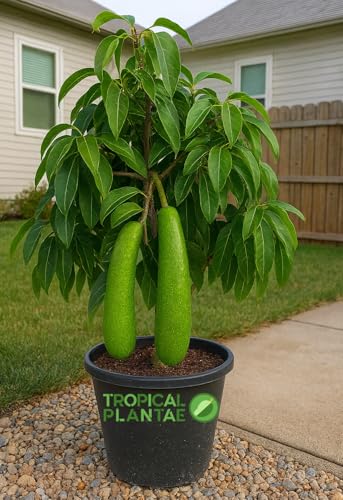
Choosing a variety like this adds something special to your home: a tree that grows tall, elegant, and impressive… a tree that becomes part of your environment and part of your everyday life.
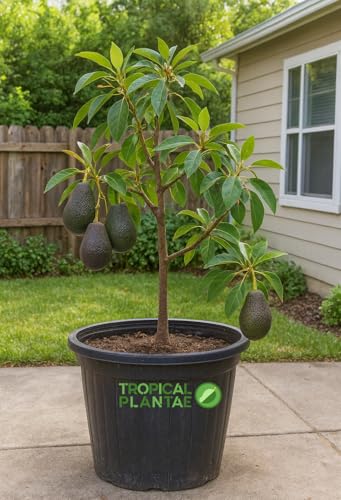
The Hass Avocado, celebrated for its rich, creamy fruits, offers not only culinary versatility but also the joy of nurturing a thriving fruit tree.
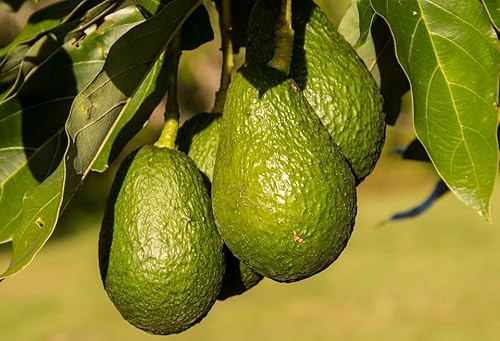
The Hass Avocado, celebrated for its rich, creamy fruits, offers not only culinary versatility but also the joy of nurturing a thriving fruit tree.
The Role of Pollinators
Pollinators, such as bees and other insects, are essential for Hass avocado trees. These creatures transfer pollen from the male flowers to the female flowers, facilitating fertilization. Without this process, your tree may produce fewer fruits or none at all. Planting flowers nearby can attract these helpful pollinators and create a thriving environment for your avocados.
Self-Pollination vs. Cross-Pollination
Hass avocado trees produce both male and female flowers, but they don’t open at the same time. This characteristic leads to two types of pollination: self-pollination and cross-pollination.
- Self-Pollination: Some flowers may be capable of pollinating themselves. However, the success rate may be lower compared to cross-pollination.
- Cross-Pollination: This method, where pollen from one tree fertilizes another, often yields better results. It’s beneficial to plant at least two trees in close proximity to improve overall fruit set. The combination of different avocado varieties can boost pollination success.
By ensuring adequate pollination, you increase your chances of enjoying a bountiful harvest of delicious Hass avocados. Keep these factors in mind as you cultivate your tree for maximum fruit production.
Average Fruit Production Timeline
Understanding the average fruit production timeline for Hass avocado trees helps you plan your care and expectations effectively. Here’s a breakdown of the growth stages and the timeline for your first harvest.
Typical Growth Stages
- Germination: Germination occurs within 2 to 6 weeks after planting the seed, depending on temperature and moisture.
- Seedling Stage: The seedling stage lasts about 6 to 12 months. Young plants should be nurtured with consistent watering and sunlight.
- Juvenile Stage: This stage lasts from 1 to 3 years, during which the tree develops a strong root system and foliage. You’ll see growth in height and leaf number.
- Mature Stage: After 3 to 4 years, the tree reaches maturity. This phase involves floral development, leading to fruit production.
Time to First Harvest
You can expect your first crop of Hass avocados 3 to 4 years after planting the tree. Several factors influence this timeline:
- Tree Age: Younger trees may take longer to produce fruit, while trees older than 3 years typically yield avocados sooner.
- Environmental Conditions: Favorable climate conditions, such as warmth and adequate sunlight, encourage quicker fruiting.
- Pollination: If you’ve planted multiple trees, pollination increases fruit yield. Cross-pollination is more effective than self-pollination.
- Tree Care: Proper watering, soil nutrition, and pest control significantly affect fruiting time.
Knowing these stages and timelines helps you maintain patience and care for your Hass avocado tree, ensuring a fruitful harvest in due time.
Common Challenges to Fruit Production
Hass avocado trees face several challenges that can affect their fruit production. Understanding these hurdles helps you maintain a productive tree.
Recommended Products


3-IN-1 GARDEN SPRAY - Earth’s Ally 3-in-1 Plant Spray is an insecticide, miticide and fungicide. The houseplant pest spray effectively kills and controls soft-bodied insects and common plant diseases with a synergistic blend of essential oils.
Pests and Diseases
Pests and diseases pose significant threats to Hass avocado trees. Common pests include:
- Avocado Lace Bug: This insect feeds on leaves, causing discoloration and drop.
- Spider Mites: These tiny pests create webbing and weaken leaves, impacting fruit development.
- Fruit Flies: These pests lay eggs in fruit, leading to early spoilage.
To combat these pests, use insecticidal soap or neem oil. Regularly inspect your tree for signs of infestation. Implementing good cultural practices, like maintaining tree health through adequate water and nutrients, can minimize disease risks. Look for symptoms such as wilting or leaf spots, and consider consulting with local agricultural extensions for specific disease management strategies.
Environmental Stressors
Environmental conditions significantly influence avocado fruit production. Key stressors include:
- Temperature Extremes: Hass avocados thrive in temperatures between 60°F and 85°F. Frost can damage blossoms, while excessive heat may cause fruit drop.
- Water Inconsistency: Overwatering can lead to root rot, while underwatering stresses trees, limiting fruit yield.
- Soil Quality: Poor soil drainage can impact root health, affecting overall growth.
To mitigate environmental stressors, ensure proper irrigation practices. Drip irrigation can provide consistent moisture without waterlogging. Use mulch to retain soil moisture and regulate temperature. Regular soil testing helps maintain the right pH and nutrient levels, supporting your tree’s health and fruit production.
By addressing these challenges proactively, you can optimize the conditions necessary for your Hass avocado tree to produce fruit effectively.
Conclusion
Growing your own Hass avocado tree can be a rewarding journey filled with anticipation. Understanding the timeline for fruit production helps you plan and care for your tree more effectively.
By providing optimal conditions and addressing any challenges that arise, you’re setting yourself up for success. Remember that patience is key as your tree matures and begins to bear fruit.
With the right care and attention, you’ll soon enjoy the delicious avocados you’ve nurtured from your backyard. Happy gardening and may your harvest be plentiful!
Frequently Asked Questions
How long does it take for Hass avocado trees to produce fruit?
Hass avocado trees typically take about 3 to 4 years to start producing fruit after they reach maturity. The process begins with germination, which takes 2 to 6 weeks, followed by several growth stages before flowering and fruiting can occur.
What are the ideal growing conditions for Hass avocado trees?
Hass avocado trees thrive in warm climates with temperatures ranging from 60°F to 85°F. They need well-draining sandy or loamy soil with a pH of 6.0 to 6.8 and protection from frost for optimum fruit production.
Do Hass avocado trees require cross-pollination?
While Hass avocado flowers can self-pollinate, cross-pollination often leads to better fruit yields. It’s beneficial to plant at least two trees close together to enhance pollination through bees and other pollinators.
What factors affect fruit production in Hass avocado trees?
Key factors influencing fruit production include the tree’s age, pollination effectiveness, climate conditions, watering practices, soil health, and fertilization. Proper care and attention to these elements can improve yield quality and quantity.
How can I protect my Hass avocado trees from pests?
To protect Hass avocado trees from pests like avocado lace bugs and spider mites, you can use insecticidal soap or neem oil. Regular monitoring and early intervention are crucial to managing infestations effectively.
What is the best way to ensure healthy soil for growing Hass avocados?
To ensure healthy soil for Hass avocado trees, incorporate organic matter like compost and conduct regular soil testing to maintain nutrient levels. Well-draining sandy or loamy soil is essential for preventing root rot.
How can I improve pollination for my avocado trees?
To improve pollination for your avocado trees, plant at least two trees close to each other. Additionally, attract pollinators by growing nearby flowering plants to increase the chances of successful fertilization.
