

Ever wondered how deep you should plant cantaloupe seeds for a bountiful harvest? Picture this: you’ve got your gardening tools ready, but the uncertainty of seed depth lingers. Don’t fret; we’ve got you covered!
Key Takeaways
- Understanding the optimal depth for planting cantaloupe seeds is crucial for proper germination and healthy plant development.
- Factors such as soil type, climate, and watering practices influence how deep you should plant cantaloupe seeds.
- Adjusting planting depth based on soil texture, type, and climate conditions can optimize growth for a successful harvest.
- Proper preparation of the soil, spacing techniques, and watering practices are essential steps for successful cantaloupe seed planting.
- Maintaining adequate moisture levels, warm soil temperatures, and sufficient sunlight exposure are key factors in achieving successful germination of cantaloupe seeds.
Understanding Cantaloupe Seed Planting
When planting cantaloupe seeds, understanding the optimal depth is crucial for a bountiful harvest. Here’s what you need to know about planting cantaloupe seeds effectively:
Importance of Seed Depth
Planting cantaloupe seeds at the right depth ensures proper germination and healthy plant development. If planted too shallow, the seeds might dry out quickly, affecting their ability to sprout. On the other hand, burying them too deep can hinder their access to essential nutrients and sunlight, stunting growth.
Factors Influencing Depth
Several factors influence how deep you should plant cantaloupe seeds:
- Soil Type: The composition of your soil impacts seed depth requirements. Lighter soils may necessitate shallower planting depths compared to heavier soils.
- Climate: Consider your local climate when determining seed depth. Warmer climates may require slightly deeper planting to protect seeds from drying out.
- Watering Practices: Your watering routine affects seed moisture levels. Adjust planting depth based on how frequently you water your plants.
By considering these factors and understanding the significance of seed depth, you can optimize your cantaloupe seed planting process for a successful growing season.
Optimal Depth for Cantaloupe Seeds
When planting cantaloupe seeds, getting the depth right is crucial for successful growth. Here’s how to determine the optimal depth to ensure your cantaloupes thrive.
Soil Texture and Type
For sandy soils, plant your cantaloupe seeds about 1 inch deep. In loamy or clay soils, aim for a depth of around 0.5 inches. The key is to provide enough coverage for moisture retention without burying the seeds too deeply.
Climate Considerations
In warmer climates, where soil tends to dry out faster, consider planting your cantaloupe seeds slightly deeper than in cooler regions. A depth of 1-1.5 inches may be more suitable to help maintain adequate moisture levels for germination.
By adjusting the planting depth based on your soil type and climate, you can give your cantaloupe seeds the best start possible for healthy growth and abundant harvests.
Steps to Plant Cantaloupe Seeds
Planting cantaloupe seeds at the correct depth is crucial for successful germination and healthy plant growth. Follow these steps to ensure your cantaloupe seeds are planted optimally.
Recommended Products

Vegetable seeds variety pack: Grow 35 varieties of leafy greens, root vegetables, tomatoes, peppers, beans, peas, squash, melons, and more. Includes 16,000+ vegetable seeds for planting outdoors in raised beds, garden rows, or containers.

INDOOR SEED STARTING KIT: Complete growing set includes two 36-cell planting trays, one water reservoir tray, 72 super growing pellets, and a dome greenhouse cover. An easy and efficient way to start seeds indoors! Use to grow your favorite herbs, vegetables and flowers.

Graphene Seed Heat Mat for Faster Germination: Compared to traditional electric heating mats, our graphene heat mat heats up faster and more evenly, with a built-in timer for convenience. It creates the ideal environment for indoor seed starting trays, greenhouse seed germination, and hydroponic plant propagation. Designed for indoor gardening, this waterproof and reusable heat mat accelerates growth and improves seedling survival rates.
Preparing the Soil
To prepare the soil for planting cantaloupe seeds, start by selecting a well-draining location with plenty of sunlight. Ensure that the soil is rich in organic matter and amend it with compost if needed to improve fertility. Clear any debris or weeds from the planting area to provide a clean environment for seed germination.
Planting and Spacing Techniques
When planting cantaloupe seeds, create mounds or rows in the soil to promote good drainage and prevent waterlogging. Make small indentations in the soil about 0.5-1 inch deep, depending on your soil type and climate conditions. Place 2-3 seeds per hole and cover them lightly with soil.
Space out your planting holes according to the recommended spacing for cantaloupes, typically around 36-48 inches apart in rows that are 5-6 feet apart. This spacing allows room for the vines to spread out as they grow without overcrowding.
Water the newly planted seeds gently but thoroughly, ensuring that the soil stays consistently moist but not waterlogged during germination. Once the seedlings emerge, thin them out, leaving only the healthiest plant in each grouping of seeds.
By following these steps and adjusting your planting depth based on soil type and climate conditions, you’ll set your cantaloupe seeds up for success in producing a bountiful harvest.
Tips for Successful Germination
When it comes to planting cantaloupe seeds, ensuring successful germination is key. Here are some tips to help you achieve optimal results:
Recommended Products

IDEAL GERMINATION TEMPERATURE: The BN-LINK seedling heat mats for seed starting helps maintain temperatures around 70°F to 85°F, the optimal range for seed germination, cutting propagation, and healthy seedling growth. Achieve faster germination and higher growth rates with seed heating mat.

Reliable Results: The VIVOSUN professional heat mat maintains optimal temperatures around 68-86℉ (20-30℃), perfect for Seedling start and cutting propagation; Made from durable PVC material, it's designed to last
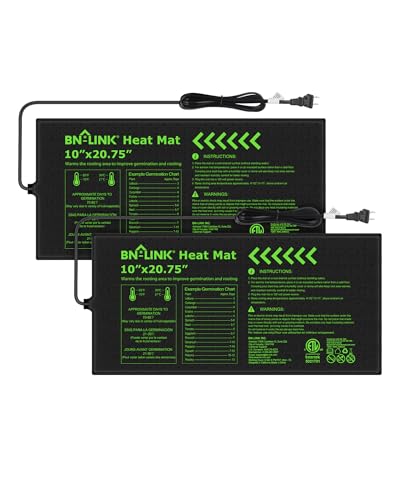
IDEAL GERMINATION TEMPERATURE: The BN-LINK seedling heat mats for seed starting helps maintain temperatures around 70°F to 85°F, the optimal range for seed germination, cutting propagation, and healthy seedling growth. Achieve faster germination and higher growth rates with seed heating mat.
Watering Practices
To promote successful germination, it’s essential to maintain proper watering practices. Keep the soil consistently moist but not waterlogged. Ensure that the seeds receive adequate moisture without being overly saturated. Monitor the soil moisture regularly and adjust your watering schedule as needed to support healthy seed development.
Temperature and Sunlight Needs
Cantaloupe seeds require warm soil temperatures to germinate effectively. Aim for a soil temperature of around 70-90°F (21-32°C) for best results. Additionally, provide ample sunlight exposure for the growing plants. Place your cantaloupe seeds in a location that receives full sun, ideally at least 6-8 hours of sunlight per day. Adequate warmth and sunlight are crucial factors in promoting successful germination and robust plant growth.
By following these tips on watering practices, temperature requirements, and sunlight needs, you can improve the chances of successful cantaloupe seed germination and cultivate healthy plants for a bountiful harvest.
Conclusion
Planting your cantaloupe seeds at the right depth is key to kickstarting their growth journey. Remember, soil type and local climate play significant roles in determining the ideal planting depth. Tailoring the depth based on these factors can give your seeds the best chance of germination and thriving plant development. Additionally, be mindful of watering frequency, temperature requirements, and sunlight exposure to ensure optimal conditions for your cantaloupe seeds. By striking a balance between moisture levels, warmth, and sunlight availability, you set yourself up for a bountiful cantaloupe harvest. So go ahead, plant those seeds with confidence and watch your garden flourish!
Frequently Asked Questions
Q: What is the importance of planting cantaloupe seeds at the correct depth?
A: Planting cantaloupe seeds at the correct depth ensures successful germination and healthy plant growth. Factors like soil type and climate should be considered for optimal results.
Q: How should I adjust planting depth based on soil composition?
A: In sandy soils, plant cantaloupe seeds 1 inch deep; in clay soils, plant them 1/2 inch deep to accommodate different drainage rates and water retention capacities.
Q: What temperature range is ideal for cantaloupe seed germination?
A: Cantaloupe seeds require warm temperatures between 70-90°F for successful germination, so ensure a suitable environment for best results.
Q: How much sunlight exposure do cantaloupe seeds need daily?
A: Cantaloupe seeds need 6-8 hours of sunlight exposure per day to thrive, aiding in photosynthesis and overall plant development.
Q: Why is maintaining proper soil moisture crucial for cantaloupe seed germination?
A: Proper soil moisture levels are essential for cantaloupe seed germination as it provides the necessary hydration for seed activation and initial root growth.
