

Ever wondered how many cucamelon plants you should grow per person? Picture this: You’re planning your garden, envisioning fresh cucamelons for your salads and snacks. But the question lingers, “How many should I plant?”
In this article, we simplify the process for you. No more guessing or overcrowding your garden beds. We’ll guide you on the ideal number of cucamelon plants per person to ensure a bountiful harvest without overwhelming your space.
Get ready to cultivate your cucamelons with confidence as we share practical insights tailored to your gardening needs. Let’s explore the perfect balance between quantity and quality in growing these delightful miniature fruits.
Key Takeaways
- Cucamelons are grape-sized fruits that thrive in warm climates, resembling mini watermelons with a cucumber-like taste.
- Each cucamelon plant can yield approximately 75 to 100 fruits per growing season, making them ideal for salads, pickling, or snacking.
- Estimating consumption needs is crucial; an individual might consume 20 to 30 cucamelons per week during peak harvest times.
- Recommended planting ranges from 2 to 3 plants for a single person, 6 to 9 plants for small families, and over 10 plants for larger households.
- Factors like consumption rate, yield per plant, growing conditions, and harvesting frequency should be considered when calculating the number of cucamelon plants per person.
- Care tips include consistent watering (moist soil but not waterlogged), regular fertilizing with balanced fertilizer, pest management using natural deterrents like neem oil or insecticidal soap, and disease control through proper spacing and prompt removal of affected parts.
Understanding Cucamelon Plants
Cucamelons, also known as Mexican sour gherkins or mouse melons, are tiny fruits that resemble mini watermelons but taste like cucumbers with a hint of tanginess. These vine-grown fruits are easy to cultivate and add a unique touch to your garden.
What Are Cucamelons?
Cucamelons are grape-sized fruits that pack a refreshing crunch in every bite. They thrive in warm climates and are perfect for snacking, pickling, or adding to salads. With their cute appearance and delightful flavor, cucamelons are a favorite among gardeners looking to diversify their produce selection.
Growing Conditions for Cucamelons
To ensure your cucamelon plants flourish, provide them with full sun exposure and well-draining soil. These plants require regular watering, especially during hot spells, to keep the soil consistently moist but not waterlogged. Additionally, consider providing support structures such as trellises for the vines to climb and spread efficiently.
Remember that spacing is crucial when planting cucamelon seeds or seedlings. Aim for approximately 12 inches between each plant to allow ample room for growth and prevent overcrowding. By maintaining proper spacing and adhering to recommended growing conditions, you’ll maximize your harvest yield while enjoying healthy cucamelon plants throughout the season.
Plant Yields and Consumption Needs
When it comes to cucamelon plants, understanding their average yield per plant and estimating your consumption needs is key to planning a successful garden harvest.
Recommended Products

High Germination Rate: cucamelons seeds sprout in 10-14 days at 70 °F, Full sun, Start inside 4 weeks before last frost or outdoors in warm soil. Sow 1/4" deep, space 9-12" apart – perfect climbing cucumber seeds for patio or vegetable garden.

Beautiful – Large premium packet of Cucamelon (Melothria scabra) seeds. Also known as Mexican Sour Gherkin, cucamelon is a unique, vining plant that produces small, cucumber-like fruits with a tangy, citrusy flavor. Perfect for pickling, salads, or snacking, these little fruits are a fun addition to any garden. Minimum of 200 mg per packet (about 65 seeds).

Appearance: Cucamelons, or "Mexican sour gherkins," are tiny, grape-sized fruits that look like miniature watermelons, featuring a green skin with white stripes.
Average Yield per Cucamelon Plant
Cucamelon plants are known for their productivity, with each plant capable of yielding around 75 to 100 cucamelons during a growing season. These miniature fruits may be small in size but pack a flavorful punch, making them a delightful addition to salads, pickles, or enjoyed on their own as a healthy snack.
To put this into perspective, if you’re aiming for a steady supply of cucamelons throughout the season, planting 2 to 3 plants per person should provide you with an abundant harvest to enjoy fresh or preserve for later use.
Estimating Cucamelon Consumption
Estimating your cucamelon consumption largely depends on how you plan to incorporate these versatile fruits into your meals. If you enjoy adding cucamelons to salads regularly or using them in various recipes, you may want to increase the number of plants per person accordingly.
On average, one person who enjoys cucamelons as part of their regular diet might consume anywhere from 20 to 30 cucamelons per week during the peak harvest period. This estimate can help you gauge how many plants to cultivate based on your household’s preferences and culinary habits.
By considering both the average yield per plant and estimating your consumption needs, you can ensure that your cucamelon garden provides you with a bountiful supply of these unique fruits while meeting your culinary requirements throughout the growing season.
Calculating the Number of Cucamelon Plants Per Person
To ensure you have enough cucamelons for your needs, there are specific factors to consider when calculating the number of plants per person. By understanding these factors and following recommendations tailored to different household sizes, you can plan your cucamelon garden effectively.
Recommended Products

You will receive two young Cucamelon live plants growing together in one 4 inch nursery pot

Appearance: Cucamelons, or "Mexican sour gherkins," are tiny, grape-sized fruits that look like miniature watermelons, featuring a green skin with white stripes.

Each order includes 1 cucamelon seedlings growing together in a 4 inch pot, ready to transplant into your garden or larger container.
Factors to Consider
When determining the number of cucamelon plants per person, several key aspects come into play:
- Consumption Rate: Assess how many cucamelons an individual in your household is likely to consume weekly during peak harvest times.
- Yield per Plant: Understand the average yield each cucamelon plant can produce in a season, which typically ranges from 75 to 100 fruits.
- Growing Conditions: Consider the space available for cultivation, sunlight exposure, soil quality, and watering needs to optimize plant growth.
- Harvesting Frequency: Determine how often you plan to harvest cucamelons as this affects the continuous supply for consumption or preservation.
Recommendations for Different Household Sizes
Based on the factors mentioned above, here are general recommendations on the number of cucamelon plants suitable for various household sizes:
- For a single individual: Planting 2 to 3 cucamelon plants should provide ample supply without overwhelming one person’s consumption capacity.
- Small families (2-3 members): Aim for around 6 to 9 plants to cater to increased demand while ensuring a steady harvest throughout the season.
- Larger households (4+ members): Consider planting 10 or more plants depending on family size and preferences for fresh consumption or preserving excess cucamelons.
By considering these factors and recommendations based on your household size, you can accurately calculate the ideal number of cucamelon plants needed per person. This approach ensures a bountiful harvest that meets your consumption requirements throughout the growing season.
Care Tips for Optimal Yield
When caring for your cucamelon plants, there are key factors to consider to ensure they thrive and provide you with a bountiful harvest. Paying attention to watering, fertilizing, pest management, and disease control will help you maximize the yield of these unique fruits.
Recommended Products
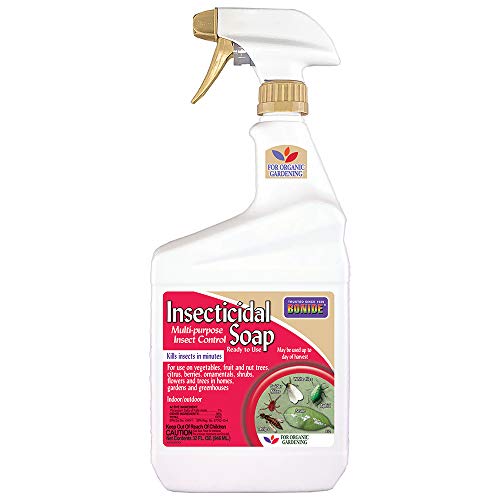
Captain Jack's Insecticidal Super Soap controls species of adelgid, ant, aphid, borer, caterpillar, spider mite, cricket, chinch bug, weevil, fly, thrip, and more

READY-TO-USE CONTACT SPRAY: No mixing required. Thoroughly spray insecticide on all plant parts, including the underside of leaves. Pests must be sprayed directly to achieve control

Package contains 4 Pounds organic fruit and citrus fertilizer grains and is produced to avoid wasteful runoff, mess, hazards and smells
Watering and Fertilizing
To promote healthy growth and fruit production in your cucamelon plants, make sure to water them consistently. Aim for soil that is moist but not waterlogged. During hot weather or dry spells, increase watering frequency to keep the plants hydrated.
Fertilize your cucamelon plants regularly with a balanced fertilizer to provide essential nutrients for robust growth. A general-purpose fertilizer can be applied every few weeks during the growing season according to the manufacturer’s instructions. Avoid over-fertilizing as it can lead to excessive foliage growth at the expense of fruit production.
Pest Management and Disease Control
Keep an eye out for common pests that may affect cucamelon plants, such as aphids, spider mites, and cucumber beetles. Regularly inspect the leaves and stems for any signs of infestation and take prompt action if pests are detected.
Implement preventive measures like using insecticidal soap or neem oil to deter pests naturally without harming beneficial insects. Additionally, practicing crop rotation each season can help reduce pest populations by disrupting their life cycles.
For disease control, ensure good air circulation around the plants by spacing them properly during planting. This helps prevent fungal diseases like powdery mildew. If signs of disease appear, remove affected plant parts promptly to prevent further spread.
By following these care tips diligently, you’ll create an environment where your cucamelon plants can flourish and reward you with a plentiful harvest of delicious mini watermelon-like fruits throughout the growing season.
Conclusion
Now that you’ve learned about cultivating cucamelon plants, you understand the importance of providing optimal growing conditions and proper plant spacing. With 2 to 3 plants per person, you can enjoy a steady supply of these delightful fruits. Remember to care for your cucamelons by watering consistently, fertilizing appropriately, and managing pests and diseases. By following these simple tips, you’ll be on your way to a successful harvest of cucamelons all season long. Happy gardening!
Frequently Asked Questions
What are cucamelons and how do they taste?
Cucamelons are small fruits that resemble miniature watermelons with a cucumber-like taste.
What are the optimal growing conditions for cucamelon plants?
Cucamelon plants thrive in full sun and well-draining soil with regular watering.
How far apart should I space my cucamelon plants for healthy development?
Space your cucamelon plants about 12 inches apart to ensure proper growth and airflow between plants.
How many cucamelon plants should I grow per person for a consistent supply?
It is recommended to grow 2 to 3 cucamelon plants per person to have a steady harvest throughout the season.
What care tips can help maximize yield from cucamelon plants?
Water consistently, fertilize with balanced fertilizer, manage pests, and control diseases for optimal yield.
How can I maintain healthy cucamelon plants throughout the growing season?
Maintain consistent watering, fertilize appropriately, monitor for pests regularly, and implement disease control measures as needed.
