

Have you ever dreamed of growing your own cucamelons, those adorable tiny fruits that pack a punch of flavor in every bite? Imagine having these crisp, tangy delights right in your backyard or garden. But where can you find the seeds to start your cucamelon journey?
Picture this: You’re envisioning a lush green vine climbing up a trellis, adorned with clusters of cucamelons ready for picking. The satisfaction of harvesting your homegrown produce is unmatched. However, finding the right source for cucamelon seeds can be a challenge.
Key Takeaways
- Cucamelons, also known as “Mexican sour gherkins,” are tiny fruits resembling miniature watermelons with a cucumber-like taste.
- Growing cucamelons at home ensures access to organic produce free from harmful chemicals.
- Purchasing cucamelon seeds can be done through online seed stores, local garden centers, nurseries, farmers markets, and seed exchanges.
- Plant cucamelon seeds after the last frost date in well-draining soil with full sunlight exposure for successful growth.
- Cultivating cucamelons requires planting in rich organic soil, providing consistent watering and sunlight, regular maintenance like fertilizing and pruning, and monitoring for pests using organic control methods.
Understanding Cucamelon Seeds
Cucamelons, also known as “Mexican sour gherkins,” are tiny fruits resembling miniature watermelons but with a cucumber-like taste. These adorable fruits are perfect for snacking, pickling, or adding to salads. If you’re considering growing cucamelons in your garden, understanding their seeds is crucial.
What Are Cucamelons?
Cucamelons are vine plants that produce grape-sized fruits with a refreshing flavor profile. These fruits have thin, edible skins and a juicy interior reminiscent of cucumbers. The seeds of cucamelons are small and can be used for planting to grow your own crop of these delightful mini-fruits.
Why Grow Cucamelons?
Growing cucamelons offers several benefits. Firstly, they are easy to cultivate both in containers and garden beds, making them suitable for various gardening setups. Secondly, these plants are prolific producers, yielding numerous fruits throughout the growing season. Lastly, by growing your own cucamelons from seeds, you ensure access to organic produce free from harmful chemicals commonly found in store-bought options.
By understanding the nature of cucamelon seeds and the advantages of cultivating these unique fruits at home, you can embark on a rewarding gardening journey filled with flavorful harvests.
Purchasing Cucamelon Seeds
When looking to buy cucamelon seeds, there are several convenient options available to you. Here’s where you can find them:
Recommended Products

High Germination Rate: cucamelons seeds sprout in 10-14 days at 70 °F, Full sun, Start inside 4 weeks before last frost or outdoors in warm soil. Sow 1/4" deep, space 9-12" apart – perfect climbing cucumber seeds for patio or vegetable garden.

UNIQUE MINI FRUIT VARIETY - Cucamelon seeds grow grape sized fruits that look like tiny watermelons with a crisp cucumber flavor, fun to eat fresh pickle or add to salads
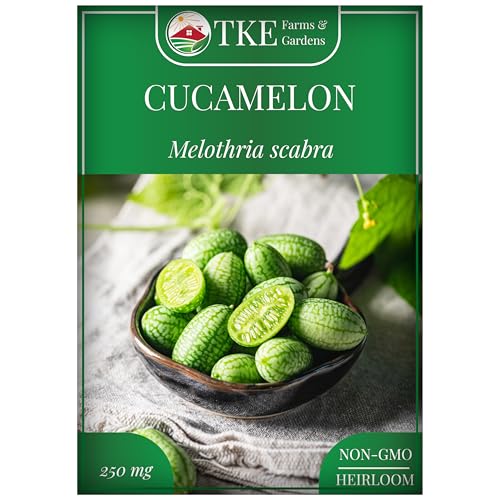
EASY TO GROW - INSTRUCTIONS INCLUDED: Perfect for both beginners and experienced gardeners, these cucamelon seeds are easy to grow. With straightforward instructions, you’ll cultivate a lush crop of bite-sized fruits—great for snacking straight off the vine or adding a twist to dishes.
Online Seed Stores
Online seed stores offer a wide selection of cucamelon seeds for purchase. Websites specializing in rare or heirloom seeds are excellent places to find unique varieties that may not be available locally. You can browse through different seed types, read reviews from other gardeners, and have the seeds delivered right to your doorstep.
Local Garden Centers and Nurseries
Visiting your local garden centers and nurseries is another great way to buy cucamelon seeds. These establishments often carry a variety of seeds suitable for the local climate and growing conditions. Additionally, the staff at these locations can provide valuable advice on planting and caring for your cucamelons, making it a more personalized shopping experience.
Farmers Markets and Seed Exchanges
Farmers markets are not just for fresh produce; they can also be treasure troves for finding cucamelon seeds. Many vendors sell seeds alongside their fruits and vegetables, offering you a chance to speak directly with growers about their products. Seed exchanges, either organized events or informal gatherings among gardening enthusiasts, are fantastic opportunities to trade or purchase unique cucamelon seeds while networking with like-minded individuals.
Preparing to Plant Cucamelon Seeds
To ensure successful growth of your cucamelons, it’s essential to prepare adequately before planting. Here are key steps to consider:
Best Time to Plant
Plant cucamelon seeds after the last frost date in your region when the soil has warmed up. Typically, this falls in late spring or early summer. Cucamelons thrive in warm weather, so make sure the temperatures remain consistently above 70°F (21°C) for optimal growth.
Soil and Climate Requirements
Cucamelons prefer well-draining soil with a pH level between 6.0 and 6.8. Ensure the planting site receives full sunlight for at least six hours a day to promote healthy growth and fruit development. If you’re growing cucamelons in containers, use a rich potting mix that retains moisture but drains well.
By planting your cucamelon seeds at the right time and providing them with suitable soil conditions, you set the stage for a successful harvest of these delightful miniature fruits.
Cultivating Cucamelons
When it comes to cultivating cucamelons, there are specific techniques and care requirements you should follow to ensure a successful harvest of these delightful miniature fruits. Let’s dive into the details:
Planting Techniques
To start growing cucamelons successfully, begin by planting the seeds in well-draining soil once all risks of frost have passed in your area. Ensure the soil is rich in organic matter and slightly acidic for optimal growth conditions. Plant the seeds about 1 inch deep and provide adequate spacing between each seed to allow room for growth.
After planting, make sure to water the seeds consistently, keeping the soil moist but not waterlogged. Cucamelons thrive in sunny locations, so choose a spot in your garden that receives ample sunlight throughout the day. Consider using a trellis or support structure for the vines to climb as they grow.
Care and Maintenance
Once your cucamelon plants start growing, regular maintenance is key to ensuring a bountiful harvest. Keep an eye on moisture levels in the soil, watering when needed to prevent drying out. Mulching around the plants can help retain moisture and suppress weeds.
Fertilize your cucamelon plants with a balanced fertilizer every few weeks to provide essential nutrients for healthy growth. Prune any dead or damaged foliage to promote air circulation and reduce the risk of diseases.
Regularly check for pests such as aphids or spider mites that may affect your plants. If you notice any signs of pest infestation, consider using organic pest control methods to protect your crop without harmful chemicals.
Conclusion
You now have all the essential information to start growing your own cucamelons successfully. Understanding where to buy high-quality seeds is crucial for a bountiful harvest. By following the planting techniques and care tips provided, you’ll be on your way to enjoying these delightful miniature fruits in no time. Embrace the simplicity and joy of cultivating cucamelons, knowing that you can easily access organic produce right from your garden. Happy gardening and enjoy the rewarding experience of watching your cucamelon plants thrive!
Frequently Asked Questions
What are the benefits of growing cucamelons?
Growing cucamelons offers ease of cultivation, access to organic produce, and a unique taste experience.
What planting techniques are important for successful cucamelon growth?
To grow cucamelons successfully, use well-draining soil, provide optimal growing conditions, and ensure proper spacing.
What care and maintenance practices are essential for cucamelon plants?
Care for your cucamelon plants by watering adequately, providing sufficient sunlight, using support structures as needed, fertilizing appropriately, pruning when necessary, and implementing pest control measures.
