

Are you dreaming of fresh limes straight from your garden? If you’ve just planted a lime tree or are thinking about it, you might be wondering how long it’ll take before you can enjoy that zesty flavor.
Key Takeaways
- Time to Fruit: Lime trees typically bear fruit within 3 to 5 years, but it varies by type; Persian limes take 3-4 years, while Key limes take 2-3 years, and Kaffir limes take 4-5 years.
- Growth Conditions: Optimal growth conditions include well-draining soil, at least 6-8 hours of sunlight, consistent moisture, warm temperatures (70°F to 100°F), and regular fertilization.
- Tree Age Matters: Younger lime trees focus on establishing roots and foliage before producing fruit; proper care during these early years accelerates future fruit production.
- Environmental Influences: Soil quality, sunlight, watering practices, and temperature significantly impact how soon lime trees will bear fruit; maintaining ideal conditions promotes faster production.
- Grafting vs. Seeds: Grafting can lead to fruit-bearing within 2-3 years, while starting from seeds may take 5-10 years; choose grafting for quicker results.
- Proper Care is Key: Regular watering, balanced fertilization, and strategic pruning support healthy growth and enhance the chances of abundant fruiting.
Understanding Lime Trees
Lime trees are popular for home gardening, offering fresh fruit and vibrant foliage. You can expect different timelines for fruit-bearing based on the type of lime tree and its growth conditions.
Types of Lime Trees
Several types of lime trees flourish in home gardens. Each variety has unique characteristics.
- Persian Lime: This is the most common lime tree grown commercially. It bears fruit within 3 to 4 years after planting. The fruit is large, juicy, and seedless.
- Key Lime: This variety is smaller and has a distinct flavor. Key lime trees take about 2 to 3 years to produce fruit. They thrive in warm climates.
- Kaffir Lime: Used primarily for its aromatic leaves and bumpy fruit. Kaffir lime trees typically take 4 to 5 years to bear fruit.
- Calamondin Lime: A hybrid between a mandarin and a kumquat, this tree produces small, tart limes. Calamondin lime trees may start bearing fruit within 1 to 2 years.
Growth Conditions
Proper growth conditions greatly affect the fruit-bearing timeline of lime trees. Here are essential factors to consider:
- Soil: Use well-draining soil rich in organic matter. Aim for a pH level between 6.0 and 7.0 for optimal growth.
- Sunlight: Provide at least 6 to 8 hours of direct sunlight each day. More sunlight helps improve fruit production.
- Watering: Keep the soil consistently moist but not soggy. Water deeply when the top inch of soil feels dry.
- Temperature: Lime trees prefer warm temperatures ranging from 70°F to 100°F. Protect them from frost as more extreme conditions can delay fruiting.
- Fertilization: Use a balanced fertilizer designed for citrus trees. Fertilize every 6 to 8 weeks during the growing season to encourage healthy growth and fruit production.
By understanding the types of lime trees and the necessary growth conditions, you can better anticipate when those delightful fruit-bearing years will arrive.
Factors Influencing Fruit Bearing
When planning for a lime tree’s fruit production, several key factors play a role in determining how soon you can expect a harvest. Understanding these factors lets you create the best conditions for your lime tree.
Recommended Products

OMRI Listed - Cz Dolomite Lime is an All-Natural mineral fertilizer listed by the Organic Materials Review Institute (OMRI). It may be used in certified organic production or food processing and handling according to the USDA National Organic Program regulations. (OMRI Certified 2024)

Balanced Organic Nutrition – Supplies a 6‑3‑3 NPK ratio along with calcium, sulfur, iron, and zinc to foster healthy foliage, flowering, and fruit.

STARTING A TROPICAL GARDEN- Comprised of real horticultural grade ingredients such as shredded coir husk, pine bark, perlite, sand, and garden lime; no pelletized fertilizer
Tree Age
Tree age significantly impacts fruit bearing. Typically, lime trees start producing fruit 3 to 5 years after planting, depending on the variety. Young trees spend their early years establishing roots and foliage. As they mature, they focus energy on producing blossoms and, ultimately, fruit. Proper care during this period, such as adequate watering and pest management, accelerates growth and sets the stage for fruitful harvests.
Environmental Conditions
Environmental conditions can either promote or delay fruit production. Here are the key elements to consider:
- Soil Quality: Choose well-draining, loamy soil rich in organic matter. Too much clay or compacted soil can stunt growth.
- Sunlight: Aim for at least 8 hours of direct sunlight daily. Insufficient light leads to weak growth and fewer blossoms.
- Watering Practices: Water regularly, keeping the soil consistently moist but not soggy. Overwatering can damage roots, while underwatering causes stress, affecting fruiting.
- Temperature: Lime trees thrive in warm climates, ideally between 70°F and 100°F. They can struggle in temperatures below 30°F and may not produce fruit if conditions are too cold.
- Fertilization: Use balanced fertilizer during the growing season. Proper nutrients promote overall health and support fruit development.
By recognizing and managing these factors, you create an environment that encourages your lime tree to bear fruit more efficiently.
Timeline for Lime Trees to Bear Fruit
Lime trees typically bear fruit within 3 to 5 years after planting. Various factors affect this timeline, including the tree type, growing conditions, and care practices.
Recommended Products

For sale is one Key Lime tree that is approximately 2-5 inches tall and shipped in a pot
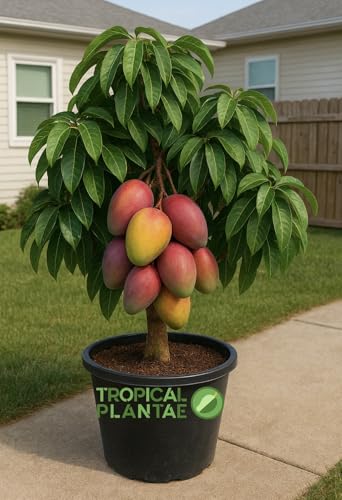
Imagine stepping into your backyard a few months from now and seeing a beautiful grafted Haden mango tree, growing stronger every day — a tree that will soon reward you with one of the most classic, flavorful mangoes ever grown.

Not available in CA
From Seed to Fruit
When starting from seed, expect longer timelines. Seeds generally take 5 to 10 years to bear fruit. Germination often occurs within 2 to 3 weeks under ideal conditions, such as warmth and moisture. After planting, allow the seedling to grow strong; it should reach a sturdy height before focusing energy on fruit production. Providing proper care during this growth stage enhances the chances of a fruitful harvest later.
Grafting vs. Seed Planting
Grafting offers a faster route to fruit production, typically within 2 to 3 years. This method involves joining a scion, or cutting from a fruit-bearing tree, with a rootstock. Grafting not only shortens the timeline but also combines desirable traits from different varieties. On the other hand, planting seeds results in greater variability in fruit quality and characteristics, as well as a longer wait. Choose grafting for quicker results or seeds for a chance to cultivate unique varieties.
Caring for Lime Trees
Caring for lime trees ensures healthy growth and increases the chances of fruit production. Focus on watering and fertilization, along with proper pruning techniques.
Watering and Fertilization
Water lime trees regularly but avoid overwatering, which can harm roots. Allow the top inch of soil to dry between watering sessions. Mulching around the base can help maintain soil moisture.
Fertilize lime trees three to four times a year using a balanced fertilizer. Look for products with an NPK ratio of 6-6-6 or similar. Apply fertilizer during the growing season, typically from early spring to late summer. Follow the manufacturer’s instructions for the right amount. Fertilization boosts tree health and encourages fruit production.
Pruning Techniques
Pruning lime trees promotes healthier growth and fruiting. Aim to prune in late winter or early spring before new growth begins. Remove dead or diseased branches first to prevent pest issues. Then, thin out crowded branches to improve airflow and sunlight penetration.
Shape the tree to maintain an open canopy, which supports even light distribution. Regularly trimming will enhance fruit quality and yield, allowing the tree to focus energy on producing fruit.
Conclusion
Growing your own lime tree can be an exciting journey filled with anticipation. While you may have to wait a few years to see those juicy limes, the care you provide can make all the difference. Remember to keep an eye on soil quality and sunlight as you nurture your tree.
With patience and the right practices, you’ll soon enjoy the fruits of your labor. Whether you choose to grow from seed or grafting, each option has its own rewards. So keep tending to your lime tree and look forward to that first delicious harvest. Happy gardening!
Frequently Asked Questions
How long does it take for a lime tree to bear fruit?
Lime trees typically bear fruit within 3 to 5 years after planting. However, the timeline can vary based on the type of lime tree, care practices, and environmental conditions.
What are the different types of lime trees suitable for home gardening?
Common lime tree varieties for home gardening include Persian, Key, Kaffir, and Calamondin limes. Each has unique characteristics and varying timelines for fruit production.
Can I grow limes from seeds, and how long will it take?
Yes, you can grow limes from seeds, but it usually takes 5 to 10 years for them to produce fruit. Germination occurs in 2 to 3 weeks under ideal conditions.
What is grafting, and how does it affect lime tree growth?
Grafting involves joining a scion from a fruit-bearing tree with a rootstock to speed up fruit production. This technique can lead to fruit within 2 to 3 years, improving overall growth traits.
What are the key care practices for healthy lime trees?
To ensure healthy lime trees, regular watering is essential—water when the top inch of soil is dry. Fertilize three to four times a year and prune in late winter or early spring for optimal growth.
