

Do you find yourself wondering how to best care for your cucamelon plants? Picture this: you’ve nurtured your cucamelon vine with care, but now it’s growing out of control. What should you do next? In this article, we’ll guide you through the simple yet essential process of pruning cucamelons.
Key Takeaways
- Pruning is essential for cucamelon plants to maintain vigor, promote air circulation, and prevent diseases.
- Prune cucamelons during the growing season when they are spreading uncontrollably or tangled.
- Use sharp pruning shears, gloves, and disinfectant when pruning to make clean cuts and prevent infections.
- Focus on removing dead or diseased foliage, cutting at a 45-degree angle, and training vines upward for optimal growth.
- Provide immediate care after pruning by monitoring plant stress, proper watering, and applying balanced fertilizer.
- For long-term maintenance, continue regular pruning throughout the growing season to ensure healthy growth.
Understanding Cucamelon Pruning
Pruning is a crucial aspect of caring for your cucamelon plants. By understanding the significance of pruning and knowing when to perform this task, you can ensure the health and productivity of your cucamelon vines.
Why Pruning is Essential
Pruning is essential for cucamelons as it helps maintain plant vigor, promotes better air circulation, and prevents diseases. Removing excess foliage allows sunlight to reach all parts of the plant, aiding in photosynthesis and fruit development. Additionally, pruning helps control vine growth, preventing overcrowding and ensuring that each plant has ample space to thrive.
When to Prune Cucamelons
It’s best to prune your cucamelon plants when they have grown excessively or are showing signs of overgrowth. Typically, you should prune them during the growing season when vines start spreading uncontrollably or appear tangled. Regularly inspect your plants for any dead or diseased foliage and trim them accordingly to encourage new growth and maintain plant health.
Tools and Preparation
When it comes to pruning your cucamelon plants, having the right tools and preparing your plant correctly are essential for successful maintenance. Here’s what you need to know:
Recommended Products

ULTRA SHARP - Much less effort to cut branches with our pruning shears. Crafted from premium SK5 steel with titanium coating, our garden scissors and garden clippers boast exceptional durability and sharpness. A perfect pruning shears for gardening and a must-have garden tool, hedge clippers pruners for gardening

【ANTI-SLIP HANDLE DESIGN】: The two-color anti-slip handle of the fruit pruning shears is ergonomically designed made of high purity PP+TRP secondary injection molding. Garden Pruning Shears handle is comfortable to grip and save energy. Garden shears has strong toughness and strength, which provides a strong grip and toughness for long-term use.

Swiss Precision Engineering – Crafted in Switzerland for exceptional cutting performance trusted by professionals and home gardeners alike.
Choosing the Right Tools
To prune your cucamelon plants effectively, you’ll need a few basic tools. These include:
- Pruning Shears: Opt for sharp, clean pruning shears to make precise cuts without damaging the plant.
- Gloves: Protect your hands with gardening gloves to avoid any scratches or irritation while working with the plants.
- Disinfectant: Keep a disinfectant handy to sterilize your tools between cuts, especially when dealing with diseased foliage.
Preparing the Plant for Pruning
Before you start pruning your cucamelon plants, take these steps to prepare them for the process:
- Inspect Your Plants: Check your plants carefully for any signs of disease or damage that may require attention during pruning.
- Choose the Right Time: Prune your cucamelons during their growing season when they are actively developing but not too late in the season that it affects fruit production.
- Clear Workspace: Ensure you have enough space around the plant to work comfortably and access all parts that need pruning.
By choosing the appropriate tools and adequately preparing your cucamelon plants, you set yourself up for successful pruning sessions that will benefit plant health and growth.
Step-by-Step Guide to Pruning Cucamelons
Pruning cucamelon plants is essential for their overall health and productivity. Here’s a simple guide to help you effectively prune your cucamelons.
Recommended Products

HEAVY DUTY CUTTING POWER: Bypass pruning design cuts live stems and branches up to 1" in diameter, making these hand pruners rugged and ideal for demanding garden tasks that require strength and clean, controlled cuts
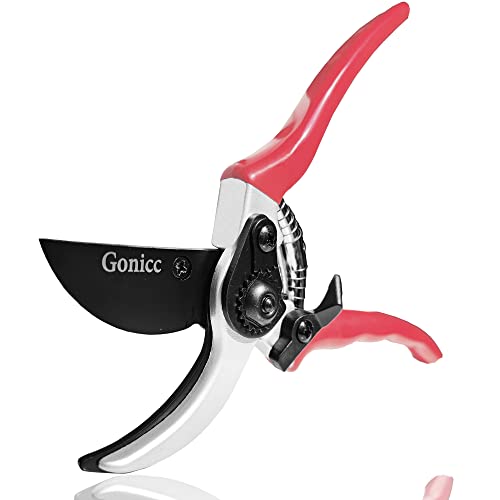
Drop forged body and handles, quality blade made of high carbon steel with Ultra-fine Polishing Technology.
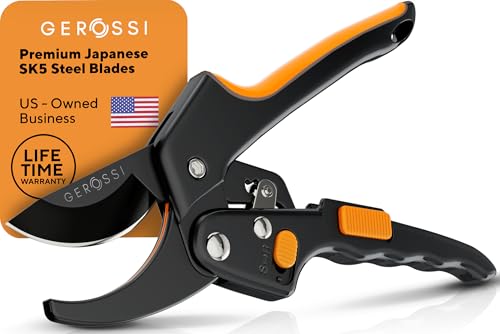
GARDEN SHEARS PRUNING - 2-in-1 Innovative Design. Our model stands out with its unique design, offering two distinct working modes – the traditional Single-Cut for everyday pruning tasks and an advanced Ratchet-Cut with a 3-step mechanism for dealing with thicker branches.
Identifying Which Parts to Prune
When pruning cucamelons, focus on removing any dead or diseased foliage. Look for yellowing leaves, wilted stems, or signs of pests. Trim these parts carefully to prevent the spread of diseases and ensure the plant’s energy is directed towards healthy growth.
- Use Sharp Tools: Invest in a good pair of pruning shears to make clean cuts without damaging the plant.
- Cut at a 45-Degree Angle: When removing branches or stems, cut at a 45-degree angle to promote healing and reduce the risk of water collecting on the cut surface.
- Prune Regularly: Check your cucamelon plants weekly during the growing season for any pruning needs. This regular maintenance will keep your plants healthy and productive.
- Focus on Overcrowded Areas: Remove excess vines or branches that are overcrowding other parts of the plant. This opens up space for better air circulation and sunlight exposure.
- Train Vines Upward: Encourage vertical growth by training vines upwards instead of letting them sprawl on the ground. This helps optimize space and promotes healthier growth.
Aftercare and Maintenance
Once you have pruned your cucamelon plants, it’s essential to provide them with proper care to ensure their continued health and productivity. Here are some tips for aftercare and long-term maintenance:
Recommended Products

Natural bamboo trellis: Made from natural and renewable materials, bamboo is fumigated twice to ensure strong quality and durability. Our garden trellis is hand-picked and hand-made to ensure the premium quality, it is very sturdy and flexible to be used in the garden for several seasons

Package included : The height of bamboo trellis is 16 inch, each package includes 3pcs trellis. Three shapes are available for you to choose from
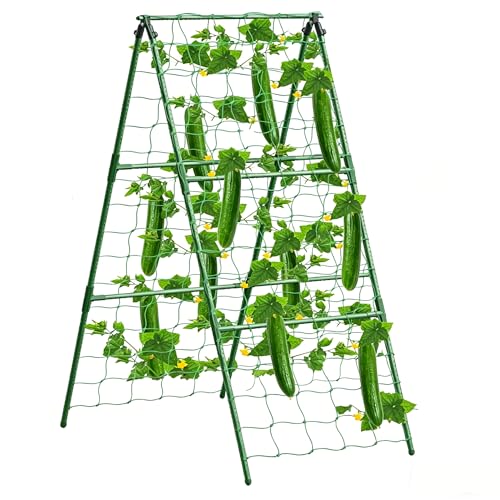
【Package included】:This Trellis for Climbing Plants Outdoor comes complete with everything you need to get started: 17pcs metal stakes, 8pcs T shape connect pipe, 2 A-shaped connectors, and a 0.9x1.8meter plant net.
Immediate Care After Pruning
After pruning your cucamelon plants, it’s crucial to monitor them closely for any signs of stress or disease. Ensure the plants are adequately watered but not overwatered, as this can lead to root rot. Additionally, consider applying a balanced fertilizer to support new growth and help the plants recover from pruning stress.
Long-Term Maintenance Tips
To maintain healthy cucamelon plants in the long run, continue regular pruning throughout the growing season. Monitor the vines for overcrowding and remove any excess growth to promote better air circulation and sunlight exposure. Consider training the vines upward onto a trellis or support structure to prevent them from sprawling on the ground.
By following these immediate care and long-term maintenance tips, you can help your cucamelon plants thrive and produce an abundant harvest.
Conclusion
You’ve learned the essential techniques for pruning your cucamelon plants to promote their health and productivity. By removing dead or diseased foliage, using sharp tools, and focusing on overcrowded areas, you’re setting your plants up for success. Remember to train the vines upward for better air circulation and sunlight exposure. After pruning, don’t forget to provide immediate care like monitoring stress levels and ensuring proper watering and fertilization. Long-term maintenance involves regular pruning, keeping an eye out for overcrowding, and training vines onto supports. With these steps in mind, your cucamelon plants will flourish and reward you with a bountiful harvest. Happy gardening!
Frequently Asked Questions
Why is pruning important for cucamelon plants?
Pruning is crucial for cucamelon plants to remove dead or diseased foliage, promote growth, improve air circulation, and increase sunlight exposure.
What tools should I use for pruning cucamelon plants?
Use sharp tools like pruning shears to make clean cuts without damaging the plant.
How should I cut when pruning cucamelon plants?
Cut at a 45-degree angle to ensure proper healing and prevent water from accumulating on the wounds.
When should I prune my cucamelon plants?
Prune regularly during the growing season to maintain plant health and productivity.
What care should be provided after pruning cucamelon plants?
After pruning, monitor for stress or disease, provide proper watering, and balanced fertilization for optimal growth.
