

Have you ever wondered when those delicious bananas start to appear on the trees? If you’ve got a banana plant in your backyard or are just curious, knowing the right month can make all the difference in your gardening success.
Key Takeaways
- Banana trees generally start fruiting 9 to 12 months after planting, influenced by factors like temperature and soil quality.
- Ideal growing conditions include warm temperatures (75°F to 95°F), full sun exposure, and well-draining, nutrient-rich soil with a pH of 5.5 to 7.
- Optimal watering requires consistent moisture without waterlogging, averaging about 1 to 2 inches of water weekly.
- Fertilization with potassium-rich fertilizers every 4 to 6 weeks supports healthy growth and fruit production.
- Harvest bananas when they are at least 75% yellow for the best quality and flavor, using sharp tools to prevent damage.
- Common challenges include weather impacts, water management, soil quality, pest control, and nutrient deficiencies, all of which need addressing for successful fruiting.
Overview Of Banana Trees
Banana trees are tropical plants known for their lush green leaves and large, sweet fruit. Understanding their types and growth cycle helps you cultivate them effectively.
Types Of Banana Trees
- Dessert Bananas: Commonly found in grocery stores, these include Cavendish bananas. They’re sweet, eaten raw, and typically have a smooth texture.
- Plantains: These are starchier and less sweet than dessert bananas. Used in cooking, they must be cooked before consumption and can be fried, baked, or boiled.
- Red Bananas: Slightly sweeter and softer than yellow bananas, red bananas have a reddish-purple skin. They taste great in fruit salads or smoothies.
- Burro Bananas: These have a unique flavor profile, being tangy and creamy. Their thicker skin and shorter size make them ideal for cooking or baking.
- Planting: You start with a rhizome or sucker, which directly affects growth speed.
- Vegetative Growth: For 6 to 8 months, the plant develops large leaves, gathering energy and nutrients.
- Flowering: After adequate growth, banana trees blossom. This occurs about 3 to 4 months after reaching maturity, often in warm months.
- Fruiting: Following flowering, bananas form. It takes another 3 to 4 months for the fruit to mature. You can expect harvests throughout the year in ideal conditions.
What Month Do Banana Trees Fruit?
Banana trees typically start fruiting about 9 to 12 months after planting. The exact month can vary based on several factors, including the type of banana and growing conditions.
Factors Influencing Fruiting Times
- Temperature: Banana trees thrive in warm, tropical climates. Ideal temperatures range from 75°F to 95°F (24°C to 35°C). If temperatures drop below 50°F (10°C), growth slows, delaying fruiting.
- Water Availability: Adequate rainfall or irrigation supports growth. Around 4 to 6 inches (10 to 15 cm) of water per month is optimal. Insufficient moisture retards fruit development.
- Soil Quality: Well-draining, nutrient-rich soil encourages strong growth. Soil pH between 5.5 and 7 is best. Poor soil conditions can extend the time to fruiting.
- Fertilization: Regular feeding with potassium-rich fertilizers promotes healthy growth and fruit production. Nutrient deficiencies can delay fruiting.
- Tropical Regions: Areas like Southeast Asia and parts of South America enjoy year-round growing seasons. Here, bananas can fruit any month, with multiple harvests per year.
- Subtropical Regions: Areas like Southern California and Florida typically see bananas fruiting from late spring to early fall. This can range from May to October, depending on individual weather conditions.
- Temperate Regions: In regions with distinct seasons, bananas may only fruit during the warmer months, generally late summer to early fall, from August to September.
Understanding the influences on banana fruiting can help in planning your gardening efforts for a bountiful harvest.
Care Tips For Banana Trees
Caring for banana trees helps ensure productive fruiting. Focus on the following tips to foster healthy growth and abundant harvests.
Recommended Products

PREMIUM FUEL LIQUID FERTILIZER: Wellspring Gardens Banana Fuel Liquid Fertilizer Concentrate provides a quality nutrient blend with minor elements that could grow your plants. Its 3-1-6 formula ratio is the ideal fertilizer ration according to University of Florida which is what our product is made of.
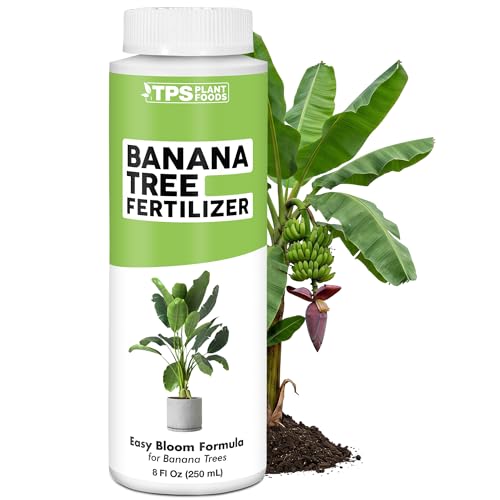
Made for Banana Trees – Specially formulated banana fertilizer designed to support the nutrient needs of banana plants.
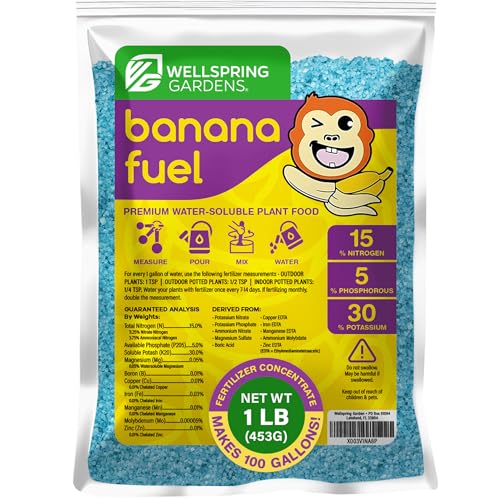
PREMIUM WATER SOLUBLE FERTILIZER: Wellspring Gardens Banana Fuel Fertilizer provides a water-soluble and high-quality nutrient blend with minor elements to promote optimal growth for your banana plants. Its premium 15-5-30 blend ensures that your banana plants are healthy and happy.
Optimal Growing Conditions
Banana trees thrive in warm, humid environments. Aim for temperatures between 75°F and 95°F.
- Sunlight: Position your banana tree in a location that receives full sun for at least 6 to 8 hours daily.
- Soil: Use nutrient-rich, well-draining soil with a pH level of 5.5 to 7.0.
- Water: Provide consistent moisture without waterlogging. Water deeply once or twice weekly during dry periods.
- Fertilization: Apply a balanced fertilizer every 4 to 6 weeks. Choose a fertilizer high in potassium to promote fruit development.
Harvesting Techniques
Proper harvesting techniques contribute to maximizing yields. Follow these steps for the best results.
- Timing: Wait until the bananas are at least 75% yellow before cutting. Monitor the size of the bananas; they should be plump.
- Tools: Use a sharp knife or pruning shears to cut the bunch from the plant.
- Technique: Cut the bunch on a diagonal to prevent water from collecting on the cut surface.
- Handling: Support the bunch while cutting to avoid bruising. Handle with care during transport to preserve fruit quality.
By following these care tips, you can nurture your banana trees for optimal growth and fruitful harvests.
Common Challenges In Fruiting
Fruiting banana trees involves overcoming several challenges that can affect yield and timing. Understanding these hurdles can enhance your gardening experience.
Recommended Products

[HIGH POTASSIUM FORMULA]: Concentrated potash fertilizer provides essential potassium for plant nutrition, supporting root strength water regulation and overall plant function in lawn care garden soil and crop production

2X MORE VALUE: The 16 oz bottle of Banana Plant Fertilizer makes 16 gallons of banana fertilizer for fruit trees, while the bigger size 32 oz bottle makes 32 gallons for lasting care of your banana trees.

PREMIUM QUALITY INGREDIENTS – Cz Garden Muriate of Potash is a water soluble, high purity, premium phosphate fertilizer for all indoor/outdoor flowers, lawn, and garden vegetables.
Weather Conditions
Weather plays a significant role in banana fruiting. High humidity and consistent warmth are crucial. Cold temperatures below 32°F can damage plants, delaying fruit production. Protect your banana trees from cold spells by covering them or moving pots indoors.
Water Management
Watering banana trees requires a balanced approach. Too much or too little water can hinder fruiting. Soil should remain consistently moist but not waterlogged. Aim for about 1 to 2 inches of water weekly. Use mulch to retain soil moisture and regulate temperature.
Soil Quality
Soil quality impacts growth and fruit development. Well-draining, nutrient-rich soil fosters healthy banana trees. Test soil pH, aiming for a range of 5.5 to 7.0. Add organic matter like compost to improve soil structure and fertility.
Pest and Disease Management
Pests and diseases can weaken banana plants and affect fruiting. Common pests include aphids and spider mites. Use insecticidal soap to manage infestations. Fungal diseases like black sigatoka can cause leaf spotting. Apply fungicides as needed and ensure proper air circulation around the plants.
Nutrient Deficiencies
Nutrient deficiencies can impair fruiting. Bananas need adequate potassium for optimal growth and fruiting. Choose a fertilizer with a higher potassium ratio, such as 8-10-10. Fertilize every 4 to 6 weeks during the growing season for best results.
Harvest Timing
Harvest timing directly influences fruit quality. Bananas typically change from green to yellow when ripe. Monitor bananas and harvest when at least 75% yellow. Use a sharp knife for clean cuts to minimize damage.
By addressing these common challenges, you can enhance your banana tree’s fruiting potential and enjoy a bountiful harvest.
Conclusion
Growing banana trees can be a rewarding experience filled with the promise of delicious fruit. With the right care and conditions you can enjoy a fruitful harvest year-round or during specific seasons depending on your location.
By understanding the growth cycle and the factors that influence fruiting you’ll be better equipped to nurture your banana plants. Remember to keep an eye on the weather soil quality and watering practices to maximize your chances of success.
With a little patience and attention your banana trees can thrive and provide you with tasty bananas to enjoy. Happy gardening!
Frequently Asked Questions
When do banana plants start producing fruit?
Banana plants typically begin to produce fruit around 9 to 12 months after planting. This timeline may vary depending on the type of banana, growing conditions, and care provided.
What types of banana trees are there?
There are several types of banana trees, including dessert varieties like Cavendish, cooking types such as plantains, and unique varieties like red and Burro bananas. Each has its own flavor and use.
What factors influence the fruiting timeline of banana trees?
Key factors affecting banana fruiting include temperature, water availability, soil quality, and fertilization. Ideal conditions can help optimize the timeline for fruit production.
How can I care for my banana tree to ensure good fruiting?
To promote good fruiting, provide warm, humid conditions (75°F to 95°F), ensure at least 6 to 8 hours of sunlight daily, and maintain well-draining, nutrient-rich soil with consistent moisture and regular fertilization.
What are some common challenges in growing banana trees?
Common challenges include weather fluctuations, water management, pest and disease issues, and nutrient deficiencies. Addressing these factors can enhance your banana tree’s chances of producing fruit.
How should I harvest bananas for the best quality?
Harvest bananas when they are at least 75% yellow. Use sharp tools to cut the fruit while handling them carefully to avoid bruising, ensuring they maintain their quality.
Can banana plants fruit all year round?
Yes, in tropical regions, banana plants can produce fruit year-round. However, in subtropical and temperate areas, their fruiting seasons may be more limited due to temperature and other environmental factors.
