

Have you ever wondered how to maximize the space in your garden while growing delicious fruit trees? It’s a common dilemma for many gardening enthusiasts. Planting trees too close together can lead to poor growth and lower fruit yields, while spacing them too far apart may waste valuable garden real estate.
Key Takeaways
- Proper spacing between fruit trees is essential for their healthy growth and optimal fruit production, preventing overcrowding and competition for resources.
- Different tree varieties require different planting distances, with standard trees needing 15 to 30 feet, while dwarf varieties can be spaced 8 to 10 feet apart.
- Key factors influencing spacing include the tree’s root system, mature size, and growth habit, which determine their spatial needs.
- Regular maintenance, including pruning, and ensuring adequate sunlight and air circulation will further enhance tree health and fruit yield.
- Soil quality, drainage, and pH levels are crucial for successful fruit tree growth; aim for well-draining, loamy soil with a pH of 6.0 to 7.0.
Understanding Fruit Tree Spacing
Proper spacing is crucial when planting fruit trees. This practice ensures healthy growth and optimal fruit production. Too little space can stifle development, while too much space can waste valuable garden area.
Importance of Proper Spacing
Proper spacing allows sunlight to reach all parts of the tree. Each tree needs adequate air circulation to reduce the risk of disease. Spacing also prevents overcrowding, which leads to competition for nutrients and water. For example, apple trees typically require 15 to 20 feet apart, ensuring they thrive and produce abundant fruit.
Factors Influencing Spacing Requirements
Spacing requirements depend on several key factors:
- Tree Variety: Different types of trees have unique growth habits. Dwarf varieties need less space, usually around 8 to 10 feet apart, while standard trees often require 20 to 30 feet.
- Root System: Trees with expansive root systems need more space. Consider how the roots will spread when determining planting distances.
- Mature Size: Anticipating the mature size of the tree is essential. Research the average height and width to determine the ideal distance.
- Growth Habit: Trees like peaches and plums may need more distance due to their larger, denser canopies compared to narrower trees like cherries.
- Garden Layout: Plan your garden layout based on space availability and access for maintenance. Ensure paths between trees for easy harvesting and care.
By considering these factors, you can create a well-spaced orchard that encourages healthy growth and fruitfulness.
Common Fruit Trees and Their Spacing Needs
Proper spacing is crucial for successful fruit tree growth. Different tree varieties have unique spacing requirements based on their size and characteristics.
Recommended Products

Product Quantity: 180+ premium bonsai fruit seeds across 5 varieties; Individual packs contain 40+ apple, 40+ lemon, 40+ orange, 20+ blueberry, and 40+ cherry seeds; Perfect for starting a diverse miniature orchard

4 kinds of the most popular fruits, individually packaged, 50pcs Lemon seeds 50pcs Cherry seeds 50pcs Orange seeds 50pcs Apple seeds Fresh seeds, all fruit seeds are packed in tear and moisture resistant zipper sealed bags for your long term storage.

Package: 5 Individual Packs, 40+ Lemon Tree Seeds 40+ Cherry Tree Seeds 40+ Orange Tree Seeds 40+ Apple Seeds 20+ Blueberry Seeds
Apple Trees
Apple trees typically need 15 to 20 feet of space between them. This distance allows each tree to receive adequate sunlight and promotes healthy root development. Dwarf apple varieties require less space, about 8 to 10 feet apart. Consider the tree variety when planning your orchard layout for optimal growth and fruit production.
Peach Trees
Peach trees should be spaced 15 to 20 feet apart as well. This spacing ensures good air circulation and reduces the risk of fungal diseases. Dwarf peach varieties can be planted closer together, approximately 8 to 10 feet apart. Knowing the specific variety helps maintain a healthy environment for fruiting.
Citrus Trees
Citrus trees, like orange and lemon, thrive with 10 to 20 feet of spacing. Standard citrus trees benefit from the maximum distance of 20 feet, allowing for full sun exposure and air movement. Dwarf citrus varieties, however, can be planted as close as 8 to 10 feet apart. Always consider the mature size before planting to promote healthy growth and fruit yield.
General Guidelines for Planting Distance
Proper planting distance is essential for ensuring that fruit trees thrive and produce fruit effectively. This spacing allows for adequate sunlight, air circulation, and room for roots to grow without competition. Below are specific guidelines for different types of trees.
Recommended Products
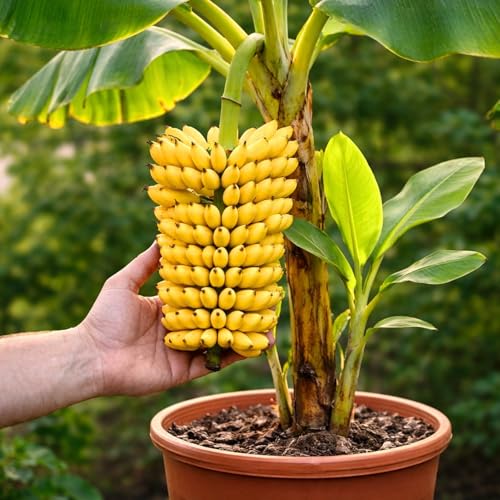
🍌 Premium Banana Seeds: High-quality banana seeds selected for planting and growing healthy tropical banana plants.
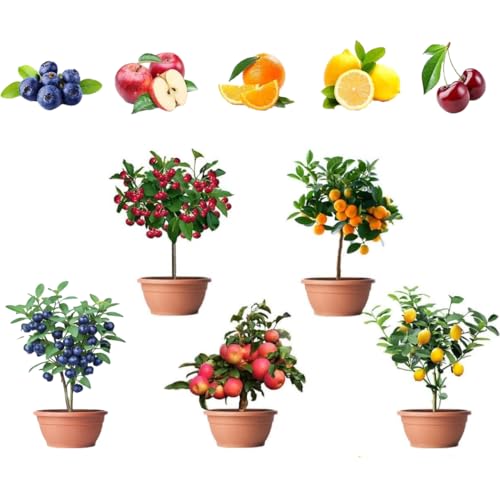
Variety Pack of 5 Fruits: Includes 40 Lemon seeds, 40 Orange seeds, 40 Apple seeds, 20 Cherry seeds, and 20 Blueberry seeds for a colorful and diverse home garden

4 FRUIT VARIETIES – 100 SEEDS TOTAL: Includes 30 Apple Seeds, 30 Lemon Seeds, 30 Cherry Seeds, and 10 Banana Seeds, individually separated by variety for an exciting fruit-growing collection.
Recommended Spacing for Small Trees
Small trees, such as dwarf and semi-dwarf varieties, require less space. Aim for 8 to 10 feet between these trees. This tight spacing maximizes the use of garden space while still enabling healthy growth. For example:
- Dwarf Apple Trees: Space them 8 feet apart. Each tree has compact growth, making it ideal for smaller yards.
- Dwarf Citrus Trees: Keep a distance of around 8 feet. They typically won’t overshadow each other, allowing for better fruit production.
Recommended Spacing for Large Trees
Large fruit trees need more room to spread their branches and roots. Provide a distance of 15 to 20 feet for these trees to flourish. Consider the following examples:
- Standard Apple Trees: Position them 15 to 20 feet apart. This spacing ensures adequate sunlight and airflow, enhancing growth and fruit quality.
- Peach Trees: Also require 15 to 20 feet. This space helps prevent diseases often caused by overcrowding.
By adhering to these recommended spacings, you set your fruit trees up for successful growth and fruitful yields.
Considerations for Maximizing Growth
To ensure optimal growth for your fruit trees, consider soil conditions and sunlight exposure. These factors significantly impact tree health and fruit production.
Recommended Products

Comprehensive Soil Analysis: Liquid soil test kits offer a comprehensive analysis of essential soil parameters, including pH, ammonia, nitrogen, phosphorus, and potassium. Having all these measurements in one kit provides a holistic understanding of the soil's fertility and health.

Quick, at home results for Soil pH, Nitrogen, Phosphorous and Potash Innovative and inexpensive soil test kit features an easy-to-use capsule system and patented color comparators

Kindly NOTE: This soil tester can not be applied to test pH value of any other liquid. If the soil is too dry the indicator will not move, and water it before testing.
Soil Type and Quality
Soil type influences root development and overall tree vigor. Choose well-draining, loamy soil with organic matter for the best results. Sandy loam provides good drainage, while clay retains moisture. Conduct a soil test to assess pH and nutrient levels.
- Amendments: Incorporate compost or aged manure to improve soil quality and provide essential nutrients.
- Drainage: Ensure drainage to prevent root rot; avoid heavy clay soils that can trap water.
- pH Levels: Aim for a pH between 6.0 and 7.0 for most fruit trees. Adjust with lime to increase pH or sulfur to lower it, if necessary.
Sunlight and Airflow
Sunlight and airflow are critical for healthy fruit trees. Trees require at least six hours of direct sunlight daily to thrive. Adequate airflow reduces humidity around the trees, minimizing disease risk.
- Sun Exposure: Plant trees in an open area away from shadows cast by buildings or larger trees. Adjust spacing to ensure that branches don’t block sunlight.
- Spacing for Airflow: Space trees appropriately based on their mature size. This allows air to circulate freely, promoting healthier growth.
- Pruning: Regularly prune trees to maintain shape and improve airflow between branches, enhancing sunlight penetration.
By paying attention to soil quality and sunlight exposure, you create the ideal environment for your fruit trees, maximizing their growth and fruit yield.
Conclusion
Getting the spacing right for your fruit trees is key to a fruitful garden. By ensuring each tree has enough room to grow you’re setting the stage for healthy plants and bountiful harvests. Remember to consider the specific needs of each variety and your garden layout.
With the right distance between trees you’ll promote better sunlight exposure and airflow which helps keep diseases at bay. So whether you’re planting dwarf varieties or larger trees take the time to plan your orchard carefully. Your future fruit-filled success depends on it. Happy planting!
Frequently Asked Questions
What is the importance of proper spacing for fruit trees?
Proper spacing allows for adequate sunlight and airflow, which are critical for healthy growth and optimal fruit production. If trees are planted too closely, their growth can be hindered, leading to reduced fruit yield.
How far apart should apple trees be planted?
Apple trees typically need to be spaced 15 to 20 feet apart. This distance ensures that each tree receives enough sunlight and air circulation for healthy growth.
What are the spacing requirements for dwarf fruit trees?
Dwarf fruit trees should be planted 8 to 10 feet apart. This closer spacing maximizes garden space while still allowing for healthy tree development.
How does soil condition affect fruit tree growth?
Well-draining, loamy soil enriched with organic matter is essential for optimal root development. Conducting a soil test can help determine pH and nutrient levels for best results.
How much sunlight do fruit trees need to thrive?
Fruit trees require at least six hours of direct sunlight daily for healthy growth. Adequate sunlight promotes vigorous growth and abundant fruit production.
What factors influence the spacing needs of fruit trees?
Spacing needs depend on the tree variety, root system, mature size, growth habit, and garden layout. Each of these factors plays a significant role in determining the optimal distance for planting.
Can I plant citrus trees closely together?
Citrus trees need 10 to 20 feet of spacing for standard varieties, while dwarf citrus can be planted closer at 8 to 10 feet. Proper spacing ensures that each tree gets enough sunlight and nutrients.
How does pruning help with fruit tree growth?
Regular pruning enhances sunlight penetration and improves airflow around the tree. This practice not only promotes healthy growth but also reduces the risk of diseases in fruit trees.
