

Have you ever wondered how long it takes for a walnut tree to start producing those delicious nuts? If you’ve planted one or are thinking about it, you’re not alone. Many people dream of enjoying homegrown walnuts, but the wait can feel like an eternity.
Key Takeaways
- Timeframe for Bearing Fruit: Walnut trees typically start producing nuts between 4 to 7 years after planting, with English walnuts maturing earlier than black walnuts.
- Growing Conditions: Optimal growth is dependent on well-drained, fertile soil, at least 6 hours of daily sunlight, and consistent watering, especially in the first few years.
- Regular Maintenance: Implementing regular pruning, fertilization with a balanced fertilizer, and pest management are essential for promoting overall tree health and nut production.
- Varietal Differences: Choose the right walnut variety based on your climate; English walnuts can bear fruit in 4 to 6 years, while black walnuts may take 6 to 10 years.
- Mature Tree Production: Mature walnut trees typically yield significantly more nuts, peaking around 15 to 20 years of age, with proper care vital for maximum production.
- Encouragement of Growth: To accelerate fruit production, ensure adequate sunlight, water, proper fertilization, and effective pest control to create a thriving environment.
Understanding Walnut Trees
Walnut trees belong to the Juglandaceae family and come in two main types: English walnuts (Juglans regia) and black walnuts (Juglans nigra). You might notice these trees grow tall, often reaching heights between 50 to 100 feet. They thrive in a variety of soils but prefer well-drained, deep, and fertile conditions.
Growth Stages
- Seedling Stage: Walnut trees start as seeds and typically germinate within 2 to 6 weeks. New seedlings require careful monitoring to ensure they get enough sunlight and moisture.
- Juvenile Phase: After about 2 to 3 years, the tree enters the juvenile phase, focusing on growth rather than fruit production. During this phase, you’ll see significant height and leaf development.
- Mature Phase: You’ll see your walnut tree begin to bear fruit between 4 to 7 years after planting, depending on the variety and environmental conditions. English walnuts generally produce earlier than black walnuts.
Ideal Conditions for Growth
- Sunlight: Walnut trees flourish in full sunlight, needing at least 6 hours of direct sun daily.
- Soil: Well-drained soil with good fertility promotes optimal growth. Avoid overly compacted or waterlogged areas.
- Watering: Regular watering during dry spells encourages healthy development, especially in younger trees.
Common Pests and Diseases
Be on the lookout for pests like walnut aphids and husk flies. These pests can affect nut quality. Diseases such as walnut blight can also impact tree health. Utilize integrated pest management techniques to address these issues without harsh chemicals.
- Pruning: Regular pruning helps maintain tree structure and health. Best practices include removing dead or crossing branches in late winter.
- Fertilization: Applying a balanced fertilizer in early spring will support growth and fruiting.
Understanding these aspects ensures your walnut tree thrives, leading to a fruitful harvest. The right care improves the likelihood of quick fruit production, letting you enjoy your homegrown walnuts sooner.
Factors Influencing Fruit Bearing
Several key factors influence how long it takes for walnut trees to bear fruit. Understanding these elements can help you optimize growth and fruit production.
Recommended Products

This fertilizer is blended especially for acid lovers such as rhododendrons, azaleas, camellias, hydrangeas, evergreens, blueberries, raspberries, strawberries, potatoes and other plants that need a low pH
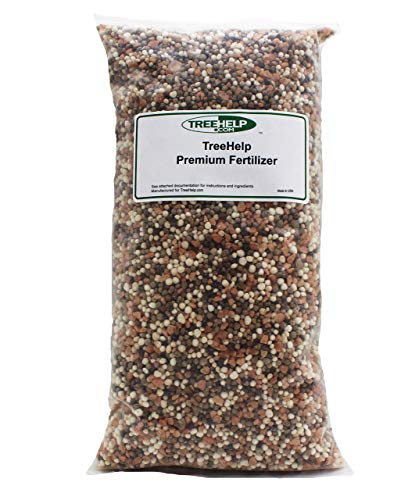
Approximately 3 Pounds
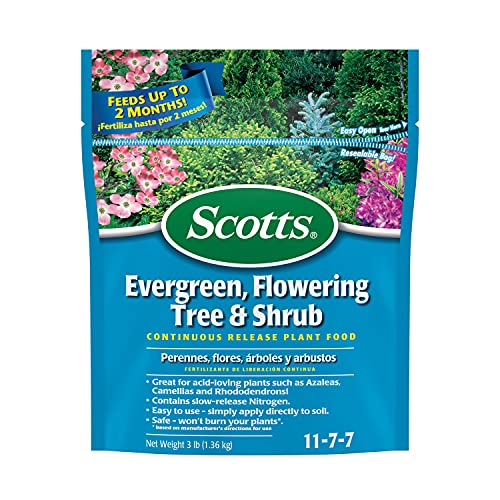
Excellent for evergreens, dogwoods, hydrangeas, magnolias and many other acid-loving trees and shrubs
Tree Variety
Tree variety significantly dictates the fruit-bearing timeline. English walnuts (Juglans regia) typically start producing nuts between 4 to 6 years after planting. Black walnuts (Juglans nigra), on the other hand, often take 6 to 10 years to reach maturity. Selecting the right variety based on your climate and land conditions can lead to quicker fruiting.
Growing Conditions
Growing conditions directly impact the fruiting process of walnut trees. Important factors include:
- Soil Quality: Well-draining, loamy soil with a pH between 6.0 and 7.5 promotes healthy root development and faster fruit arrival.
- Sunlight: Walnut trees thrive in full sunlight, requiring at least 6 hours of direct sunlight daily to maximize growth and nut production.
- Watering: Consistent moisture is crucial, especially during the first few years. Proper irrigation supports healthy tree growth and accelerates the transition to the fruit-bearing phase.
- Fertilization: Providing the right nutrients enhances growth. A balanced fertilizer applied in early spring can boost development and encourage fruiting.
By paying attention to tree variety and growing conditions, you can create an environment that fosters faster fruit production and leads to a bountiful walnut harvest.
Typical Timeframes for Bearing Fruit
Understanding when walnut trees start producing nuts helps you plan for the future. Walnut trees require different timeframes to bear fruit based on their age and variety.
Recommended Products

Package contains 9 tree and shrub fertilizer spikes and are produced to avoid wasteful runoff, mess, hazards and smells

LASTING COLOR: Miracle-Gro Tree & Shrub Plant Food Spikes are fertilizer spikes for trees and shrubs; they promote vibrant color and foliage for trees and shrubs in your yard

Package contains 5 tree and shrub fertilizer spikes and are produced to avoid wasteful runoff, mess, hazards and smells
Young Trees
Young walnut trees typically take about 4 to 7 years to bear fruit after planting. English walnuts usually come into production within the shorter range of this timeframe, around 4 to 6 years. Black walnuts, on the other hand, need more time, often ranging from 6 to 10 years. To encourage quicker fruiting in young trees, ensure they receive plenty of sunlight, water consistently, and are planted in well-draining soil. Regular fertilization also promotes healthy growth, which can lead to nut production sooner.
Mature Trees
Mature walnut trees, which are generally 7 years or older, often yield significantly more nuts, with maximum production usually reached around 15 to 20 years of age. Proper care during these years is essential. During this stage, maintaining optimal conditions can enhance production; for instance, continue providing adequate water and nutrition. Understanding how to prune mature walnut trees can help manage their health and improve fruiting. Mature trees can produce anywhere from 200 to 1,000 pounds of nuts per year, depending on the variety and care given.
Tips for Encouraging Fruit Production
To encourage fruit production on your walnut tree, focus on providing proper care and tailored maintenance practices.
Recommended Products

Supports Roots, Foliage & Structure – Helps encourage strong roots and steady plant development.

PGF Balanced 10-10-10 is a professional-grade fertilizer with extremely fine particle size for more coverage and even distribution

PREMIUM QUALITY INGREDIENTS – Cz Garden 10-10-10 is All-Purpose Fertilizer for Indoor/Outdoor Plants, Flower Gardens, Fruit and Vegetable Gardens, Holistic Herbs, Trees and Lawns!
Proper Care and Maintenance
Ensure your walnut tree receives full sunlight for at least six hours daily to promote healthy growth. Water the tree consistently, aiming for deep watering once a week during dry spells, which helps roots establish and thrive. Check soil moisture regularly; it shouldn’t remain soggy. Fertilize your tree with a balanced fertilizer in early spring to support nutrient needs. Aim for a fertilizer with a ratio of 10-10-10, applying according to package instructions and adjusting for your tree’s size. Protect your tree from pests and diseases using appropriate treatments and regular inspections, fostering a robust environment for growth.
Pruning Techniques
Implement regular pruning to shape your walnut tree and enhance fruit production. Start pruning in late winter or early spring, before new growth begins. Remove any dead, damaged, or overly crowded branches to improve air circulation and light penetration. Use sharp, clean tools to make clean cuts, reducing the risk of disease. Apply the three D’s rule: remove any branches that are dead, diseased, or damaged. Aim for an open canopy shape, allowing sunlight to reach all branches effectively. As your tree matures, consider thinning branches to encourage larger nut yields.
Conclusion
Growing your own walnut tree can be an exciting journey. While you might have to wait a few years for those delicious nuts to appear it’s all part of the process. With the right care and conditions your tree will thrive and eventually reward you with a bountiful harvest.
Remember to stay patient and enjoy watching your tree grow. Each year brings you closer to that first taste of homegrown walnuts. By following the tips for maintenance and care you’ll set yourself up for success and hopefully enjoy many nut-filled seasons ahead. Happy planting!
Frequently Asked Questions
How long does it take for walnut trees to produce nuts?
Walnut trees typically start producing nuts between 4 to 7 years after planting. The exact timeframe varies by variety; English walnuts usually begin bearing fruit in 4 to 6 years, while black walnuts may take 6 to 10 years.
What are the ideal conditions for growing walnut trees?
Walnut trees thrive in well-draining soil, receiving full sunlight for at least six hours daily. Consistent deep watering and proper fertilization in early spring are also essential for healthy growth and nut production.
How can I encourage faster nut production in walnut trees?
To promote quicker fruiting, ensure your walnut tree gets ample sunlight, consistent watering, and regular applications of a balanced fertilizer. Pruning should also be conducted regularly to maintain tree health and support higher yields.
What pests and diseases affect walnut trees?
Common pests that can harm walnut trees include aphids and walnut husk flies. Diseases such as walnut blight may also pose threats. Regular inspections and immediate treatment are crucial to maintaining tree health.
When is the best time to prune walnut trees?
The best time to prune walnut trees is in late winter or early spring, before new growth begins. This timing enhances air circulation and light penetration, leading to better nut yields and overall health.
