

Have you ever wondered how long it takes for a lime tree to bear fruit? If you’re dreaming of fresh limes right from your garden, you’re not alone. Many gardeners share the excitement of planting a lime tree, but the wait for those juicy fruits can feel endless.
Key Takeaways
- Fruiting Timeframe: Lime trees typically start producing fruit within 3 to 7 years, depending on the variety and care given.
- Variety Differences: Persian limes bear fruit in 3 to 4 years, Key limes in 4 to 6 years, and Kaffir limes may take up to 7 years.
- Optimal Growth Conditions: Lime trees require full sunlight (6-8 hours), well-draining soil with a pH of 6.0 to 7.0, consistent watering, and temperatures between 60°F to 85°F.
- Care Practices: Regular pruning, appropriate watering, balanced nutrition, and pest control are essential for healthy lime tree growth and improved fruit production.
- Harvest Indicators: Ripe limes are bright green, plump, and slightly yield under pressure. Harvesting should be done using sharp pruners to avoid damage.
- Storage Tips: Store limes at room temperature for up to a week or refrigerate for longer freshness. Juice can also be frozen for future use.
Understanding Lime Trees
Lime trees offer a delightful addition to your garden, and knowing more about them boosts your anticipation of harvesting fruit. Let’s explore the popular varieties and ideal growth conditions for lime trees.
Common Varieties of Lime Trees
- Persian Lime: This variety, also known as Bearss lime, thrives in warm environments. It’s seedless and produces large, juicy limes.
- Key Lime: Smaller than Persian limes, Key limes have a tart flavor. They’re well-suited for warm, humid conditions and often grow best in containers.
- Kaffir Lime: Known for its aromatic leaves, Kaffir limes are mostly used for their zest. This variety prefers well-drained soil and partial sunlight.
- Finger Lime: This unique type produces elongated, caviar-like fruit. Finger limes grow well in subtropical climates and require a bit more care.
Growth Conditions for Lime Trees
Lime trees flourish in specific conditions:
- Sunlight: Aim for full sunlight, ideally six to eight hours daily. This encourages healthy growth and fruit production.
- Soil: Use well-draining soil rich in organic matter. Soil pH between 6.0 and 7.0 supports optimal growth.
- Watering: Keep the soil consistently moist but not soggy. Watering once a week is a good rule of thumb, adjusting based on rainfall and temperature.
- Temperature: Lime trees prefer warm weather. A temperature range of 60°F to 85°F suits them well. Protect the trees from frost, as cold temperatures can damage or kill them.
By understanding these key aspects, you can create the perfect environment for your lime trees and look forward to a fruitful harvest in due time.
Timeframes for Fruit Production
Understanding the timeframes for fruit production in lime trees helps you set realistic expectations. Various factors influence when you’ll see those first limes.
Recommended Products
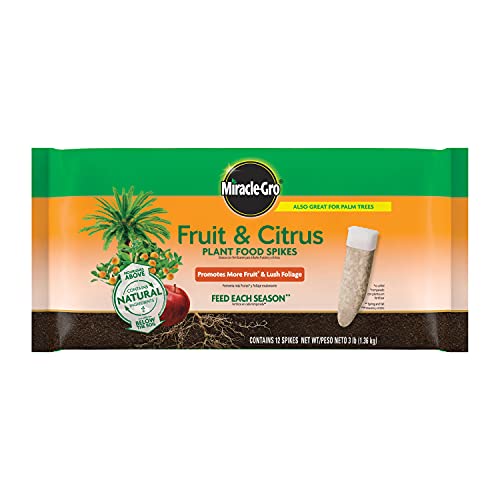
FORMULATED FOR CITRUS AND FRUIT TREES: Use these citrus fertilizer spikes on apple, orange, lemon, lime, and avocado trees; this formula is also great for feeding palm trees

Let our professionally formulated plant food help your citrus tree grow healthy, strong AND abundantly producing

Made for Lime & Citrus Trees – Formulated to support healthy growth in lime and citrus trees.
Factors Influencing Time to Fruit
- Tree Variety: Different lime tree varieties affect fruiting times. Persian limes bear fruit faster, usually within 3 to 4 years. Key limes may take 4 to 6 years, while Kaffir limes might not produce fruit for up to 7 years.
- Growing Conditions: Adequate sunlight and well-draining soil significantly impact growth rates. Lime trees thrive in full sun, which accelerates fruit production. Poor soil quality can delay it.
- Watering and Nutrition: Regular watering and proper fertilization enhance growth. Too much water can lead to root rot, while insufficient water stresses the tree. Balanced nutrients aid the tree’s health.
- Age of Tree at Planting: Younger trees take longer to produce fruit. If you plant a grafted tree, you might see fruit in 2 to 3 years, whereas seed-grown trees require more time.
Average Time to Fruiting
Lime trees typically reach fruiting maturity between 3 to 7 years. For a quick reference:
| Lime Variety | Average Time to Fruit |
|---|---|
| Persian | 3 to 4 years |
| Key | 4 to 6 years |
| Kaffir | Up to 7 years |
| Finger | 3 to 5 years |
Expect variations based on your specific growing environment and care. With the right conditions, you enjoy fresh limes sooner rather than later.
Care and Maintenance for Healthy Growth
Caring for a lime tree involves several key practices to promote healthy growth and fruit production. Focus on consistent watering, proper nutrition, and regular maintenance to ensure your lime tree thrives.
Recommended Products

Balanced Organic Nutrition – Supplies a 6‑3‑3 NPK ratio along with calcium, sulfur, iron, and zinc to foster healthy foliage, flowering, and fruit.

FOR USE ON: Use Citrus-tone organic fertilizer for all citrus trees, including lemon, lime, orange, Meyer Lemon Trees as well as for avocado & nut trees

Down To Earth Citrus Mix is a five pound box of all natural fertilizer with 6-3-3 formula and is listed by the Organic Materials Review Institute (OMRI) for use in organic production
Watering and Nutrition
Water your lime tree deeply and regularly, especially during dry spells. Once a week is often sufficient, but adjust based on rainfall and soil moisture. Aim for soil that is moist but not waterlogged. Use a well-balanced fertilizer every 4 to 6 weeks during the growing season. A fertilizer with a ratio of 6-6-6 or similar provides essential nutrients for optimal growth. Monitor leaf color; deep green indicates good health, while yellow leaves can suggest nutrient deficiencies.
Pruning and Pest Control
Prune your lime tree to encourage an open canopy, improving air circulation and sunlight penetration. Remove dead or crossing branches each spring. This practice enhances fruit production and keeps the tree healthy. Check for pests regularly, including aphids, spider mites, and scale insects. If found, treat with insecticidal soap or neem oil, following label instructions for application and timing. Keeping the environment clean and debris-free also minimizes pest problems.
Harvesting and Enjoying Your Limes
Harvesting limes is an exciting reward after years of nurturing your tree. Limes typically reach maturity when they turn a vibrant green color, clearly indicating they’re ready for picking. Most lime varieties produce fruit from late spring through early fall, depending on your climate.
Recommended Products

Precision 1.75" Curved Blade for Detailed Cutting – Needle-nose curved blade design provides exceptional control for pruning in tight spaces, making it ideal for harvesting grapes, trimming herbs, thinning fruit, and deadheading delicate flowers.
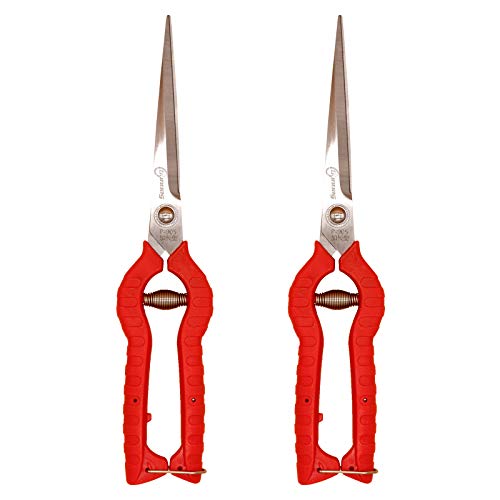
Premium Material - Made of high-quality stainless steel hardened blades, the multifunctional thin fruit scissors is more strong than other similar traditional hand pruners. After heat treatment, sharp and strong stainless steel and PPR composite handle, comfortable grip and high-grade spring lock, which is more convenient to use.

When to Harvest
- Color: Look for a bright green hue. Persian limes may have glossy skin, while Key limes appear slightly yellowish when ripe.
- Size: Aim for limes about 1 to 2 inches in diameter. They’ll be plump and feel heavy for their size.
- Firmness: Gently squeeze the fruit. Ripe limes yield slightly under pressure, indicating juiciness.
How to Harvest
- Use Sharp Pruners: Cut the limes off the tree with sharp pruning shears. This prevents damage to the fruit and tree.
- Avoid Tugging: Never pull limes from their stems. Tugging can cause harm to the branches.
- Timing Matters: Harvest limes in the morning when temperatures are cooler, ensuring peak freshness.
Storing Your Limes
- Cool and Dry: Store limes in a cool, dry place at room temperature. They can last about a week on the counter.
- Refrigeration: For longer storage, refrigerate limes. They generally last up to two weeks this way.
- Juicing: If you have an abundance, juice them. Fresh lime juice freezes well in ice cube trays for convenient use later.
Enjoying Your Limes
Incorporate limes into your diet in various ways. Here are some popular uses:
- Beverages: Add slices to water or craft refreshing cocktails like mojitos.
- Cooking: Use lime juice to enhance marinades, dressings, and desserts.
- Garnishing: Use lime wedges to garnish seafood dishes or tacos for a zesty touch.
By knowing when and how to harvest, store, and enjoy your limes, you maximize your gardening success and culinary experience. The journey from planting to savoring your homegrown limes is rewarding, highlighting the fruits of your labor.
Conclusion
Growing a lime tree can be a truly rewarding journey. While it may take a few years for your tree to produce fruit you’ll find that the anticipation only adds to the excitement. With the right care and attention you can create the perfect environment for your lime tree to thrive.
Remember that patience is key as you watch your tree grow and develop. Once those limes start appearing you’ll appreciate the effort you put in even more. Enjoy the process and look forward to the delicious limes you’ll soon be able to harvest and use in your favorite recipes. Happy gardening!
Frequently Asked Questions
How long does it take for a lime tree to bear fruit?
It typically takes between 3 to 7 years for a lime tree to start producing fruit. Persian limes can bear fruit in 3 to 4 years, Key limes in 4 to 6 years, and Kaffir limes may take up to 7 years, depending on the growing conditions.
What factors influence lime tree fruit production?
Factors such as the variety of lime tree, sunlight exposure, soil quality, watering practices, and overall nutrition significantly influence when the first fruits appear.
What are the best growing conditions for lime trees?
Lime trees thrive in well-draining soil with plenty of sunlight. They need regular watering, especially during dry periods, and a warm temperature range to grow successfully.
How often should I water my lime tree?
You should water your lime tree deeply and regularly, particularly during dry spells, to ensure it stays hydrated and healthy for optimal fruit production.
What kind of fertilizer is best for lime trees?
A well-balanced fertilizer is recommended every 4 to 6 weeks during the growing season. This supports healthy growth and fruit production in lime trees.
How can I tell when limes are ready for harvesting?
Limes are ready to harvest when they reach their ideal size, color, and firmness. Look for vibrant green skin and a slight give when squeezed.
What is the best way to store limes?
To maximize freshness, store limes in the refrigerator. You can also juice them and store the juice for versatile culinary use, ensuring you enjoy your harvest longer.
Can I use limes in cooking?
Absolutely! Limes add vibrant flavors to a variety of meals and beverages. They can be used in marinades, salad dressings, cocktails, and desserts, enhancing your culinary experience.
