

Have you ever wondered if your persimmon tree will bear fruit every year? You’re not alone. Many gardeners dream of a bountiful harvest but find themselves puzzled by the unpredictable nature of fruit-bearing trees.
Key Takeaways
- Persimmon Tree Variability: Understanding the differences between American and Asian persimmon trees is crucial; American trees bear fruit irregularly, while Asian trees produce more consistently under good conditions.
- Impact of Growth Conditions: Optimal growth conditions, including climate, soil quality, and watering practices, significantly influence fruit production in persimmon trees.
- Factors Affecting Fruiting: Key factors such as tree variety, age, climate conditions, soil quality, watering needs, and pollination methods all play a role in whether persimmon trees bear fruit each year.
- Pruning and Fertilization: Proper care techniques, such as adequate pruning in late winter or early spring and using balanced fertilizers, enhance the chances of consistent fruit production.
- Monitoring for Issues: Regularly check for pests, diseases, and environmental stressors that can affect a tree’s ability to produce fruit; prompt action can protect the tree’s health.
- Patience is Key: Expect varying harvests, especially from American persimmons; ensuring proper care and monitoring can lead to better yields over time.
Understanding Persimmon Trees
Persimmon trees vary in their fruit-bearing patterns. Knowing the specifics about these trees helps you manage your expectations for fruit production.
Types of Persimmon Trees
You’ll encounter two main types of persimmon trees: American persimmon (Diospyros virginiana) and Asian persimmon (Diospyros kaki).
- American Persimmon: This type thrives in the eastern United States. It’s often smaller and produces fruit that may have a astringent taste when unripe. The tree can bear fruit irregularly.
- Asian Persimmon: Predominantly grown in Asia, the Asian persimmon offers larger, sweeter fruit. These trees often produce fruit more consistently, especially when grown in favorable conditions.
Growth Conditions
Optimal growth conditions significantly affect fruit production. You need to consider several factors:
- Climate: Persimmon trees thrive in USDA hardiness zones 6-10. They enjoy full sun with well-draining soil.
- Soil: Aim for loamy to sandy soil with a pH between 6.0 and 7.5. Heavy clay soils can hinder growth and fruit yield.
- Watering: Regular watering is essential, especially during dry spells. However, avoid overwatering, as persimmon roots are sensitive to standing water.
- Pollination: Some persimmon varieties are self-pollinating, while others benefit from cross-pollination. If you want consistent yields, plant at least two trees.
By understanding the types of persimmon trees and their growth conditions, you can make informed choices that impact their fruit-bearing potential.
Do Persimmon Trees Bear Fruit Every Year?
Persimmon trees don’t always bear fruit every year. Several factors influence their fruit production, leading to variable harvests each season.
Recommended Products

Quick, at home results for Soil pH, Nitrogen, Phosphorous and Potash Innovative and inexpensive soil test kit features an easy-to-use capsule system and patented color comparators

Kindly NOTE: This soil tester can not be applied to test pH value of any other liquid. If the soil is too dry the indicator will not move, and water it before testing.

KNOW BEFORE YOU GROW | Grow the healthiest, sustainable lawn and garden with the most accurate and easy to use professional soil test kit on the market
Factors Affecting Fruiting
- Tree Variety: American persimmons produce smaller fruit irregularly, while Asian persimmons typically yield larger, sweeter fruit.
- Age of Tree: Young trees may take several years to bear fruit. For optimal production, wait for 3 to 5 years.
- Climate Conditions: Warm climates with well-defined seasons encourage consistent fruiting. Cold winters or unexpected frosts can reduce yields.
- Soil Quality: Well-draining, rich soil helps trees thrive. Conduct a soil test to ensure nutrient adequacy.
- Watering Needs: Consistent watering during dry spells supports healthy fruit development. Aim for one inch of water weekly.
- Pollination: Some persimmon varieties need cross-pollination to set fruit. Plant male and female trees for better fruit sets.
Expectation for Fruit Production
Expectations for fruit production can be influenced by the tree’s growing conditions. For hearty fruit yield, ensure your persimmon tree receives proper care. This includes correct watering, appropriate fertilization, and protection against pests. While Asian persimmons may produce annually under the right conditions, American ones may yield fruit every two to three years. Regularly monitor your tree’s health to gauge its productivity potential, keeping in mind that patience often leads to sweeter fruits in the long run.
Tips for Encouraging Fruit Production
To boost fruit production in persimmon trees, focus on proper care and specific practices. Incorporate the following strategies to enhance your tree’s yield.
Recommended Products

· ULTRA-SHARP SK5 STAINLESS STEEL - Engineered with premium SK5 stainless steel, these heavy duty pruning shears deliver razor-sharp precision and maximum hardness. The rust-resistant blades are designed to stay sharp longer, effortlessly resisting corrosion and sap buildup for smooth, friction-free garden shears performance year after year.

DUAL CUTTING POWER: VERSATILE PRUNING COMBO --- With both Pruning Shears and Pruning Snip, this combo delivers unmatched versatility. Whether you're delicately trimming flowers and shrubs, tackling thicker tree branches, or tending to your vegetable and fruit garden, our combo pack excels in all areas. They're also perfect for landscaping projects and maintaining the health and appearance of indoor plants. With this pack, you have a versatile tool that simplifies your gardening tasks.

Sharp & Rustproof: Our garden scissors are made of premium stainless steel material, which has corrosion resistance and good hardness. Sharp blades can quickly finish pruning tasks for gardens, vegetable gardens, orchards, and indoor plants
Pruning Techniques
- Timing: Prune during late winter or early spring before new growth begins, which promotes healthy branching.
- Remove Dead Wood: Cut away any dead or diseased branches. This helps direct energy toward fruit production.
- Thin Out Crowded Areas: Trim branches that overlap or grow too closely together. This increases air circulation and sunlight exposure.
- Shape the Tree: Create an open-center design by removing lower branches. This allows the tree to grow taller and bear fruit more effectively.
- Soil Test: Test your soil to determine nutrient levels. A balanced fertilizer tailored to soil needs enhances growth.
- Type of Fertilizer: Use a slow-release balanced fertilizer with equal parts nitrogen, phosphorus, and potassium. This promotes overall health and fruiting.
- Application Timing: Apply fertilizer in early spring, just before new growth starts. Follow up with a second application after fruit set.
- Watering After Fertilization: Water the tree well after applying fertilizer. This helps nutrients reach the roots effectively.
Implementing these techniques helps increase your persimmon tree’s chances of bearing fruit consistently.
Common Issues with Fruiting
Fruiting issues in persimmon trees can arise from a variety of factors. Understanding these challenges helps you manage expectations and improve your tree’s productivity.
Recommended Products

3-in-1 FORMULA: Aphid spray for outdoor plants for use on roses, flowers, shrubs and trees to control listed insects, disease and mites

3-IN-1 PLANT CARE: 3-In-1 Insect, Disease & Plant Mite Control provides insect control, disease control, and plant mite control all in one; Rainproof protection starts in 4 hours and lasts up to 14 days
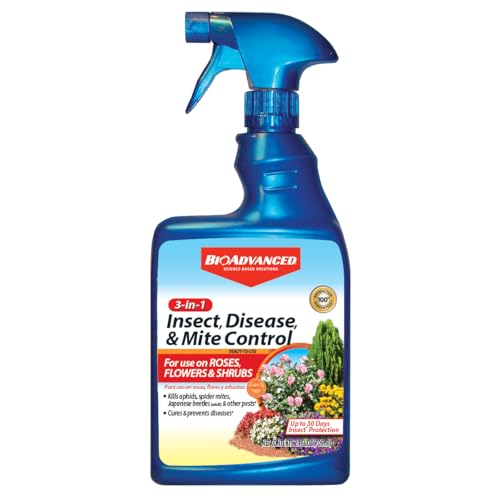
INSECT KILLER: Army worm killer. Also kills insects such as Aphids, Spider Mites, Japanese Beetles, Caterpillars, and other listed insects
Pests and Diseases
Pests and diseases may severely impact your persimmon tree’s ability to bear fruit. Common pests include aphids, spider mites, and fruit flies. They often weaken trees and lead to smaller yields. Monitor your trees regularly for signs of infestation, such as curled leaves or visible insects.
For disease control, watch for leaf spot, root rot, and blight. Leaf spot causes brown patches that can reduce photosynthesis. Root rot often leads to wilting or yellowing leaves. Use fungicides or organic treatments to manage these issues. Routine inspections and quick intervention can save trees from serious damage.
Environmental Stressors
Environmental stressors significantly affect fruiting in persimmon trees. Factors such as extreme temperatures, inadequate watering, and poor soil quality can hinder fruit development.
Ensure your trees receive sufficient water, especially during dry spells. Soil should drain well yet retain moisture. Conduct regular soil tests to assess nutrient levels. Amend the soil with organic matter or balanced fertilizers based on test results to support healthy growth.
Additionally, protect your trees from extreme weather. Mulch around the base helps regulate soil temperature and retain moisture. In cases of frost, cover the trees to prevent damage and maintain fruit production. Keeping your trees in optimal conditions encourages consistent fruit bearing.
Conclusion
Growing persimmon trees can be a rewarding experience even if they don’t bear fruit every year. Understanding the unique characteristics of the tree variety you choose and providing proper care can make a big difference in your harvest.
Keep an eye on environmental factors and be proactive about pest and disease management. With a little patience and effort you can enjoy the sweet rewards of your persimmon trees when the time is right. Remember that every season brings new opportunities for growth and fruiting. Happy gardening!
Frequently Asked Questions
What factors affect fruit production in persimmon trees?
Fruit production in persimmon trees is influenced by tree variety, age, climate, soil quality, watering, and pollination requirements. Proper care, including adequate watering and fertilization, is crucial for enhancing yields.
How often do persimmon trees bear fruit?
American persimmons typically bear fruit every two to three years, while Asian persimmons may produce annually under optimal conditions. However, many factors can affect this consistency.
What are the two main types of persimmon trees?
The two main types are the American persimmon, known for smaller, astringent fruit and irregular production, and the Asian persimmon, which produces larger, sweeter fruit with more reliable yields.
How can I encourage more fruit production in my persimmon trees?
To encourage fruit production, prune trees in late winter or early spring, remove dead wood, thin crowded branches, and ensure proper watering and fertilization. Conducting a soil test can also help.
What pests and diseases should I monitor for in persimmon trees?
Common pests include aphids and spider mites, while diseases such as leaf spot and root rot can also be problematic. Regular monitoring and appropriate treatments can help control these issues.
How does climate impact the fruiting of persimmon trees?
A well-defined seasonal climate promotes consistent fruiting in persimmons. Extreme temperatures or inadequate watering can stress the trees, leading to poor fruit development.
When is the best time to fertilize persimmon trees?
The best times to fertilize persimmon trees are in early spring and after fruit set, using a slow-release balanced fertilizer to support growth and fruit development.
Is it common for persimmon trees to not produce fruit every year?
Yes, it is common for persimmon trees, especially American varieties, to not produce fruit every year. Gardeners should maintain realistic expectations regarding their harvests.
